



What Are Fire Detection Systems? How Do They Work?
Fire detection systems are vital safety solutions that help detect signs of fire at an early stage in buildings and...
Devamını Oku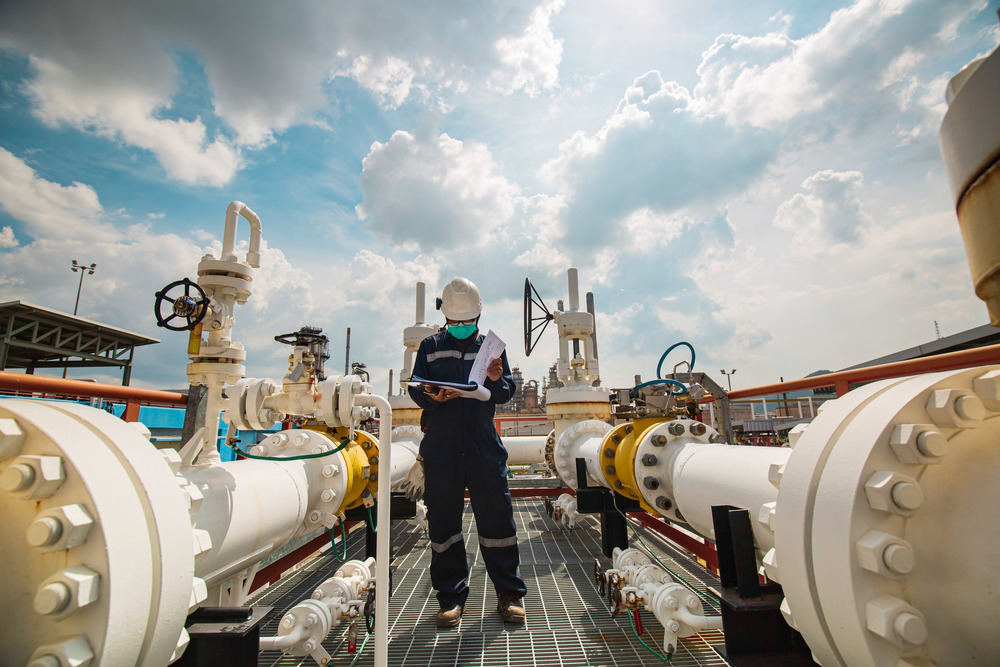

Energy infrastructure and industrial facilities consist of complex systems that must be monitored and managed continuously. Power grids, manufacturing plants, and large-scale infrastructure networks rely on reliable monitoring and control technologies to maintain operational stability. SCADA systems play a critical role in these environments by collecting operational data from field devices and enabling centralized supervision of equipment and processes.
At the core of many SCADA architectures is the Master Terminal Unit (MTU), which functions as the main control center of the system. The MTU gathers data from field devices such as RTUs, PLCs, and sensors, processes the information, and displays it on operator interfaces. Operators can monitor system conditions in real time and send control commands to field equipment when necessary. This centralized structure allows large and geographically distributed infrastructures to be managed from a single control point.
In the energy sector, MTU-based SCADA systems are widely used in electricity transmission and distribution networks. Key parameters such as voltage levels, load distribution, and equipment status can be monitored continuously. Early detection of abnormal conditions allows operators to respond quickly to potential failures, helping reduce downtime and improve grid reliability.
Industrial facilities also rely on MTU SCADA systems to monitor production lines, manage automation processes, and track energy consumption. By collecting and analyzing operational data, these systems support more efficient production management and enable better decision-making in modern manufacturing environments.
Today, MTU systems, in conjunction with advanced SCADA software platforms, offer advanced features such as data analysis, alarm management, and reporting. As of 2026, these technologies have become an integral part of digital transformation in energy and industrial automation projects.
The Master Terminal Unit (MTU) is the central control component within a SCADA architecture. It is responsible for collecting operational data from field devices such as RTUs, PLCs, and sensors and presenting this information to system operators. By processing data from multiple sources, the MTU enables operators to monitor large infrastructures from a single control center.
In a typical SCADA system, field devices collect measurements such as voltage, temperature, pressure, or equipment status. These values are transmitted through communication networks to the MTU. The MTU processes this incoming data and displays it through SCADA operator interfaces, allowing real-time monitoring of system performance.
MTU systems also allow operators to control field equipment remotely. Through the SCADA interface, commands can be sent to RTUs or PLCs to start or stop equipment, adjust operating parameters, or respond to abnormal conditions. This capability is particularly important for managing geographically distributed infrastructure.
Another important function of the MTU is alarm and event management. When collected data exceeds predefined thresholds, the system generates alerts to notify operators. Early detection of abnormal conditions helps prevent equipment damage, reduce downtime, and improve operational safety.
Modern SCADA platforms also enable MTU systems to store historical operational data. This information can later be analyzed for performance monitoring, maintenance planning, and system optimization. As industrial digitalization continues to grow, MTU systems play an increasingly important role in data-driven operations.
A Master Terminal Unit is the main supervisory component in a SCADA system. It collects data from field devices, processes it, and provides operators with a centralized interface for monitoring and control. By consolidating operational data in one location, the MTU allows complex infrastructure systems to be managed efficiently.
Through this centralized structure, operators gain a complete overview of system conditions. This improves decision-making, enables faster response to faults, and ensures more reliable operation of critical infrastructure.
While MTU and RTU operate together in SCADA systems, their responsibilities are different. The Remote Terminal Unit (RTU) is typically installed in the field and directly connected to sensors and equipment. It collects measurements and sends them to the central system.
The MTU, on the other hand, operates at the supervisory level. It processes the information received from multiple RTUs and provides monitoring and control functions through the SCADA interface. This interaction between MTU and RTU enables efficient communication between field devices and centralized control systems.
In SCADA architectures, the Master Terminal Unit (MTU) serves as the central component responsible for system supervision and coordination. It gathers data from multiple field devices such as RTUs and PLCs and consolidates this information within a single control environment. This centralized approach allows operators to monitor large infrastructures efficiently and maintain full visibility over system operations.
One of the primary roles of the MTU is real-time monitoring. Operational data transmitted from field devices is processed and displayed through SCADA interfaces, allowing operators to observe equipment status, process variables, and system performance. Continuous monitoring enables quick identification of abnormal conditions and helps prevent operational disruptions.
The MTU also plays a key role in control operations. Through the SCADA interface, operators can send commands to field equipment connected to RTUs or PLCs. These commands may involve starting or stopping equipment, adjusting operational parameters, or isolating faulty sections of the system. Remote control capabilities are particularly valuable for large-scale infrastructure such as power grids or industrial production systems.
Another important function of the MTU is alarm and event management. The system constantly evaluates incoming data and compares it with predefined thresholds. If abnormal conditions occur, alarms are generated to alert operators. This mechanism allows technical teams to respond quickly and maintain system stability.
MTU systems also support data logging and reporting. Operational data collected from the field is stored in historical databases, enabling long-term analysis of system performance. These insights can be used for maintenance planning, efficiency improvements, and operational optimization.
As SCADA technology continues to evolve, MTU systems now integrate with advanced analytics, IoT devices, and cybersecurity frameworks. In modern infrastructures, the MTU acts as the backbone of centralized monitoring and control, ensuring reliable and efficient system management.
Energy infrastructure systems cover large geographic areas and require continuous monitoring to ensure stable and reliable operation. Power generation plants, transmission lines, and distribution networks depend on real-time operational data to maintain efficiency and safety. MTU-based SCADA systems play a crucial role by collecting and processing data from various field devices across the network.
Field devices such as RTUs and sensors measure critical parameters including voltage, current, frequency, and load conditions. These measurements are transmitted through communication networks to the MTU, where they are processed and visualized for operators. With this centralized view, operators can monitor the status of the entire energy network in real time.
MTU systems also support remote control operations. Operators can send commands to field equipment such as circuit breakers or switches directly from the control center. This capability allows rapid response to faults and helps minimize downtime in electricity networks.
In addition to real-time monitoring, MTU systems support long-term data analysis. Historical data related to energy consumption, system performance, and load distribution can be analyzed to improve planning and operational efficiency. These insights help organizations optimize energy management strategies and enhance grid reliability.
Modern SCADA platforms enable MTU systems to integrate with advanced monitoring tools, predictive maintenance systems, and cybersecurity frameworks. As energy infrastructure continues to evolve toward smart grid technologies, MTU-based SCADA solutions remain essential for efficient and secure network management.
In electricity transmission and distribution networks, MTU systems collect data from substations, transformers, and field equipment. This centralized monitoring enables operators to observe voltage levels, load conditions, and equipment status across the grid.
The system also generates alarms when abnormal conditions such as overload or equipment failure occur. Early detection allows operators to take corrective actions quickly, improving reliability and reducing the risk of widespread power outages.
Energy monitoring and control centers serve as the operational hubs of large energy infrastructures. MTU systems installed in these centers gather data from multiple regions and provide a unified operational view of the network.
Operators can analyze energy flow, balance load distribution, and evaluate network performance through centralized dashboards. This capability allows energy providers to manage complex power systems efficiently while maintaining high levels of operational reliability.
Industrial facilities rely on complex automation systems to maintain efficient and reliable production processes. These environments often include numerous machines, sensors, and control units operating simultaneously. MTU-based SCADA systems provide centralized monitoring and control, enabling operators to supervise all production activities from a single control center.
Field devices such as PLCs, RTUs, and industrial sensors collect operational data from different parts of the facility. This information is transmitted to the MTU, where it is processed and displayed through SCADA interfaces. Operators can monitor equipment status, production parameters, and system performance in real time, helping ensure smooth and efficient operations.
MTU systems also allow remote control of industrial equipment. Operators can start or stop machines, adjust process parameters, or isolate faulty equipment directly from the control room. This centralized control capability is especially valuable in large manufacturing plants where equipment may be spread across multiple production areas.
Another advantage of MTU SCADA systems in industrial facilities is data analysis. Historical production and operational data can be stored and analyzed to identify performance trends, optimize maintenance schedules, and improve overall productivity. Data-driven decision-making is a key element of modern industrial automation strategies.
As industrial digitalization continues to expand, MTU systems are increasingly integrated with advanced monitoring technologies, industrial IoT platforms, and cybersecurity frameworks. These integrations enhance operational visibility and enable more efficient management of modern production environments.
Large production facilities often operate multiple production lines simultaneously. Managing these systems efficiently requires centralized monitoring and control capabilities. MTU-based SCADA systems allow operators to supervise all production processes through a unified interface.
Through centralized control, operators can monitor machine performance, detect operational issues, and respond quickly to abnormal conditions. This improves production reliability and helps minimize downtime.
In many industrial environments, production units and supporting systems are distributed across different areas of the facility. Managing these distributed systems requires continuous data communication and centralized monitoring.
MTU SCADA systems gather data from various operational units and present it in a single control environment. This unified view allows operators to monitor the entire facility more effectively and maintain better operational coordination.
MTU-based SCADA systems provide significant operational advantages for both energy infrastructure and industrial environments. By enabling centralized monitoring and control, these systems allow operators to manage complex networks and facilities more efficiently. Data collected from field devices is processed in a single control center, giving operators a comprehensive view of system performance.
One of the key advantages of MTU SCADA systems is real-time monitoring. Operators can observe equipment status, operational parameters, and network conditions continuously. This visibility allows potential issues to be identified early, reducing the likelihood of system failures and minimizing downtime.
Remote control capability is another major benefit. Operators can send commands to field equipment directly from the control center, enabling quick responses to abnormal conditions. In energy networks or large industrial facilities, this capability significantly improves operational flexibility and response time.
MTU systems also support data recording and performance analysis. Historical operational data can be stored and analyzed to identify trends, optimize system performance, and plan preventive maintenance. This data-driven approach helps organizations improve efficiency and reliability over time.
Modern SCADA platforms further enhance MTU systems by integrating advanced analytics, cybersecurity features, and industrial IoT technologies. These capabilities enable organizations to manage critical infrastructure more securely while improving operational visibility and efficiency.
When implementing an MTU-based SCADA infrastructure, careful system planning is essential. Energy networks and industrial facilities often have different operational requirements, so the SCADA architecture must be designed according to the specific needs of the infrastructure. Selecting reliable hardware, compatible communication protocols, and scalable software platforms is critical for building an efficient system.
A stable and secure communication network is one of the most important factors in SCADA infrastructure. Field devices such as RTUs, PLCs, and sensors must be able to transmit data to the MTU continuously and without interruption. For this reason, communication networks are typically designed with redundancy to ensure uninterrupted data flow and system reliability.
Cybersecurity is another critical consideration when deploying MTU SCADA systems. Energy and industrial infrastructures are considered critical systems, making them potential targets for cyber threats. Implementing strong authentication mechanisms, encrypted communication protocols, and network security policies helps protect operational data and maintain system integrity.
System integration is also an important aspect of MTU SCADA deployment. Field devices and automation equipment may come from different manufacturers and use various communication standards. The SCADA infrastructure should therefore support multiple protocols and provide flexible integration capabilities to ensure seamless communication between components.
Modern SCADA platforms allow MTU systems to be designed as scalable and flexible infrastructures. With proper planning and implementation, MTU-based SCADA systems can support long-term operational growth while improving monitoring capabilities, operational efficiency, and infrastructure reliability.
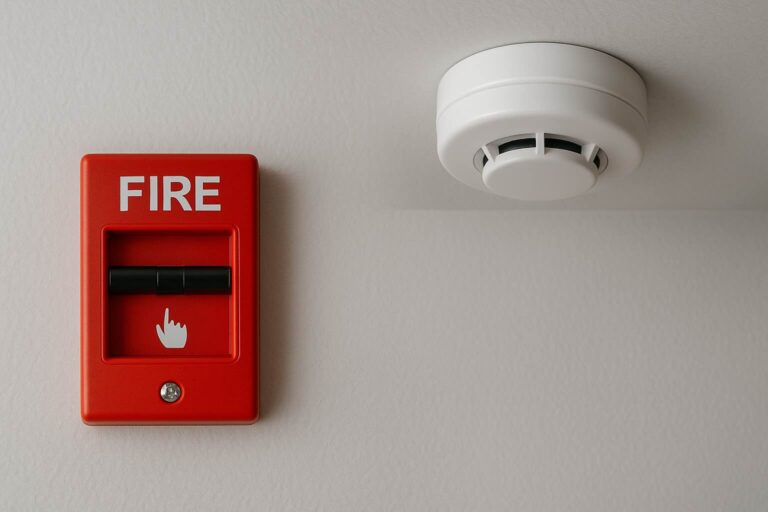
Fire detection systems are vital safety solutions that help detect signs of fire at an early stage in buildings and...
Devamını Oku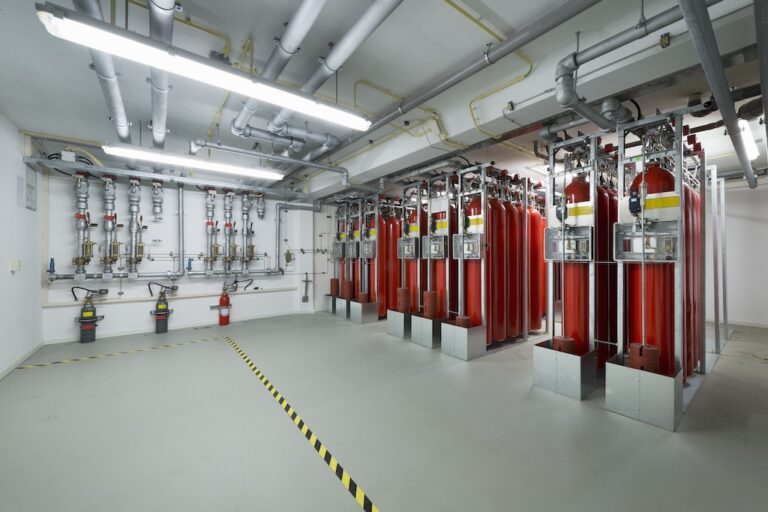
Fire suppression systems are essential safety measures designed to control and extinguish fires quickly and effectively. The FM200 fire extinguishing...
Devamını Oku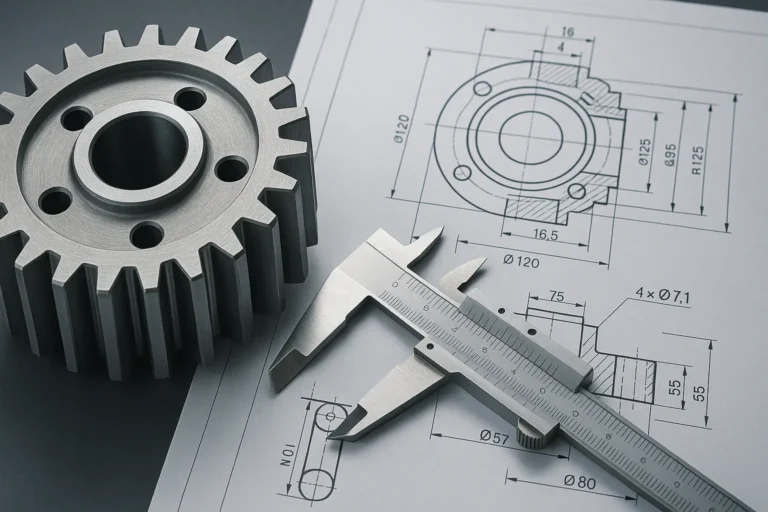
Machine design and manufacturing form the foundation of industrial engineering, transforming creative ideas into functional systems and products. This process...
Devamını OkuPROTECTION OF PERSONAL DATA
WEBSITE COOKIE POLICY
Your personal data; It is one of the leading principles of our Organization to protect the privacy of visitors to the website (www.adatech.com.tr) operated by ADATECH as the data controller. This Cookie Usage Policy (“Policy”) explains to all our website visitors and users which types of cookies are used and under what conditions.
Cookies are small text files stored on your device or network server by websites you visit on your computer or mobile device.
They are generally used to provide you with a personalized experience during your use of the website you visit, to improve the services offered and to improve your experience, and may contribute to ease of use while browsing a website. If you do not prefer the use of Cookies, you can delete or block Cookies in your browser settings. However, we would like to remind you that this may affect your use of our website. Unless you change your cookie settings in your browser, we will assume that you accept the use of cookies on this website.
1. WHAT KIND OF DATA IS PROCESSED IN COOKIES?
Cookies on websites, depending on their type, collect data about your browsing and usage preferences on the device you visit the site. This data includes information about the pages you access, the services and products you review, your preferred language option and other preferences.
2. WHAT is a solution and what are its intended uses?
Cookies are small text files that are stored on your device or network server through browsers by websites you visit. These small text files, which contain your preferred language and other settings on the site, help us remember your preferences the next time you visit the site and make improvements to our services to improve your experience on the site. Thus, you can have a better and personalized usage experience on your next visit.
The main purposes of using cookies on our Website are listed below:
3.TYPES OF COOKIES USED ON OUR WEBSITE
3.1. Oturum Çerezleri
Session cookies ensure that the website functions properly during your visit. They are used for purposes such as ensuring the security and continuity of our sites and you during your visit. Session cookies are temporary cookies, they are deleted when you close your browser and come to our site again, they are not permanent.
3.2. Persistent Cookies
These types of cookies are used to remember your preferences and are stored on your device via browsers. Persistent cookies remain stored even after you close your browser or restart your computer from which you visited our site. These cookies are kept in subfolders of your browser until they are deleted through your browser’s settings.
Some types of persistent cookies may be used to provide you with special suggestions, taking into account issues such as your purpose of using the Website.
Thanks to persistent cookies, if you visit our Website again with the same device, it is checked whether there is a cookie created by our Website on your device and if there is, it is understood that you have visited the site before and the content to be transmitted to you is determined accordingly and thus a better service is provided to you.
3.3. Mandatory/Technical Cookies
These cookies are essential for the website you visit to function properly. The purpose of such cookies is to provide necessary services by enabling the website to function. For example, it allows you to access secure parts of the website, to use its features, to navigate on it.
3.4. Analytical Cookies
They collect information about the way the website is used, the frequency and number of visits, and show how visitors navigate to the site. The purpose of using such cookies is to increase performance by improving the way the site functions and to determine the general trend direction. They do not contain data that could enable the identification of visitors. For example, they show the number of error messages displayed or the most visited pages.
3.5. Functional/Functional Cookies
It saves the choices made by the visitor within the site and remembers them on the next visit. The purpose of such cookies is to provide ease of use to visitors. For example, it prevents the site user from re-entering the user password on each page they visit.
3.6. Targeting/Advertising Cookies
They enable the measurement of the effectiveness of advertisements served to visitors and the calculation of the number of times the advertisements are viewed. The purpose of such cookies is to serve ads customized to the interests of visitors.
Likewise, they enable the detection of visitors’ interests specific to their browsing and the presentation of appropriate content. For example, it prevents the advertisement shown to the visitor from being shown again in a short time.
4. HOW TO MANAGE COOKIE PREFERENCES?
To change your preferences regarding the use of cookies or to block or delete cookies, simply change your browser settings.
Many browsers give you the option to accept or reject cookies, accept only certain types of cookies, or be alerted by the browser when a website requests to store cookies on your device so that you can control cookies.
It is also possible to delete cookies previously saved in your browser.
If you disable or refuse cookies, you may need to set some preferences manually, some features and services on the website may not function properly as we will not be able to recognize and associate your account. You can change the settings of your browser by clicking on the relevant link from the table below.
5. ENFORCEMENT OF WEBSITE PRIVACY POLICY
Website Privacy Policy …./…./…./…. . is dated. In case all or certain articles of the Policy are renewed, the effective date of the Policy will be updated. The Privacy Policy is published on the website of the Authority (www.adatech.com.tr) and made available to the relevant persons upon the request of the personal data owners.
ADATECH
Address: Esenyalı Neighborhood Yanyol Street Varyap Plaza No:61-148 Pendik / Istanbul
Telephone: +90 (216 ) 514 80 69
E-mail: info@adatech.com.tr
Web Address: www.adatech.com.tr