



What is a Pig Station? What Does It Do?
In the oil, gas, and industrial pipeline sectors, a pig station is a crucial infrastructure component used to ensure the...
Devamını Oku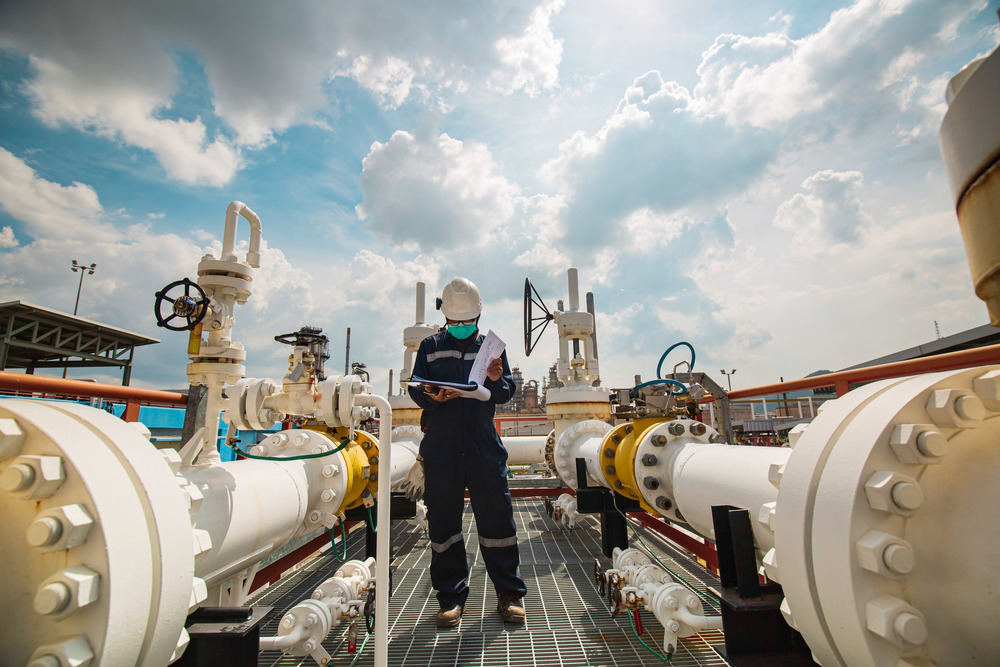

Wastewater management is essential for protecting the environment and maintaining sustainable infrastructure. Municipalities and industrial facilities must continuously monitor wastewater flow and quality to comply with environmental standards. Modern monitoring technologies make this process more efficient, and scada software enables real-time tracking, automation, and centralized control of wastewater systems.
SCADA-based systems collect data from field sensors and measurement devices installed across wastewater networks. Parameters such as flow rate, level, and chemical properties are transmitted to a central control interface where operators can monitor system performance. This allows rapid detection of faults, limit exceedances, or operational issues.
In addition, SCADA solutions support remote monitoring, historical data analysis, and automated control of critical equipment. These capabilities help operators improve efficiency, reduce operational risks, and maintain reliable wastewater management processes.
Wastewater monitoring systems are technological solutions used to observe, measure, and manage the quantity and quality of wastewater generated by industrial facilities and municipal infrastructure. These systems rely on sensors, measurement devices, and automation technologies to collect real-time data from different points within wastewater networks.
The collected data allows operators to track important parameters such as flow, level, and chemical composition. By continuously monitoring these values, wastewater facilities can ensure efficient treatment processes, detect operational problems early, and maintain compliance with environmental regulations.
The primary objective of wastewater monitoring systems is to ensure that wastewater is managed safely and in accordance with environmental standards. Continuous monitoring allows facilities to track the volume and quality of wastewater being transported or treated. This helps prevent environmental pollution and supports regulatory compliance.
Another key objective is improving operational efficiency within wastewater infrastructure. By monitoring system performance in real time, operators can detect irregularities, equipment failures, or abnormal parameter values early. This enables faster response times, reduces operational risks, and helps maintain stable and efficient treatment processes.
SCADA-based wastewater monitoring systems operate by collecting data from sensors and field devices installed throughout wastewater infrastructure. Devices such as flow meters, level sensors, and chemical analyzers measure critical parameters and transmit the data to controllers like PLCs or RTUs. These controllers then send the information to a central monitoring platform where operators can observe system performance in real time.
The SCADA platform processes and visualizes the incoming data through dashboards, charts, and alarm notifications. If any parameter exceeds predefined limits, the system automatically generates alerts so operators can quickly respond. This centralized monitoring structure allows wastewater facilities to manage operations more efficiently while improving reliability and system safety.
SCADA systems are widely used in wastewater facilities to monitor and control different operational processes. By integrating sensors, controllers, and communication networks, SCADA platforms allow operators to supervise infrastructure from a centralized interface. This improves visibility across the entire wastewater system and helps ensure stable and efficient facility operation.
Through real-time monitoring and automated control capabilities, SCADA technology enables operators to detect system issues quickly and optimize equipment performance. It also allows data collection and reporting, which supports maintenance planning, operational analysis, and regulatory compliance across wastewater infrastructure.
Pumping stations play a critical role in wastewater infrastructure by transporting wastewater from lower elevations to higher points within the network. These stations typically use pumps, level sensors, and control equipment to maintain continuous flow and prevent overflow situations. Integrating SCADA systems into pumping stations allows operators to monitor pump status, tank levels, and operational performance in real time.
With SCADA integration, pumping stations can operate more efficiently through automated pump control and remote monitoring. Operators can quickly detect pump failures, abnormal water levels, or operational irregularities. This improves system reliability, reduces downtime, and ensures that wastewater is transferred safely and efficiently throughout the network.
Wastewater treatment plants are facilities where wastewater is processed to remove contaminants before being released into the environment. These plants use physical, chemical, and biological processes to treat wastewater and ensure it meets environmental standards. SCADA systems allow operators to monitor all treatment stages from a centralized platform.
With SCADA integration, operators can track parameters such as flow rate, chemical levels, and equipment performance in real time. The system also records operational data and provides alerts when abnormal conditions occur. This improves process efficiency, helps maintain regulatory compliance, and supports reliable operation of the treatment facility.
Discharge points are locations where treated wastewater is released into natural water bodies or designated drainage systems. Monitoring these points is essential to ensure that discharged water meets environmental regulations and quality standards. SCADA systems allow operators to track discharge conditions continuously and verify that wastewater parameters remain within acceptable limits.
Through integrated sensors and monitoring devices, parameters such as flow rate, temperature, and chemical composition can be measured in real time. If any parameter exceeds predefined environmental thresholds, the system generates alerts for immediate action. This continuous monitoring helps protect natural ecosystems while ensuring regulatory compliance for wastewater facilities.
SCADA-based wastewater monitoring systems track a wide range of operational and environmental parameters to ensure efficient and safe wastewater management. Sensors installed throughout the system continuously collect data from pipelines, tanks, and treatment processes. These measurements allow operators to monitor system performance and quickly identify abnormal conditions.
Commonly monitored parameters include flow rate, water level, pH values, conductivity, and other chemical indicators that reflect water quality. By collecting and analyzing these data points in real time, SCADA systems help operators maintain stable processes, detect irregularities early, and ensure that wastewater treatment and discharge remain within regulatory limits.
Flow and level measurement are fundamental components of wastewater monitoring systems. Sensors installed in pipelines, tanks, and channels measure the rate of wastewater flow and the level of water within storage structures. These measurements help operators understand system performance and ensure that wastewater is transported and processed efficiently.
SCADA systems collect flow and level data in real time and display it through centralized monitoring interfaces. This allows operators to detect abnormal conditions such as sudden flow increases, blockages, or overflow risks. Continuous monitoring helps maintain system stability and supports better operational decision-making.
Monitoring pH, conductivity, and other chemical parameters is essential for maintaining wastewater quality and ensuring proper treatment processes. These parameters provide important information about the chemical composition of wastewater and help determine whether treatment operations are functioning correctly.
SCADA systems collect data from chemical sensors installed at key points within the wastewater system. The platform continuously tracks pH levels, conductivity values, and other indicators that reflect water quality. If any measurement exceeds predefined limits, the system immediately alerts operators, allowing them to respond quickly and maintain compliance with environmental standards.
Alarm and limit exceedance monitoring is a critical feature in wastewater monitoring systems. SCADA platforms continuously compare incoming data with predefined operational limits. When parameters such as flow rate, level, or chemical values exceed these limits, the system automatically generates alerts to inform operators about potential issues.
These alarms help operators respond quickly to abnormal conditions such as equipment failures, overflow risks, or treatment process irregularities. In addition to real-time notifications, the system records alarm events for later analysis. This enables facility managers to identify recurring issues, improve maintenance planning, and ensure stable wastewater system operation.
SCADA automation plays a significant role in improving the efficiency and reliability of wastewater monitoring systems. By integrating sensors, controllers, and automated control logic, SCADA platforms allow wastewater facilities to operate with minimal manual intervention. Real-time data collected from field devices enables the system to automatically respond to changing conditions within the infrastructure.
Through automation, critical equipment such as pumps, valves, and monitoring devices can operate according to predefined control scenarios. This ensures consistent wastewater flow, stable treatment processes, and faster responses to operational issues. SCADA automation also supports continuous data recording and performance analysis, helping operators improve operational efficiency and maintain reliable wastewater management.
Automatic pump control is an important feature of SCADA automation in wastewater facilities. Pumps are responsible for transporting wastewater between different parts of the infrastructure, and their efficient operation is critical for maintaining system stability. With SCADA integration, pump operations can be monitored and controlled automatically based on real-time system data.
Level sensors and flow measurements allow the system to determine when pumps should start or stop. This automated process helps prevent overflow situations, reduces unnecessary pump operation, and improves energy efficiency. Operators can also monitor pump performance through the SCADA interface and quickly respond to any operational abnormalities.
Energy consumption tracking is an important part of efficient wastewater facility management. Equipment such as pumps, blowers, and treatment systems consume significant amounts of electricity during daily operations. SCADA systems enable operators to monitor the energy usage of these components in real time through centralized dashboards.
By analyzing energy consumption data, facility managers can identify inefficient equipment operation or unusual power usage patterns. This information helps optimize system performance, reduce operational costs, and support energy management strategies. Continuous monitoring also allows early detection of equipment issues that may cause excessive energy consumption.
Scenario and alarm management allows wastewater facilities to respond automatically to changing operational conditions. SCADA systems enable operators to define specific control scenarios based on sensor data and system parameters. For example, when a water level reaches a predefined threshold, the system can automatically activate pumps or adjust operational processes.
Alarm management ensures that any abnormal condition within the wastewater system is quickly detected and communicated to operators. When parameters exceed defined limits, the SCADA platform generates alerts through the monitoring interface. These alerts help operators respond quickly to potential risks and maintain stable system performance.
The installation of a SCADA system in wastewater monitoring infrastructure begins with planning and system design. Engineers first determine which parameters need to be monitored, such as flow, level, and chemical properties. Based on these requirements, appropriate sensors, measurement devices, and control equipment are selected and installed at critical points within the wastewater network.
After the field devices are installed, controllers such as PLCs or RTUs are configured to collect data from sensors and transmit it to the central monitoring system. Communication networks are established to ensure reliable data transfer between field equipment and the control center. The SCADA interface is then configured to display system data, dashboards, and operational alerts for operators.
Finally, the system undergoes testing and commissioning to ensure that all devices, communication links, and automation functions operate correctly. Alarm limits, reporting functions, and control scenarios are also configured during this phase. Once the installation is completed, operators receive training to effectively monitor and manage the wastewater system through the SCADA platform.
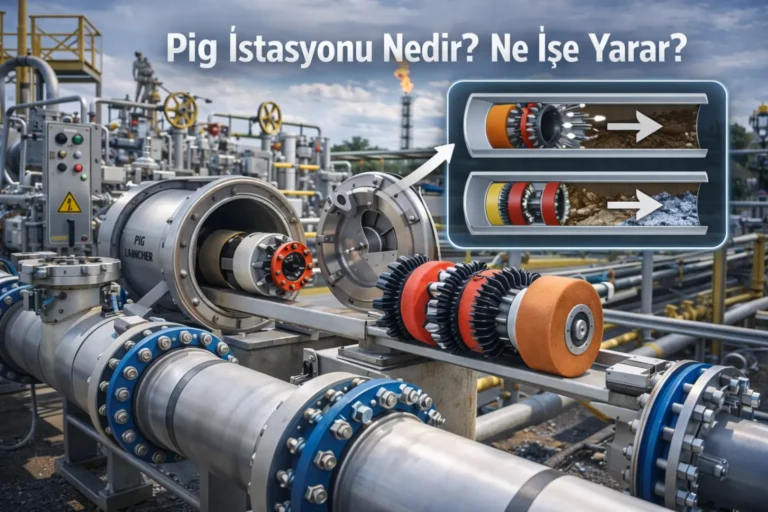
In the oil, gas, and industrial pipeline sectors, a pig station is a crucial infrastructure component used to ensure the...
Devamını Oku
In today’s fast-paced and technology-driven world, automation has become a necessity rather than a luxury. This is where the concept...
Devamını Oku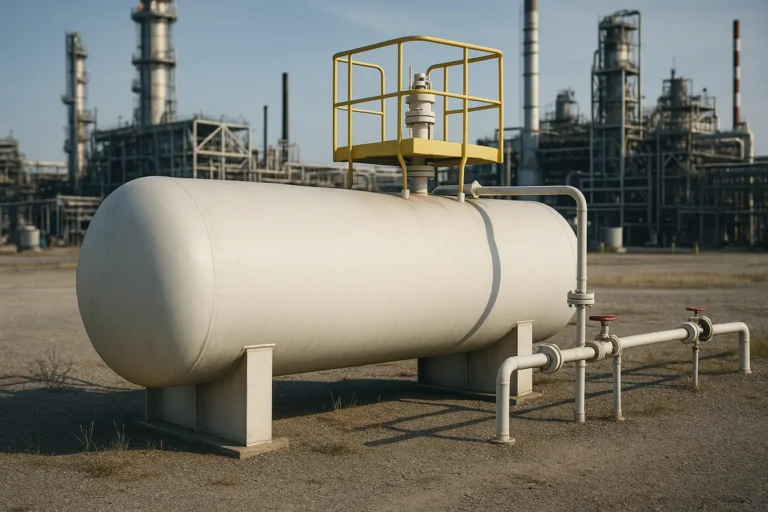
Sustainable management of energy resources has become a strategic priority in today’s global landscape. In this context, underground gas storage...
Devamını OkuPROTECTION OF PERSONAL DATA
WEBSITE COOKIE POLICY
Your personal data; It is one of the leading principles of our Organization to protect the privacy of visitors to the website (www.adatech.com.tr) operated by ADATECH as the data controller. This Cookie Usage Policy (“Policy”) explains to all our website visitors and users which types of cookies are used and under what conditions.
Cookies are small text files stored on your device or network server by websites you visit on your computer or mobile device.
They are generally used to provide you with a personalized experience during your use of the website you visit, to improve the services offered and to improve your experience, and may contribute to ease of use while browsing a website. If you do not prefer the use of Cookies, you can delete or block Cookies in your browser settings. However, we would like to remind you that this may affect your use of our website. Unless you change your cookie settings in your browser, we will assume that you accept the use of cookies on this website.
1. WHAT KIND OF DATA IS PROCESSED IN COOKIES?
Cookies on websites, depending on their type, collect data about your browsing and usage preferences on the device you visit the site. This data includes information about the pages you access, the services and products you review, your preferred language option and other preferences.
2. WHAT is a solution and what are its intended uses?
Cookies are small text files that are stored on your device or network server through browsers by websites you visit. These small text files, which contain your preferred language and other settings on the site, help us remember your preferences the next time you visit the site and make improvements to our services to improve your experience on the site. Thus, you can have a better and personalized usage experience on your next visit.
The main purposes of using cookies on our Website are listed below:
3.TYPES OF COOKIES USED ON OUR WEBSITE
3.1. Oturum Çerezleri
Session cookies ensure that the website functions properly during your visit. They are used for purposes such as ensuring the security and continuity of our sites and you during your visit. Session cookies are temporary cookies, they are deleted when you close your browser and come to our site again, they are not permanent.
3.2. Persistent Cookies
These types of cookies are used to remember your preferences and are stored on your device via browsers. Persistent cookies remain stored even after you close your browser or restart your computer from which you visited our site. These cookies are kept in subfolders of your browser until they are deleted through your browser’s settings.
Some types of persistent cookies may be used to provide you with special suggestions, taking into account issues such as your purpose of using the Website.
Thanks to persistent cookies, if you visit our Website again with the same device, it is checked whether there is a cookie created by our Website on your device and if there is, it is understood that you have visited the site before and the content to be transmitted to you is determined accordingly and thus a better service is provided to you.
3.3. Mandatory/Technical Cookies
These cookies are essential for the website you visit to function properly. The purpose of such cookies is to provide necessary services by enabling the website to function. For example, it allows you to access secure parts of the website, to use its features, to navigate on it.
3.4. Analytical Cookies
They collect information about the way the website is used, the frequency and number of visits, and show how visitors navigate to the site. The purpose of using such cookies is to increase performance by improving the way the site functions and to determine the general trend direction. They do not contain data that could enable the identification of visitors. For example, they show the number of error messages displayed or the most visited pages.
3.5. Functional/Functional Cookies
It saves the choices made by the visitor within the site and remembers them on the next visit. The purpose of such cookies is to provide ease of use to visitors. For example, it prevents the site user from re-entering the user password on each page they visit.
3.6. Targeting/Advertising Cookies
They enable the measurement of the effectiveness of advertisements served to visitors and the calculation of the number of times the advertisements are viewed. The purpose of such cookies is to serve ads customized to the interests of visitors.
Likewise, they enable the detection of visitors’ interests specific to their browsing and the presentation of appropriate content. For example, it prevents the advertisement shown to the visitor from being shown again in a short time.
4. HOW TO MANAGE COOKIE PREFERENCES?
To change your preferences regarding the use of cookies or to block or delete cookies, simply change your browser settings.
Many browsers give you the option to accept or reject cookies, accept only certain types of cookies, or be alerted by the browser when a website requests to store cookies on your device so that you can control cookies.
It is also possible to delete cookies previously saved in your browser.
If you disable or refuse cookies, you may need to set some preferences manually, some features and services on the website may not function properly as we will not be able to recognize and associate your account. You can change the settings of your browser by clicking on the relevant link from the table below.
5. ENFORCEMENT OF WEBSITE PRIVACY POLICY
Website Privacy Policy …./…./…./…. . is dated. In case all or certain articles of the Policy are renewed, the effective date of the Policy will be updated. The Privacy Policy is published on the website of the Authority (www.adatech.com.tr) and made available to the relevant persons upon the request of the personal data owners.
ADATECH
Address: Esenyalı Neighborhood Yanyol Street Varyap Plaza No:61-148 Pendik / Istanbul
Telephone: +90 (216 ) 514 80 69
E-mail: info@adatech.com.tr
Web Address: www.adatech.com.tr