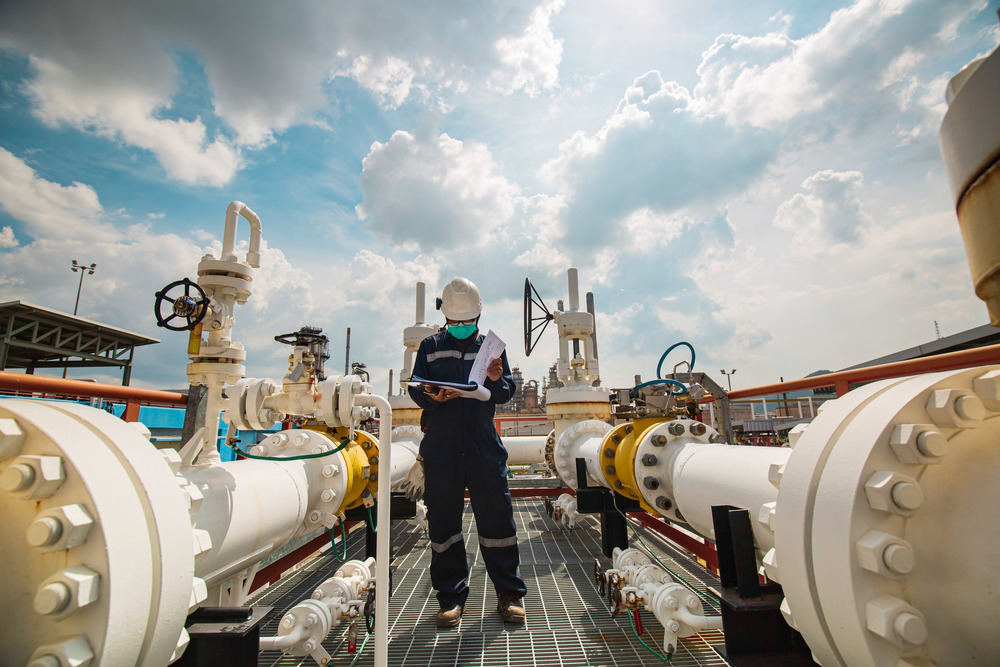




In industrial facilities, centralized monitoring and control of processes are critical for operational efficiency, safety, and sustainability. A modern SCADA system enables real-time data collection from field devices, providing operators with instant visibility and control over operations.
Advanced SCADA automation infrastructures allow production lines, energy distribution systems, and process control mechanisms to be managed from a single centralized platform. In complex industrial environments, SCADA solutions reduce human error, standardize processes, and enhance strategic decision-making.
At Adatech, we design and implement scalable, high-performance SCADA software solutions tailored to the specific needs of each facility, following international engineering standards and best practices.
Our SCADA Automation Solutions
Adatech’s SCADA automation solutions provide centralized monitoring and control of all field equipment and industrial processes.

Our systems are engineered to support both small-scale facilities and large, complex industrial operations.
Beyond monitoring, collected data can be used for performance analysis, energy optimization, and predictive maintenance strategies creating a strong digital foundation for operational excellence
SCADA Program Development Services
Every industrial facility has unique operational requirements. For this reason, we provide customized SCADA program development services rather than standard off-the-shelf solutions.
Our Development Process
Needs Assessment and Site Analysis
We analyze operational workflows, control scenarios, and security requirements in detail.
Software Architecture Design
A flexible and high-performance system architecture is designed to ensure full compatibility with field devices.
Development and Testing
Real-time data acquisition, monitoring, and control functions are validated through simulation and testing procedures.
Commissioning and Training
The system is deployed on-site, and operator training along with technical documentation is completed.
Our SCADA programs are designed to integrate seamlessly with various PLC and RTU brands. Open communication protocols ensure smooth adaptation to existing infrastructures while maintaining high levels of security and scalability.

Tailored SCADA Solutions
Every industrial facility has unique operational processes and data structures. Therefore, Adatech develops fully customized SCADA architectures.
Each project begins with detailed requirement analysis. Process workflows are carefully evaluated. Data acquisition structures are specifically designed. Control scenarios are adapted to field conditions. User authorization levels are clearly defined. System performance criteria are considered. Scalability is built into the software architecture. Existing infrastructure compatibility is ensured. As a result, reliable, flexible, and high-efficiency SCADA software solutions are delivered.
Operator Screens and HMI Design
An effective SCADA system must be supported by an intuitive and reliable user interface.
Our HMI designs prioritize usability and operational clarity:
- Clear and simplified process flow diagrams
- Prominent visualization of critical parameters
- Visual and audible alarm differentiation
- Role-based access control
- Compatibility across multiple resolutions and mobile platforms
This approach enables operators to respond quickly and accurately, reducing operational risk and improving efficiency.
Alarm, Trend, and Reporting Configuration
A robust SCADA automation infrastructure should provide not only monitoring but also advanced analytical capabilities.
Our solutions include:
- Priority-based alarm configuration
- Engineering-based threshold value settings
- Trend analysis for temperature, pressure, flow, and energy data
- Historical data archiving for performance evaluation
- Automated daily, weekly, and monthly reporting
With structured reporting and trend analysis tools, businesses gain both real-time operational control and long-term strategic insight.
SCADA Integration with Enterprise Systems
For sustainable digital transformation, a SCADA system must integrate seamlessly with enterprise-level platforms.
Adatech designs SCADA infrastructures that can integrate with:
- ERP systems
- MES software
- Maintenance management systems
- Energy monitoring platforms
Through integration, operational data collected from the field becomes accessible for managerial decision-making processes.
Integration Benefits
- Real-time data synchronization
- Alignment between production, inventory, and maintenance systems
- Automated maintenance record transfers
Executive dashboard data feeds - Secure data exchange and authorization control
Each integration project begins with a detailed infrastructure analysis. The most suitable architecture is designed, data flows are validated through testing, and cybersecurity measures are implemented to ensure system integrity.

Core Competencies We Provide:
Real-Time Data Collection from PLC and RTU Systems
You can monitor your processes continuously by providing instant data flow from the field. This allows you to increase efficiency by basing your operational decisions on up-to-date data.
Secure Data Transmission with Advanced Communication Protocols
You can establish secure and stable communication between your devices using industrial protocols. This allows you to reduce the risk of data loss and maintain system integrity.
Centralized Control and Monitoring Infrastructure
You can monitor and manage your entire facility from a single center. This structure enables quick intervention and effective control in operational processes.
Modular and Scalable System Architecture
You can create a flexible infrastructure that can be expanded according to your needs. This allows you to grow your system without disrupting the existing structure.
Data Security and Authorization Scenarios
You can protect your critical data with role-based access structures. This allows you to minimize cyber risks by controlling user permissions.
Backup and System Continuity Planning
You can create automatic backup scenarios against possible failure situations. This ensures uninterrupted operation and guarantees production continuity.