



Machine Design and Manufacturing
Machine design and manufacturing form the foundation of industrial engineering, transforming creative ideas into functional systems and products. This process...
Devamını Oku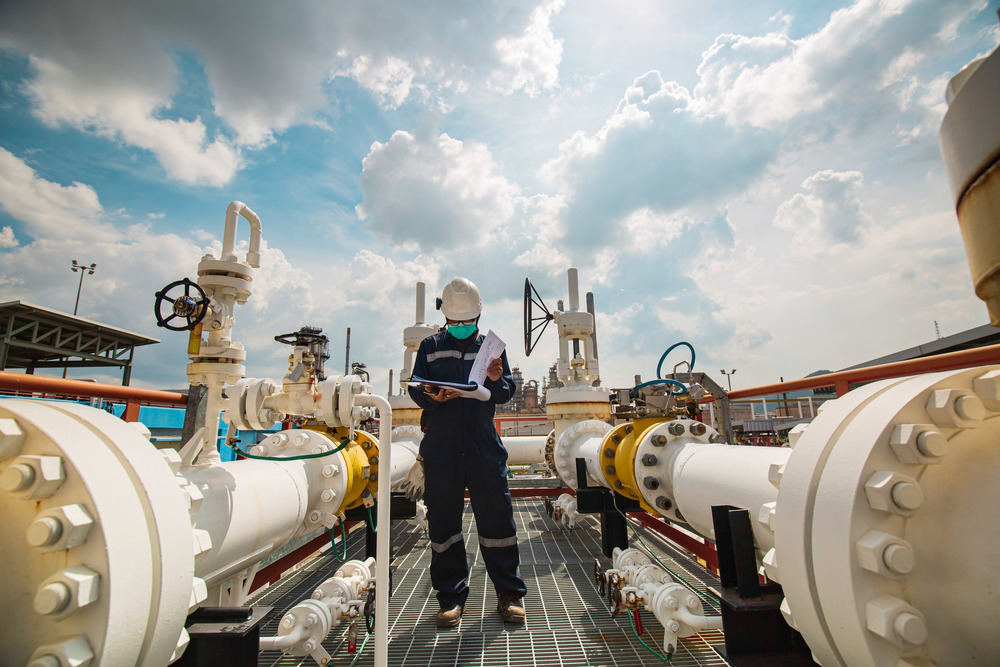

Low voltage systems refer to integrated infrastructures that operate with lower electric current—typically below 50V—and are used for transmitting data, signals, and control rather than high electrical loads. These systems are essential in modern buildings for managing security, communication, automation, and operational efficiency. They include a broad range of technologies from CCTV and fire alarm systems to data networks and building automation. As buildings become smarter and more connected, low voltage infrastructure plays a critical role in ensuring safety, functionality, and energy efficiency.
When asking what are low voltage systems, the answer goes far beyond simple electrical components. It involves a full ecosystem of smart integration and intelligent planning. The design process for low voltage systems includes multiple stages: needs analysis, system selection, architectural coordination, cabling routes, and control integration. Proper planning ensures seamless operation and future scalability. Companies like Adatech bring valuable engineering expertise to this process, delivering customized solutions that meet international standards. Especially in industrial facilities, hospitals, and smart buildings, these systems form the digital backbone of the structure.
Low voltage solutions aren’t about power—they’re about precision, control, and communication. With well-executed design and implementation, these systems provide long-term reliability, operational safety, and smarter building management
Low current, also known as low voltage, refers to electrical systems that operate at voltages typically below 50 volts. These systems are not intended to transmit high electrical loads, but rather to carry data, signals, and control commands within a building or facility. Unlike high voltage systems that power lighting or heavy equipment, low current systems focus on enabling secure communication, efficient building automation, and safety management. They are used in various areas including data networks, security systems, fire alarms, and audiovisual infrastructure.
When someone asks what is low voltage, the answer involves much more than just electricity. It’s a critical component of modern architecture and engineering. These systems provide the backbone for technologies that enhance building intelligence, occupant comfort, and operational control. As smart buildings and IoT-driven environments become more common, the demand for well-designed low voltage systems continues to grow. Proper planning and implementation of these systems ensures safety, scalability, and compliance with modern standards. From office spaces to industrial zones, low voltage technologies offer adaptable and energy-efficient solutions for the future of infrastructure.
Low voltage systems, also referred to as low-current systems, are integrated infrastructures designed to manage communication, safety, and automation functions within a building. Unlike high-voltage systems that handle power distribution, these systems operate on low-voltage signals—usually under 50V—and are used for purposes like surveillance, data transmission, fire detection, and access control. So when we ask, what are low voltage systems, we’re referring to a wide array of interconnected technologies such as CCTV systems, fire alarms, data networks, nurse call systems, and smart building automation. These components are essential to creating a safe, efficient, and intelligent structure.
Low-current systems are engineered to be scalable and integrative, meaning they can work together under centralized management platforms. From office buildings and hospitals to airports and smart homes, low voltage systems are indispensable for maintaining seamless functionality and enhanced user experience. They also contribute to energy savings and regulatory compliance. With the growing trend of digital transformation and building automation, the design and deployment of low-current systems are no longer optional—they’re a necessity. Engineering-focused firms like Adatech specialize in tailoring these systems based on building type, usage, and future expansion needs.
Security and camera systems (CCTV) are among the most critical low voltage infrastructures in any building, designed to provide 24/7 surveillance and video recording for enhanced safety. These systems detect and deter unauthorized activities, offering both live monitoring and playback capabilities. CCTV setups typically include IP cameras, NVRs (Network Video Recorders), monitors, and sometimes intelligent features like motion detection, facial recognition, or license plate recognition.
Whether used in residential buildings, offices, industrial sites, or public areas, CCTV systems are essential for situational awareness and crime prevention. Their integration into larger building management systems allows for centralized control and real-time response. Proper planning of camera placement, coverage angles, and data storage ensures optimal performance. Firms like Adatech deliver customized, scalable CCTV solutions that align with the project’s security needs and infrastructure.
Fire detection and alarm systems are vital low voltage technologies used to detect early signs of fire such as smoke, heat, or gas, and alert building occupants through visual and audible alarms. These systems help prevent loss of life and property by enabling fast evacuation and emergency response. They typically consist of smoke and heat detectors, manual call points, alarm panels, sounders, and visual indicators.
In high-risk environments such as hospitals, malls, factories, and residential towers, these systems are often integrated with sprinklers, ventilation, and emergency lighting systems. With proper design and installation, fire detection systems can also activate automated responses like elevator recall or door release. Companies like Adatech ensure that every component complies with international safety standards and functions seamlessly within a smart building infrastructure.
Card access and building control systems are intelligent low voltage infrastructures designed to regulate entry and exit points within buildings. These systems ensure that only authorized individuals can access certain areas, using smart cards, key fobs, or biometric credentials. The system records every access event, providing a digital trail for security auditing and occupancy tracking.
Integrated with turnstiles, elevators, and automated doors, these systems can also interact with lighting, HVAC, and other automation layers to adjust settings based on user profiles. In corporate offices, hospitals, or high-security zones, they enhance both safety and operational efficiency. Engineering-driven firms like Adatech offer scalable, centralized access control solutions tailored to the needs of modern, connected facilities.
Data and network infrastructure systems form the communication backbone of any modern building and are a fundamental part of low voltage planning. These systems include structured cabling, switches, patch panels, routers, and server racks that ensure seamless connectivity for voice, video, and data. A robust network setup guarantees high-speed internet access, reliable internal communication, and efficient IT operations.
Whether in office buildings, hospitals, or industrial sites, the quality of data infrastructure directly impacts daily productivity. Scalable and future-proof network systems allow for easy expansion as user needs grow. Companies like Adatech specialize in designing and implementing data networks that comply with international standards, optimizing both performance and long-term maintainability.
Emergency announcement and public address systems are essential low voltage technologies used to communicate critical information quickly during emergencies such as fire, earthquake, or evacuation scenarios. These systems deliver voice messages or alerts throughout a facility to guide occupants to safety. They are also used in daily operations for routine announcements or background music.
Components typically include microphones, amplifiers, speakers, control panels, and zoning capabilities to manage different broadcast areas. Integration with fire alarm and building automation systems enhances response time and coordination. Adatech provides customized solutions that ensure clear, intelligible sound coverage across all zones, helping buildings meet life safety standards while also supporting operational communication needs.
Satellite and TV systems are centralized low voltage solutions that distribute digital television signals to multiple units within a building without the need for individual satellite dishes. These systems provide access to high-quality broadcasts, whether through satellite, cable, or IPTV sources, and are commonly installed in hotels, hospitals, residential complexes, and commercial properties.
A well-designed system ensures stable signal transmission, minimal interference, and easy management of multiple channels. Advanced versions may offer interactive features and IP-based streaming options. With its engineering expertise, Adatech delivers integrated satellite and TV distribution systems tailored to the specific needs of each facility, ensuring a reliable and scalable entertainment infrastructure.
Nurse call and hospital systems are critical low voltage infrastructures designed to improve communication between patients and healthcare staff in medical environments. These systems enable patients to request assistance quickly, while allowing nurses to respond promptly and efficiently. Components often include call buttons, bedside units, corridor indicators, and nurse station panels.
By reducing response times and ensuring patient safety, these systems directly contribute to higher levels of care and operational efficiency. They are often integrated with hospital management software, logging each interaction for quality control and reporting. Adatech designs nurse call systems tailored to the needs of modern healthcare facilities, ensuring reliability, scalability, and compliance with healthcare standards.
Smart building and automation systems are advanced low voltage solutions that control and monitor various building functions—such as lighting, HVAC, access control, and energy management—through centralized or remote platforms. These systems use sensors, controllers, and software to optimize building performance, reduce energy consumption, and enhance user comfort.
Automation enables real-time monitoring, scheduling, and intelligent decision-making, making buildings safer, more efficient, and easier to manage. Adatech delivers smart building solutions that are fully customizable and scalable, ensuring seamless integration with other low voltage systems to create a truly intelligent and responsive environment.
Low voltage project design is the technical and strategic planning process for integrating low current systems into a building or facility. It includes detailed analysis, component selection, cable routing, integration points, and the creation of technical drawings using software such as AutoCAD. This process ensures that each system—whether it’s CCTV, fire alarm, access control, or network infrastructure—functions reliably and in harmony with the building’s architecture and usage requirements.
Successful project design begins with a thorough needs assessment, followed by system engineering, load calculations, and coordination with other disciplines such as mechanical and high-voltage electrical teams. The result is a clear and actionable set of design documents that serve as a blueprint for installation and future maintenance. A well-executed low voltage project design reduces implementation errors, prevents costly revisions, and improves long-term system performance. Adatech provides expert-level design services that comply with global standards, ensuring safety, efficiency, and scalability across all types of structures—from hospitals and campuses to factories and smart buildings.
Choosing the right low voltage systems companies is essential for the long-term success, safety, and efficiency of any building project. These firms are not just equipment suppliers—they are engineering partners who offer design, integration, installation, and ongoing support. The ideal company should have a strong portfolio, experienced technical staff, and a clear understanding of international standards. Evaluating past projects, client references, and industry certifications can help you assess their reliability.
A trustworthy firm must offer more than just hardware—they should provide end-to-end solutions tailored to your specific needs. This includes system integration, documentation, testing, and maintenance services. Firms like Adatech, with their engineering-driven approach, deliver customized low current solutions that are scalable, efficient, and future-ready. The best low voltage systems companies also stay up to date with evolving technologies, ensuring your infrastructure remains relevant and secure over time. Investing in the right partner minimizes operational risks and maximizes performance across all systems.
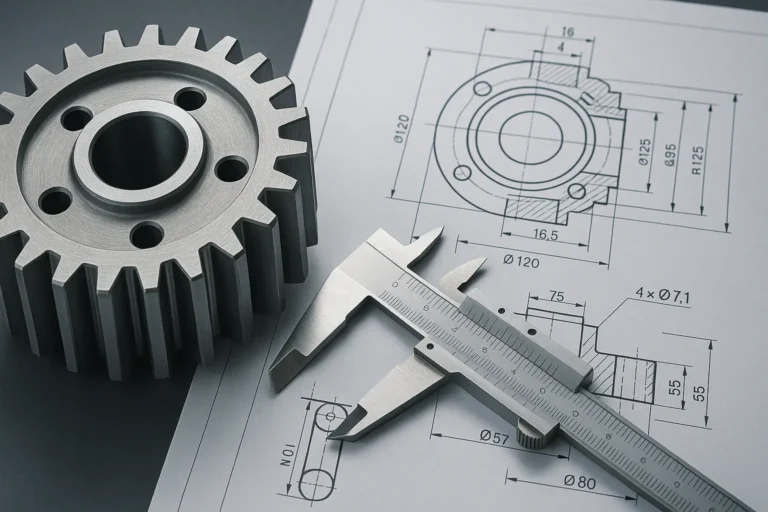
Machine design and manufacturing form the foundation of industrial engineering, transforming creative ideas into functional systems and products. This process...
Devamını Oku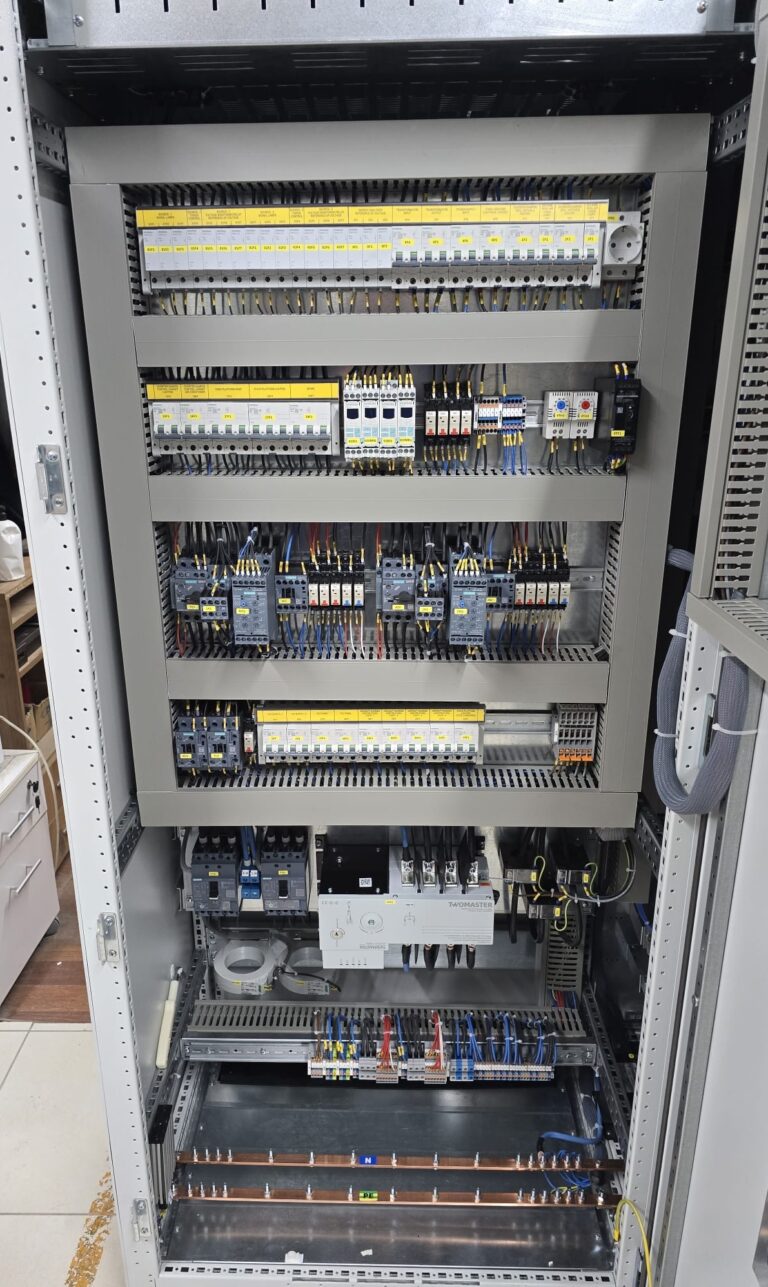
An MCC panel (Motor Control Center) is an essential electrical distribution system used in industrial facilities to control and manage...
Devamını Oku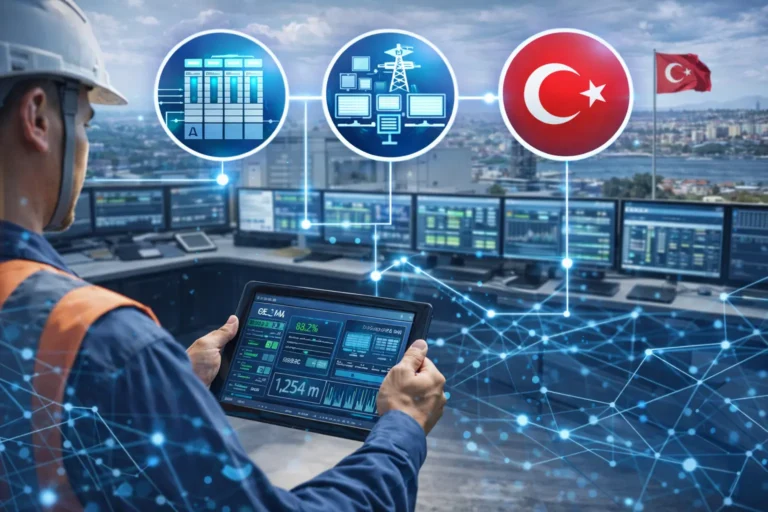
Industrial facilities rely on advanced automation technologies to monitor and control their operations efficiently. In this context, scada software plays...
Devamını OkuPROTECTION OF PERSONAL DATA
WEBSITE COOKIE POLICY
Your personal data; It is one of the leading principles of our Organization to protect the privacy of visitors to the website (www.adatech.com.tr) operated by ADATECH as the data controller. This Cookie Usage Policy (“Policy”) explains to all our website visitors and users which types of cookies are used and under what conditions.
Cookies are small text files stored on your device or network server by websites you visit on your computer or mobile device.
They are generally used to provide you with a personalized experience during your use of the website you visit, to improve the services offered and to improve your experience, and may contribute to ease of use while browsing a website. If you do not prefer the use of Cookies, you can delete or block Cookies in your browser settings. However, we would like to remind you that this may affect your use of our website. Unless you change your cookie settings in your browser, we will assume that you accept the use of cookies on this website.
1. WHAT KIND OF DATA IS PROCESSED IN COOKIES?
Cookies on websites, depending on their type, collect data about your browsing and usage preferences on the device you visit the site. This data includes information about the pages you access, the services and products you review, your preferred language option and other preferences.
2. WHAT is a solution and what are its intended uses?
Cookies are small text files that are stored on your device or network server through browsers by websites you visit. These small text files, which contain your preferred language and other settings on the site, help us remember your preferences the next time you visit the site and make improvements to our services to improve your experience on the site. Thus, you can have a better and personalized usage experience on your next visit.
The main purposes of using cookies on our Website are listed below:
3.TYPES OF COOKIES USED ON OUR WEBSITE
3.1. Oturum Çerezleri
Session cookies ensure that the website functions properly during your visit. They are used for purposes such as ensuring the security and continuity of our sites and you during your visit. Session cookies are temporary cookies, they are deleted when you close your browser and come to our site again, they are not permanent.
3.2. Persistent Cookies
These types of cookies are used to remember your preferences and are stored on your device via browsers. Persistent cookies remain stored even after you close your browser or restart your computer from which you visited our site. These cookies are kept in subfolders of your browser until they are deleted through your browser’s settings.
Some types of persistent cookies may be used to provide you with special suggestions, taking into account issues such as your purpose of using the Website.
Thanks to persistent cookies, if you visit our Website again with the same device, it is checked whether there is a cookie created by our Website on your device and if there is, it is understood that you have visited the site before and the content to be transmitted to you is determined accordingly and thus a better service is provided to you.
3.3. Mandatory/Technical Cookies
These cookies are essential for the website you visit to function properly. The purpose of such cookies is to provide necessary services by enabling the website to function. For example, it allows you to access secure parts of the website, to use its features, to navigate on it.
3.4. Analytical Cookies
They collect information about the way the website is used, the frequency and number of visits, and show how visitors navigate to the site. The purpose of using such cookies is to increase performance by improving the way the site functions and to determine the general trend direction. They do not contain data that could enable the identification of visitors. For example, they show the number of error messages displayed or the most visited pages.
3.5. Functional/Functional Cookies
It saves the choices made by the visitor within the site and remembers them on the next visit. The purpose of such cookies is to provide ease of use to visitors. For example, it prevents the site user from re-entering the user password on each page they visit.
3.6. Targeting/Advertising Cookies
They enable the measurement of the effectiveness of advertisements served to visitors and the calculation of the number of times the advertisements are viewed. The purpose of such cookies is to serve ads customized to the interests of visitors.
Likewise, they enable the detection of visitors’ interests specific to their browsing and the presentation of appropriate content. For example, it prevents the advertisement shown to the visitor from being shown again in a short time.
4. HOW TO MANAGE COOKIE PREFERENCES?
To change your preferences regarding the use of cookies or to block or delete cookies, simply change your browser settings.
Many browsers give you the option to accept or reject cookies, accept only certain types of cookies, or be alerted by the browser when a website requests to store cookies on your device so that you can control cookies.
It is also possible to delete cookies previously saved in your browser.
If you disable or refuse cookies, you may need to set some preferences manually, some features and services on the website may not function properly as we will not be able to recognize and associate your account. You can change the settings of your browser by clicking on the relevant link from the table below.
5. ENFORCEMENT OF WEBSITE PRIVACY POLICY
Website Privacy Policy …./…./…./…. . is dated. In case all or certain articles of the Policy are renewed, the effective date of the Policy will be updated. The Privacy Policy is published on the website of the Authority (www.adatech.com.tr) and made available to the relevant persons upon the request of the personal data owners.
ADATECH
Address: Esenyalı Neighborhood Yanyol Street Varyap Plaza No:61-148 Pendik / Istanbul
Telephone: +90 (216 ) 514 80 69
E-mail: info@adatech.com.tr
Web Address: www.adatech.com.tr