



Machine Automation Systems and Solutions
Machine automation systems are essential technologies used to improve production efficiency, reduce human error, and enhance product quality in industrial...
Devamını Oku
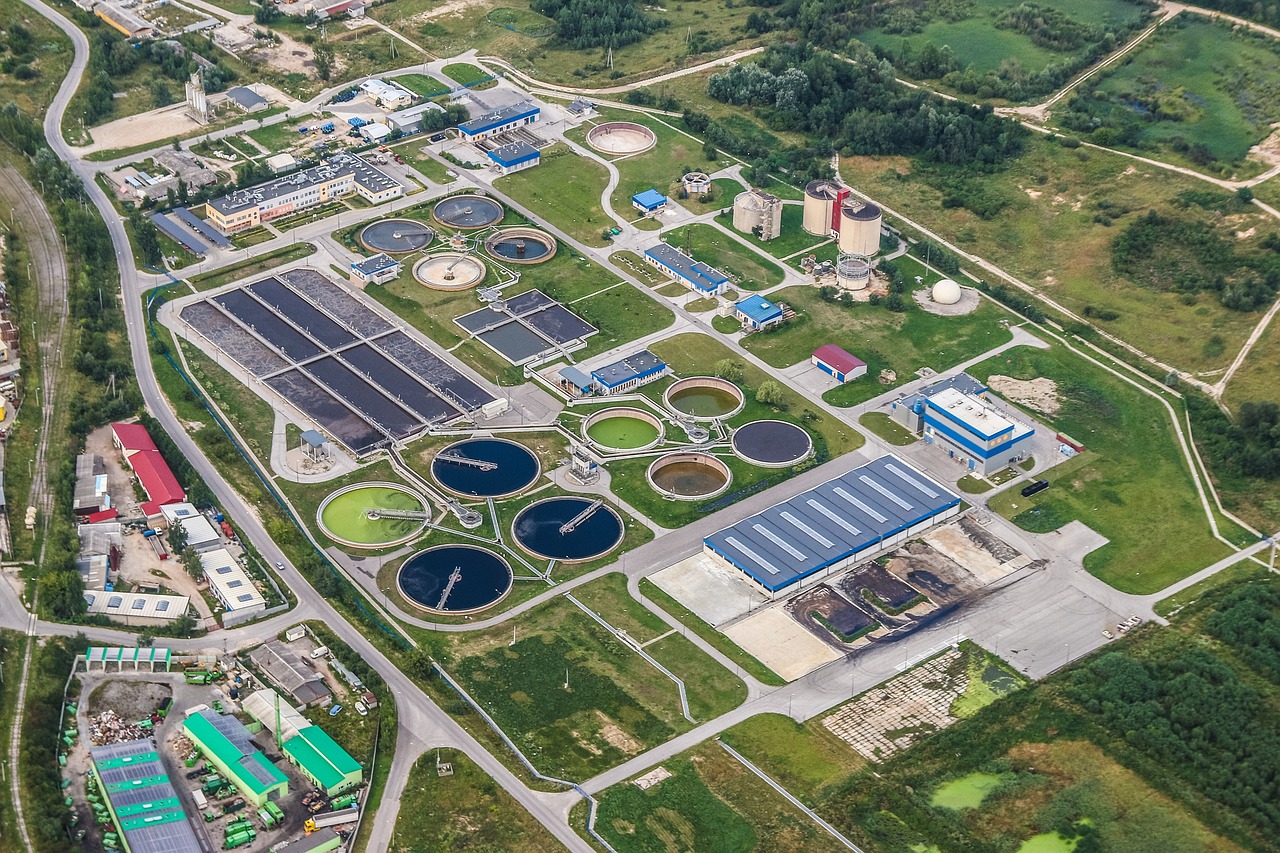
Wastewater treatment systems are advanced infrastructures designed to remove contaminants from domestic, industrial, and commercial wastewater before it is released back into nature or reused. These systems play a crucial role in maintaining environmental balance by preventing water pollution, protecting ecosystems, and ensuring public health. As urbanization and industrial activities increase, the volume and complexity of wastewater grow, making effective wastewater treatment more critical than ever. These systems help transform polluted water into a form that can either be safely discharged into the environment or reused in agricultural, industrial, or municipal applications.
To answer the question what is wastewater treatment, it involves a combination of physical, chemical, and biological processes that work together to remove solids, organic matter, nutrients, and pathogens from wastewater. Depending on the origin and composition of the wastewater, different types of wastewater treatment systems are used, such as domestic, industrial, and factory wastewater treatment systems. Each system is designed to handle specific contaminants and flow capacities. Modern treatment technologies also integrate smart monitoring and automation tools, making the process more efficient, economical, and environmentally friendly.
Understanding how wastewater treatment systems work allows industries and municipalities to adopt sustainable water management strategies. These systems help conserve fresh water by enabling water treatment wastewater reuse, thus reducing dependence on natural water sources. Furthermore, selecting the right wastewater treatment device is essential for regulatory compliance, operational efficiency, and long-term cost savings. Whether it’s for a small residential complex or a large manufacturing facility, wastewater treatment is no longer an option—it’s a necessity for a cleaner, healthier future.
Wastewater treatment is the process of removing physical, chemical, and biological contaminants from used water, making it safe for discharge into the environment or for reuse. This process is essential for protecting human health, preserving natural water bodies, and supporting sustainable development. Wastewater originates from domestic activities (such as bathing, cooking, and sanitation), industrial processes, and commercial operations. If left untreated, it can lead to serious environmental damage and public health issues. Therefore, effective wastewater treatment systems are implemented to clean this water before it reenters natural water cycles.
The treatment process typically includes several stages. Primary treatment removes large solids and sediments through screening and sedimentation. Secondary treatment focuses on breaking down organic matter using microorganisms in biological reactors. Tertiary treatment involves advanced filtration, chemical disinfection, or nutrient removal to further purify the water. Depending on the source and composition of the wastewater, specific methods and technologies are selected. For example, domestic waste may require simpler systems, while industrial waste demands specialized solutions. Today’s modern wastewater treatment plant designs are energy-efficient, automated, and tailored to comply with strict environmental regulations.
Wastewater treatment systems are structured processes and technologies designed to purify contaminated water from domestic, industrial, and commercial sources. These systems use a combination of physical filtration, biological digestion, and chemical treatment to remove pollutants from wastewater. Their main goal is to ensure that the treated water meets environmental standards before being discharged or reused. A well-designed wastewater treatment system helps prevent pollution, conserves freshwater resources, and supports the health of surrounding ecosystems and communities.
There are various types of wastewater treatment systems, each built to handle specific types of waste and volumes. For instance, residential or domestic wastewater treatment systems are often compact and energy-efficient, ideal for homes, apartment complexes, or rural areas. Industrial wastewater treatment systems, on the other hand, are designed to handle more complex and toxic waste streams, such as those produced by manufacturing plants or chemical facilities. Some industries also require highly specialized factory wastewater treatment systems that address unique pollutants from specific production lines.
These systems can be installed as centralized facilities serving entire cities or as decentralized, on-site solutions for remote or self-contained locations. With advancements in technology, modern wastewater treatment devices now offer automation, real-time monitoring, and energy optimization. Regardless of the scale, the effectiveness of a treatment system depends on its proper design, installation, and maintenance. Selecting the right type of wastewater treatment plant is essential for regulatory compliance and environmental protection.
Domestic wastewater treatment systems are designed to treat sewage and greywater generated from residential sources such as kitchens, bathrooms, and laundry rooms. These systems are essential in areas without access to a centralized sewage infrastructure, such as rural homes, cottages, small communities, and off-grid properties. Their main goal is to safely process wastewater onsite, ensuring that it poses no harm to the environment or human health when discharged or reused.
These systems typically involve multiple stages including primary sedimentation, biological treatment through aeration or biofilters, and final disinfection. Compact in design, domestic wastewater treatment systems often use energy-efficient technologies and require minimal maintenance. Depending on local regulations and environmental requirements, treated water may be discharged into soil through drainage fields or used for non-potable purposes like irrigation. Choosing the right wastewater treatment device for residential use depends on factors like household size, soil conditions, and water usage patterns.
Industrial wastewater treatment systems are specialized solutions developed to handle the complex and often hazardous wastewater produced by factories, refineries, chemical plants, food processing facilities, and other industrial operations. Unlike domestic wastewater, industrial effluents often contain high concentrations of heavy metals, toxic chemicals, oils, and other pollutants that require advanced treatment processes. These systems are custom-engineered to ensure that all contaminants are removed or neutralized before discharge or reuse, in compliance with environmental regulations.
Depending on the industry, treatment may include chemical precipitation, membrane filtration, biological reactors, and sludge handling. Properly designed industrial wastewater treatment systems help industries avoid fines, reduce operational risks, and demonstrate environmental responsibility. In some cases, treated water is recycled back into the production process, contributing to sustainability goals. Choosing the right wastewater treatment system is essential to protect both the environment and public health while maintaining industrial efficiency.
Factory wastewater treatment systems are tailored to meet the specific needs of manufacturing plants, where wastewater may contain oils, greases, chemicals, solvents, and heavy metals depending on the production process. These systems play a vital role in ensuring that waste discharge complies with local and international environmental standards. Without proper treatment, factory effluents can severely harm ecosystems and water sources.
A typical system may include oil-water separators, neutralization tanks, chemical dosing units, biological reactors, and advanced filtration components. Some factories also integrate wastewater treatment devices with automated monitoring for real-time performance tracking. By investing in robust factory wastewater treatment systems, manufacturers can significantly reduce their environmental footprint, lower water usage through recycling, and avoid penalties or legal liabilities. These systems are not only about compliance—they’re also a key part of responsible and sustainable industrial operations.
Understanding how wastewater treatment systems work is key to appreciating their role in environmental protection and water sustainability. These systems follow a structured, multi-stage process to remove physical, chemical, and biological contaminants from wastewater. The goal is to ensure that water can be safely discharged or reused without harming ecosystems or public health. The process begins with preliminary treatment, where large solids and debris are removed through screening and grit chambers. This is followed by primary treatment, which allows suspended solids to settle at the bottom of sedimentation tanks.
The next stage is secondary treatment, where biological processes take over. Microorganisms are introduced to break down organic pollutants in the water, often through activated sludge systems or biofilters. Afterward, tertiary treatment further purifies the water by removing nutrients, pathogens, and micro-pollutants using chemical disinfection, membrane filtration, or UV treatment. Finally, the treated water is either discharged into nature or reused, and any remaining sludge is processed and safely disposed of or reused as bioenergy or fertilizer.
Modern wastewater treatment systems often incorporate automation, remote monitoring, and energy-saving technologies to improve efficiency and reduce environmental impact. These innovations help optimize every stage of the process while ensuring compliance with strict regulatory standards. Whether installed in a small community or a large industrial facility, understanding how wastewater treatment systems work helps stakeholders make informed decisions about water management and sustainability.
Wastewater treatment methods encompass a variety of processes used to remove contaminants and restore water quality for safe discharge or reuse. These methods are generally categorized into three main stages: physical, biological, and chemical treatment. Each stage is carefully designed to target specific pollutants depending on the source and composition of the wastewater. In many cases, a combination of methods is required to achieve optimal results and comply with regulatory discharge limits. Choosing the right method is essential for both operational efficiency and environmental sustainability.
Physical treatment involves the removal of large solids and debris using screens, grit chambers, and sedimentation tanks. This is usually the first step in the treatment process. Biological treatment uses microorganisms to break down organic matter and is a core component of many systems, especially in wastewater treatment plants. Activated sludge systems, trickling filters, and sequencing batch reactors are commonly used biological methods. Chemical treatment methods involve the use of coagulants, disinfectants, and pH adjusters to remove dissolved substances, pathogens, or nutrients like nitrogen and phosphorus. Advanced methods such as membrane filtration, reverse osmosis, and UV disinfection are often employed in tertiary treatment stages, especially in systems designed for water reuse.
Modern wastewater treatment systems are increasingly adopting integrated and automated treatment methods that combine these processes in compact, efficient units. The selection of appropriate wastewater treatment methods depends on factors such as water quality targets, budget, energy consumption, and space availability. Whether for municipal or industrial use, effective treatment is essential to protect ecosystems, conserve water, and ensure public health.
Industrial wastewater treatment systems are vital for safeguarding the environment, human health, and sustainable industrial operations. Industrial facilities often generate complex wastewater containing harmful substances such as heavy metals, toxic chemicals, oils, and organic compounds. Without proper treatment, these pollutants can contaminate rivers, lakes, and groundwater, leading to long-term ecological damage and serious health risks. These systems are designed to neutralize or remove such contaminants before the water is discharged or reused, ensuring compliance with environmental regulations and reducing legal and financial liabilities.
Beyond legal requirements, the importance of industrial wastewater treatment systems lies in their contribution to corporate sustainability goals and resource conservation. Many modern systems enable water recycling and reuse, helping industries reduce fresh water consumption and operational costs. Additionally, recovered by-products such as sludge or biogas can be repurposed for energy or agricultural use, turning waste into a valuable resource. Choosing the right wastewater treatment system allows industries to operate responsibly while minimizing their environmental footprint.
With growing awareness of climate change, water scarcity, and environmental protection, investment in robust wastewater treatment infrastructure is no longer optional—it’s essential. By adopting advanced technologies and efficient wastewater treatment devices, companies not only protect the environment but also enhance their public image, build trust with stakeholders, and secure long-term operational success.

Machine automation systems are essential technologies used to improve production efficiency, reduce human error, and enhance product quality in industrial...
Devamını Oku
Transformers play a critical role in transmitting and distributing electrical energy efficiently. However, during this process, certain energy losses are...
Devamını Oku
Image processing systems are technological solutions designed to analyze, interpret, and manipulate digital images using computer-based algorithms. These systems play...
Devamını OkuPROTECTION OF PERSONAL DATA
WEBSITE COOKIE POLICY
Your personal data; It is one of the leading principles of our Organization to protect the privacy of visitors to the website (www.adatech.com.tr) operated by ADATECH as the data controller. This Cookie Usage Policy (“Policy”) explains to all our website visitors and users which types of cookies are used and under what conditions.
Cookies are small text files stored on your device or network server by websites you visit on your computer or mobile device.
They are generally used to provide you with a personalized experience during your use of the website you visit, to improve the services offered and to improve your experience, and may contribute to ease of use while browsing a website. If you do not prefer the use of Cookies, you can delete or block Cookies in your browser settings. However, we would like to remind you that this may affect your use of our website. Unless you change your cookie settings in your browser, we will assume that you accept the use of cookies on this website.
1. WHAT KIND OF DATA IS PROCESSED IN COOKIES?
Cookies on websites, depending on their type, collect data about your browsing and usage preferences on the device you visit the site. This data includes information about the pages you access, the services and products you review, your preferred language option and other preferences.
2. WHAT is a solution and what are its intended uses?
Cookies are small text files that are stored on your device or network server through browsers by websites you visit. These small text files, which contain your preferred language and other settings on the site, help us remember your preferences the next time you visit the site and make improvements to our services to improve your experience on the site. Thus, you can have a better and personalized usage experience on your next visit.
The main purposes of using cookies on our Website are listed below:
3.TYPES OF COOKIES USED ON OUR WEBSITE
3.1. Oturum Çerezleri
Session cookies ensure that the website functions properly during your visit. They are used for purposes such as ensuring the security and continuity of our sites and you during your visit. Session cookies are temporary cookies, they are deleted when you close your browser and come to our site again, they are not permanent.
3.2. Persistent Cookies
These types of cookies are used to remember your preferences and are stored on your device via browsers. Persistent cookies remain stored even after you close your browser or restart your computer from which you visited our site. These cookies are kept in subfolders of your browser until they are deleted through your browser’s settings.
Some types of persistent cookies may be used to provide you with special suggestions, taking into account issues such as your purpose of using the Website.
Thanks to persistent cookies, if you visit our Website again with the same device, it is checked whether there is a cookie created by our Website on your device and if there is, it is understood that you have visited the site before and the content to be transmitted to you is determined accordingly and thus a better service is provided to you.
3.3. Mandatory/Technical Cookies
These cookies are essential for the website you visit to function properly. The purpose of such cookies is to provide necessary services by enabling the website to function. For example, it allows you to access secure parts of the website, to use its features, to navigate on it.
3.4. Analytical Cookies
They collect information about the way the website is used, the frequency and number of visits, and show how visitors navigate to the site. The purpose of using such cookies is to increase performance by improving the way the site functions and to determine the general trend direction. They do not contain data that could enable the identification of visitors. For example, they show the number of error messages displayed or the most visited pages.
3.5. Functional/Functional Cookies
It saves the choices made by the visitor within the site and remembers them on the next visit. The purpose of such cookies is to provide ease of use to visitors. For example, it prevents the site user from re-entering the user password on each page they visit.
3.6. Targeting/Advertising Cookies
They enable the measurement of the effectiveness of advertisements served to visitors and the calculation of the number of times the advertisements are viewed. The purpose of such cookies is to serve ads customized to the interests of visitors.
Likewise, they enable the detection of visitors’ interests specific to their browsing and the presentation of appropriate content. For example, it prevents the advertisement shown to the visitor from being shown again in a short time.
4. HOW TO MANAGE COOKIE PREFERENCES?
To change your preferences regarding the use of cookies or to block or delete cookies, simply change your browser settings.
Many browsers give you the option to accept or reject cookies, accept only certain types of cookies, or be alerted by the browser when a website requests to store cookies on your device so that you can control cookies.
It is also possible to delete cookies previously saved in your browser.
If you disable or refuse cookies, you may need to set some preferences manually, some features and services on the website may not function properly as we will not be able to recognize and associate your account. You can change the settings of your browser by clicking on the relevant link from the table below.
5. ENFORCEMENT OF WEBSITE PRIVACY POLICY
Website Privacy Policy …./…./…./…. . is dated. In case all or certain articles of the Policy are renewed, the effective date of the Policy will be updated. The Privacy Policy is published on the website of the Authority (www.adatech.com.tr) and made available to the relevant persons upon the request of the personal data owners.
ADATECH
Address: Esenyalı Neighborhood Yanyol Street Varyap Plaza No:61-148 Pendik / Istanbul
Telephone: +90 (216 ) 514 80 69
E-mail: [email protected]
Web Address: www.adatech.com.tr