



What are Medium Voltage Systems? Usage Areas and Features
Medium voltage systems are essential components in electrical infrastructure, facilitating the efficient and safe transmission of electrical energy from generation...
Devamını Oku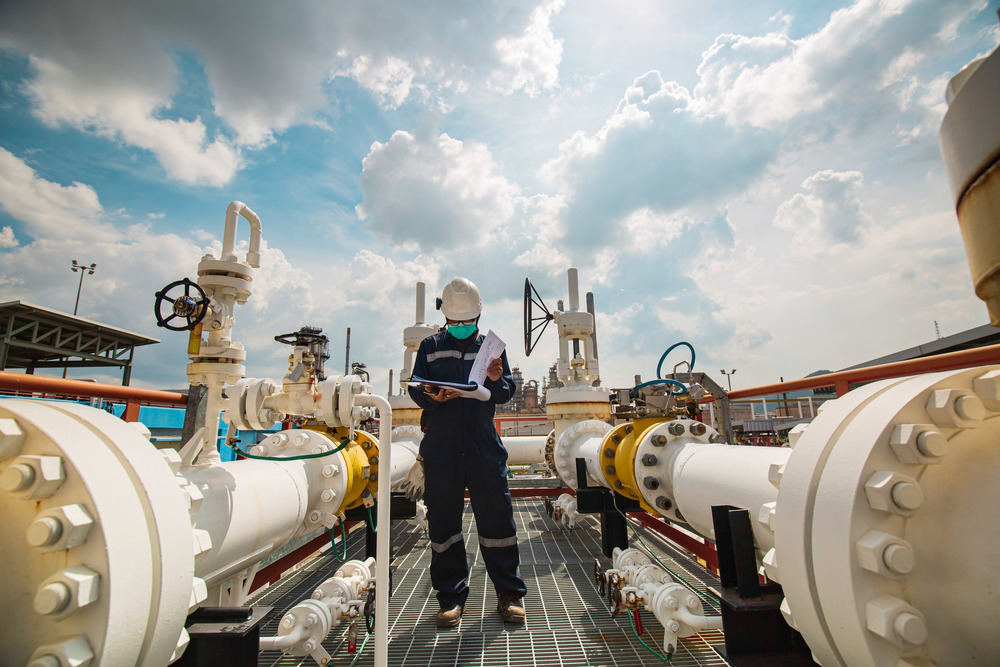

Gas detection systems are critical safety technologies designed to identify the presence and concentration of various gases in the environment. These systems play a vital role in preventing hazardous situations such as explosions, poisoning, or fires by detecting dangerous gas levels before they reach critical thresholds. A complete system typically includes at least one gas detection detector, a control panel, and alarm mechanisms. Whether in industrial, commercial, or even residential settings, these systems serve as a first line of defense, enabling rapid intervention in case of gas leaks.
In sectors where volatile or toxic gases are handled—such as oil and gas, chemical manufacturing, or energy production—gas detection is not just a precaution but a necessity. By providing real-time monitoring and automated alerts, gas detection systems help organizations maintain compliance with safety regulations while protecting lives and infrastructure. Moreover, modern gas detection and security system solutions are now capable of integrating with automation technologies, allowing facilities to automatically shut down valves, activate ventilation, or notify emergency teams. These proactive measures ensure a safer working environment and significantly reduce operational risks.
A gas detection system is an advanced safety mechanism designed to continuously monitor the atmosphere for the presence of harmful, combustible, or toxic gases. These systems are typically comprised of one or more gas detection detectors, a central control unit, and integrated alarm components. The primary function of the system is to detect unsafe levels of gases and alert personnel before those gases reach concentrations that could pose serious health or safety risks. Sensors within the detectors measure gas concentrations and transmit real-time data to the control panel, which activates visual and audible alarms if preset thresholds are exceeded.
These systems are essential in environments where gases can accumulate due to leaks, chemical reactions, or equipment failure. Depending on the application, gas detection technologies can include catalytic, electrochemical, infrared, or semiconductor-based sensors. This variety ensures the right type of monitoring for gases like methane, carbon monoxide, hydrogen sulfide, and others. Gas detection systems are used to enhance workplace safety, meet legal and environmental compliance requirements, and ensure that any threat posed by hazardous gases is promptly identified and addressed. By implementing such systems, businesses take a proactive approach to protecting both people and property.
In industrial settings, a gas detection system plays a crucial role in protecting workers, facilities, and processes from the dangers posed by gas leaks or accumulation. These systems continuously monitor the environment for hazardous gas levels, triggering immediate alarms when risks are detected. Industrial operations often involve flammable, explosive, or toxic gases that can escape during production, storage, or transport. In such scenarios, a well-installed gas detection and security system becomes the frontline defense against potentially catastrophic incidents. By enabling fast response times, these systems help prevent fires, explosions, and health-related emergencies.
Beyond safety, gas detection systems in industrial plants are also key to maintaining operational efficiency and regulatory compliance. Facilities that process chemicals, oil and gas, pharmaceuticals, and even food products must adhere to strict safety protocols. Gas detection systems support this by automatically activating ventilation systems, shutting down equipment, or isolating high-risk zones when gas concentrations exceed safe limits. Integration with plant-wide automation solutions ensures immediate action can be taken without human intervention. In this way, gas detection systems not only minimize risk but also reduce downtime, protect investments, and uphold environmental and occupational safety standards.
A gas detection system operates by continuously sampling the air in a given environment and analyzing it for specific gas concentrations. The system includes a network of gas detection detectors, each equipped with sensors that are sensitive to particular gas types. These sensors can be catalytic, electrochemical, infrared, or semiconductor-based, depending on the nature of the gases being monitored. When the sensor detects gas levels that exceed predefined safety thresholds, it sends a signal to the system’s control panel, which then activates visual and audible alarms to alert personnel of the danger.
Some advanced gas detection systems are integrated with automated safety responses. For instance, if a gas leak is detected, the system may automatically shut off valves, trigger ventilation systems, or notify emergency response teams. This seamless automation minimizes the need for human intervention during critical moments. Additionally, many modern systems are capable of real-time data logging and remote monitoring, providing valuable insights for maintenance teams and safety audits. The goal is not only to detect gas leaks promptly but also to respond effectively, ensuring the safety of individuals and minimizing operational disruptions.
Gas detection systems are used across a wide range of industries and environments where the risk of gas leaks or accumulation exists. Their primary purpose is to protect people, assets, and operations by ensuring that gas levels remain within safe limits. These systems are most commonly found in industrial facilities such as oil refineries, petrochemical plants, natural gas stations, chemical processing units, power generation plants, and manufacturing factories. In such locations, the release of hazardous gases poses a significant safety risk, making the installation of a gas detection and security system not just recommended, but essential.
Beyond heavy industry, gas detection is also vital in commercial and residential settings. Hospitals, laboratories, hotels, shopping malls, and parking garages often require gas detection detectors to monitor for toxic or flammable gases like carbon monoxide or methane. In residential applications, they help prevent accidents caused by natural gas leaks in kitchens or heating systems. Additionally, sectors like mining, agriculture, wastewater treatment, and transportation also depend on gas detection systems to ensure operational safety and environmental compliance. No matter the setting, these systems act as a proactive safety measure, offering constant monitoring and rapid response capabilities.
Adatech offers advanced and customizable gas detection systems designed to meet the rigorous safety requirements of industrial environments. Leveraging years of engineering expertise, Adatech creates site-specific solutions that include high-precision gas detection detectors, smart alarm systems, and full integration with facility automation networks. Each project begins with a comprehensive risk assessment to ensure that detection zones are optimized and system configurations meet both local regulations and international standards. With real-time monitoring and rapid response mechanisms, Adatech’s solutions significantly reduce the risk of accidents and improve operational continuity.
One of the key strengths of Adatech is its ability to integrate gas detection with other safety technologies, such as the FM200 Fire Extinguishing System. This clean agent suppression system is widely used in data centers, control rooms, and high-value equipment zones because it extinguishes fires without leaving residue or causing damage to electronics. By combining gas detection and FM200 solutions, Adatech creates a unified safety infrastructure that not only detects hazardous gases but also responds effectively to fire threats. From system design and installation to routine maintenance and calibration, Adatech delivers end-to-end service to ensure long-term reliability and protection.

Medium voltage systems are essential components in electrical infrastructure, facilitating the efficient and safe transmission of electrical energy from generation...
Devamını Oku
Communication infrastructure forms the foundation of modern digital systems, enabling the seamless and secure transfer of information across various platforms....
Devamını Oku
Industrial facilities rely on advanced automation technologies to monitor and control their operations efficiently. In this context, scada software plays...
Devamını OkuPROTECTION OF PERSONAL DATA
WEBSITE COOKIE POLICY
Your personal data; It is one of the leading principles of our Organization to protect the privacy of visitors to the website (www.adatech.com.tr) operated by ADATECH as the data controller. This Cookie Usage Policy (“Policy”) explains to all our website visitors and users which types of cookies are used and under what conditions.
Cookies are small text files stored on your device or network server by websites you visit on your computer or mobile device.
They are generally used to provide you with a personalized experience during your use of the website you visit, to improve the services offered and to improve your experience, and may contribute to ease of use while browsing a website. If you do not prefer the use of Cookies, you can delete or block Cookies in your browser settings. However, we would like to remind you that this may affect your use of our website. Unless you change your cookie settings in your browser, we will assume that you accept the use of cookies on this website.
1. WHAT KIND OF DATA IS PROCESSED IN COOKIES?
Cookies on websites, depending on their type, collect data about your browsing and usage preferences on the device you visit the site. This data includes information about the pages you access, the services and products you review, your preferred language option and other preferences.
2. WHAT is a solution and what are its intended uses?
Cookies are small text files that are stored on your device or network server through browsers by websites you visit. These small text files, which contain your preferred language and other settings on the site, help us remember your preferences the next time you visit the site and make improvements to our services to improve your experience on the site. Thus, you can have a better and personalized usage experience on your next visit.
The main purposes of using cookies on our Website are listed below:
3.TYPES OF COOKIES USED ON OUR WEBSITE
3.1. Oturum Çerezleri
Session cookies ensure that the website functions properly during your visit. They are used for purposes such as ensuring the security and continuity of our sites and you during your visit. Session cookies are temporary cookies, they are deleted when you close your browser and come to our site again, they are not permanent.
3.2. Persistent Cookies
These types of cookies are used to remember your preferences and are stored on your device via browsers. Persistent cookies remain stored even after you close your browser or restart your computer from which you visited our site. These cookies are kept in subfolders of your browser until they are deleted through your browser’s settings.
Some types of persistent cookies may be used to provide you with special suggestions, taking into account issues such as your purpose of using the Website.
Thanks to persistent cookies, if you visit our Website again with the same device, it is checked whether there is a cookie created by our Website on your device and if there is, it is understood that you have visited the site before and the content to be transmitted to you is determined accordingly and thus a better service is provided to you.
3.3. Mandatory/Technical Cookies
These cookies are essential for the website you visit to function properly. The purpose of such cookies is to provide necessary services by enabling the website to function. For example, it allows you to access secure parts of the website, to use its features, to navigate on it.
3.4. Analytical Cookies
They collect information about the way the website is used, the frequency and number of visits, and show how visitors navigate to the site. The purpose of using such cookies is to increase performance by improving the way the site functions and to determine the general trend direction. They do not contain data that could enable the identification of visitors. For example, they show the number of error messages displayed or the most visited pages.
3.5. Functional/Functional Cookies
It saves the choices made by the visitor within the site and remembers them on the next visit. The purpose of such cookies is to provide ease of use to visitors. For example, it prevents the site user from re-entering the user password on each page they visit.
3.6. Targeting/Advertising Cookies
They enable the measurement of the effectiveness of advertisements served to visitors and the calculation of the number of times the advertisements are viewed. The purpose of such cookies is to serve ads customized to the interests of visitors.
Likewise, they enable the detection of visitors’ interests specific to their browsing and the presentation of appropriate content. For example, it prevents the advertisement shown to the visitor from being shown again in a short time.
4. HOW TO MANAGE COOKIE PREFERENCES?
To change your preferences regarding the use of cookies or to block or delete cookies, simply change your browser settings.
Many browsers give you the option to accept or reject cookies, accept only certain types of cookies, or be alerted by the browser when a website requests to store cookies on your device so that you can control cookies.
It is also possible to delete cookies previously saved in your browser.
If you disable or refuse cookies, you may need to set some preferences manually, some features and services on the website may not function properly as we will not be able to recognize and associate your account. You can change the settings of your browser by clicking on the relevant link from the table below.
5. ENFORCEMENT OF WEBSITE PRIVACY POLICY
Website Privacy Policy …./…./…./…. . is dated. In case all or certain articles of the Policy are renewed, the effective date of the Policy will be updated. The Privacy Policy is published on the website of the Authority (www.adatech.com.tr) and made available to the relevant persons upon the request of the personal data owners.
ADATECH
Address: Esenyalı Neighborhood Yanyol Street Varyap Plaza No:61-148 Pendik / Istanbul
Telephone: +90 (216 ) 514 80 69
E-mail: info@adatech.com.tr
Web Address: www.adatech.com.tr