



What is Solar Energy? What is it Used For?
Solar energy is a clean, renewable source of power that is rapidly gaining popularity across the world due to growing...
Devamını Oku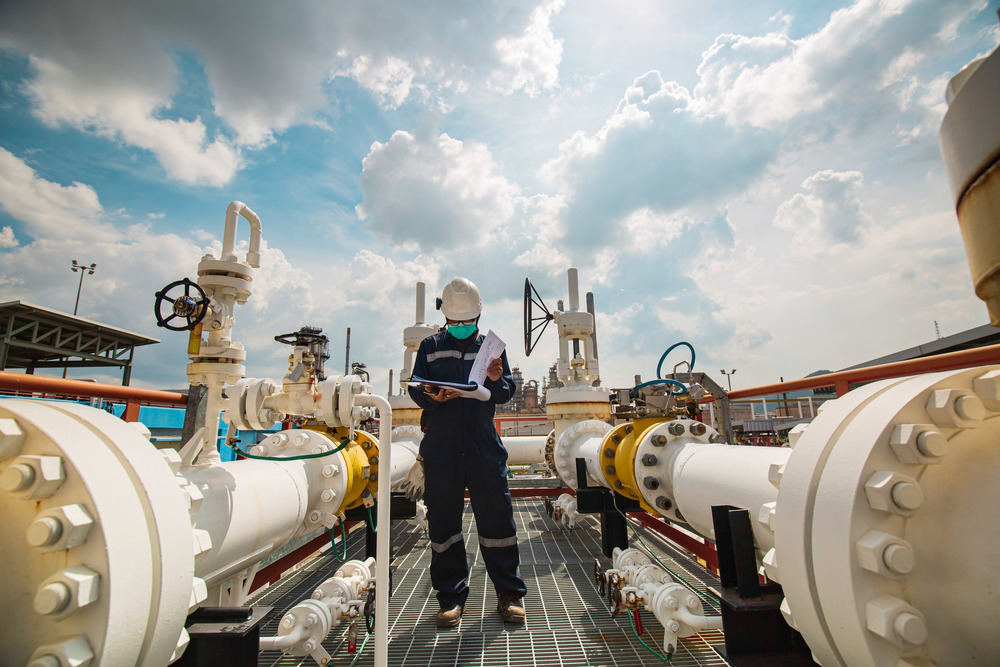

In the oil, gas, and industrial pipeline sectors, a pig station is a crucial infrastructure component used to ensure the efficiency, safety, and cleanliness of pipeline systems. Over time, pipelines can accumulate debris, sediments, and corrosion that reduce flow efficiency and increase the risk of damage or leakage. Pig stations allow for internal cleaning, inspection, and maintenance of pipelines without halting operations, using specialized tools called “pigs.” These tools are inserted into the line and travel through it, performing various tasks such as cleaning and data collection. The natural gas pig station, in particular, plays a vital role in maintaining high-pressure gas lines, ensuring optimal flow and minimizing environmental and operational risks.
So, what is a pig station in practical terms? It’s a designated area along the pipeline equipped with systems to launch or receive the pig device safely. These stations include high-pressure seals, secure locking mechanisms, and valves that control the insertion or retrieval of the pig. This setup helps detect potential threats like corrosion or blockages before they escalate into critical failures. The pigging process improves the overall operational lifespan of the system while reducing downtime and maintenance costs. When someone asks, what does pig station mean, it refers not only to the physical structure but also to the operational process that maintains pipeline health. A properly designed pig station ensures that pipeline networks meet safety standards and operate at peak efficiency—key for industries relying on uninterrupted fluid or gas transport.
A pig station is a specialized infrastructure unit installed along pipelines to allow for the controlled entry and exit of pigging devices. These devices—known as pigs—are inserted into the pipeline via launching stations and retrieved through receiving stations. They are used for internal cleaning, inspection, and even separation of different types of products within the same line. A pig station typically consists of valves, pressure monitoring systems, pig launchers or receivers, and secure access doors. The system is designed to handle high pressures and hazardous materials, making safety features critical. Pig stations are positioned strategically based on the length and layout of the pipeline.
In many industrial settings, especially in natural gas pig station applications, pig stations are integral to routine maintenance and operational reliability. The answer to “what is a pig station” lies in its multifunctional role: maintaining the cleanliness and structural integrity of pipelines. These stations are built to support manual or automated operation, depending on the scale of the pipeline system. Moreover, by allowing non-intrusive maintenance, pig stations reduce downtime and associated operational costs. The question “what does pig station mean” covers more than equipment—it includes the essential process of maintaining safe and efficient flow within complex pipeline networks
The primary purpose of a pig station is to ensure the operational health and efficiency of pipeline systems without the need to shut them down. It enables the insertion and retrieval of pigs—specialized tools that travel through the pipeline to clean internal surfaces, inspect for faults, and verify flow conditions. These tasks are critical in industries like oil, chemical, and especially natural gas pig station operations, where the stakes of a failure are high. Pig stations help prevent corrosion, detect deformities or leaks, and even separate different products within the same pipeline. They support both maintenance and monitoring without interrupting service.
Additionally, pig stations play a major role in safety management by allowing early detection of potential pipeline failures. For instance, inspection pigs equipped with sensors can provide real-time data about the pipeline’s condition. When people ask, “what does pig station mean,” it’s important to understand that its functions go far beyond hardware; it’s a preventive strategy that ensures long-term infrastructure integrity. A well-implemented pigging system minimizes environmental risk, reduces repair costs, and boosts the lifespan of pipeline networks. In essence, understanding what is a pig station means recognizing its value as a vital tool for system performance and reliability.
A pig station operates by allowing a pigging tool to enter or exit the pipeline through a controlled pressure system. First, the pig is inserted into a launching chamber, sealed, and pushed through the line by the product flow or external pressure. As it travels, it performs cleaning, inspection, or product separation duties. Once it reaches the end of the pipeline, it is collected at the receiving station. During this process, valves and safety interlocks ensure that there are no leaks or pressure hazards. In natural gas pig station systems, extra precautions are taken due to the flammable and high-pressure nature of the gas. The system design includes pressure monitoring, venting, and emergency shut-offs. So when someone asks what does pig station mean, it refers not only to the physical station but also to this vital maintenance process. To fully grasp what is a pig station, one must consider both its engineering function and its role in maintaining uninterrupted, safe pipeline operations.
A pig station is widely used across multiple industries, especially in oil, chemical, and gas sectors. Its main function is to enable non-intrusive maintenance of pipeline systems. In natural gas pig station operations, it ensures safe flow by regularly removing debris and inspecting for internal damage. Pig stations are essential in offshore drilling, long-distance transmission lines, and industrial processing plants. Their design supports varied pig types—cleaning, gauging, or intelligent pigs—depending on the task. The stations are tailored to accommodate pipeline pressure, diameter, and flow type. This flexibility makes them suitable for both large-scale and small-scale facilities. When someone asks, “what does pig station mean,” the answer includes these broad and vital applications. Understanding what is a pig station also involves recognizing its adaptability in harsh environments. From regular maintenance to emergency responses, pig stations are indispensable tools in pipeline asset management.
Pig stations come in various types depending on their function, level of automation, and pipeline configuration. The two primary types are launching stations and receiving stations. Launching stations are used to insert the pig into the pipeline, while receiving stations collect it after its run. These stations are strategically placed along the pipeline based on operational needs. A pig station may be designed as a standalone unit or integrated into a broader pipeline system. The configuration must match pipeline diameter, operating pressure, and flow characteristics. In natural gas pig station setups, additional safety features are usually integrated due to the high-risk nature of the fluid.
Pig stations can also be categorized based on their operation mode: manual or automatic. Manual stations require operators to perform physical tasks such as opening valves, inserting pigs, and sealing chambers. In contrast, automatic pig stations use programmable logic controllers (PLCs) and sensors to manage operations with minimal human intervention. This automation reduces human error and enhances safety, especially in hazardous environments. When asking “what does pig station mean,” it’s important to recognize that it may refer to different designs and control mechanisms. Understanding what is a pig station involves knowing these types and their application contexts.
Launching stations are the starting point of the pigging process, where the pig is inserted into the pipeline system. These units are designed to withstand high pressure and prevent leaks during insertion. A pig station of this type includes a loading chamber, sealing mechanism, and control valves to manage flow. In natural gas pig station applications, pressure testing and purge procedures are essential before pig deployment. The pig is pushed forward using the pressure of the flowing product or external force. Launching stations are often equipped with safety interlocks and pressure monitoring systems. These features protect both personnel and infrastructure. When someone asks, “what does pig station mean,” launching units are a fundamental part of the definition. They ensure that cleaning, inspection, or separation pigs enter the pipeline safely. Understanding what is a pig station must include a look at this critical initiation process.
Receiving stations are the endpoint where the pig exits the pipeline after completing its operation. This type of pig station is engineered to safely decelerate and capture the pig as it arrives, preventing impact damage. Key components include a pressure-controlled chamber, isolation valves, and safety vents. In natural gas pig station systems, receiving stations are designed to handle gas release with maximum control. Once the pig enters the chamber, pressure is reduced gradually before opening the unit. Technicians then remove the pig for inspection, cleaning, or reuse. These stations must be resistant to corrosion and pressure fatigue, especially in long-term operations. Their design contributes to safe and uninterrupted flow assurance. If someone asks, “what does pig station mean,” receiving stations are a core part of the answer. A complete understanding of what is a pig station includes both the starting and ending points of the pigging cycle
Pig stations can be classified by their control mechanisms as either manual or automatic. A pig station operated manually requires on-site personnel to handle insertion, retrieval, and valve management. In contrast, automatic systems utilize sensors, actuators, and PLCs for remote control and continuous monitoring. Natural gas pig station designs often favor automation for enhanced safety and precision. Manual systems are cost-effective but labor-intensive and may introduce human error. Automatic stations reduce operational risk and are ideal for high-pressure or hazardous environments. Both types include safety valves, pressure relief systems, and maintenance access points. When someone asks, “what does pig station mean,” these variations in operation style are part of the answer. Knowing what is a pig station includes understanding whether the system is managed by technicians directly or through automated control panels. The choice depends on factors like budget, safety protocols, and project scale.
Installing a pig station requires precise engineering and planning to ensure operational safety and efficiency. The process begins with assessing the pipeline’s material, pressure rating, flow type, and environmental conditions. Placement is key—stations must be accessible yet secure. Installation includes mounting components like launchers, receivers, valves, and seals, followed by leak and pressure testing. In natural gas pig station installations, special attention is paid to explosion-proof equipment and gas release systems. After installation, commissioning ensures all systems function correctly before active use.
Maintenance is equally vital to prevent failures and extend the station’s lifecycle. Routine inspections of valves, seals, and pressure indicators are necessary. Over time, corrosion, wear, or gasket fatigue can compromise performance. Maintenance should follow a scheduled plan, with documentation of each inspection. When someone asks, “what does pig station mean,” the answer includes not just function, but long-term care. Knowing what is a pig station means understanding it as a system that must be maintained as rigorously as it is designed.
The installation of a pig station starts with a site survey and engineering design tailored to pipeline specifications. After identifying optimal placement, technicians prepare the area by securing the pipeline and installing flanges or branches. Components such as the launcher, receiver, and pressure safety valves are then assembled. Welding, bolting, and alignment are carried out under strict standards. In natural gas pig station projects, gas detection and explosion-proof installations are mandatory. Once assembly is complete, hydrostatic and leak tests are performed. Electrical systems, if present, are also tested for signal and automation integrity. The station is then commissioned, meaning all functions are verified before going live. When someone asks, “what does pig station mean,” the installation process is a crucial part of the definition. Understanding what is a pig station includes knowing that safe and functional setup is key to long-term success.
Regular maintenance is essential to ensure that a pig station operates safely and efficiently throughout its service life. Without it, valves may seize, seals can degrade, and pressure systems may fail, risking costly downtime or accidents. Maintenance includes inspection of mechanical parts, lubrication, cleaning, and functional testing. In natural gas pig station environments, safety inspections are especially critical due to the volatility of the gas. Procedures must follow a strict schedule aligned with industry standards. Technicians document wear levels and replace parts before failure occurs. Remote monitoring tools may also be used to detect anomalies early. When someone asks, “what does pig station mean,” it includes not only structure and function but the ongoing care it requires. Understanding what is a pig station means knowing it’s a system that must be preserved through disciplined, preventive maintenance.
Even a well-built pig station can experience failures if not properly maintained. Common issues include stuck pigs, valve malfunctions, pressure loss, and sealing failures. These problems often result from corrosion, mechanical wear, or incorrect operation. In natural gas pig station setups, such failures pose greater safety risks due to the explosive nature of the product. Solutions involve immediate isolation of the station, venting of pressure, and removal of the pig using specialized retrieval tools. Preventive measures like frequent testing, condition monitoring, and operator training reduce the likelihood of such incidents. Component replacement with certified parts is also essential. When someone asks, “what does pig station mean,” part of the answer lies in understanding how to respond to failures. Knowing what is a pig station includes recognizing its vulnerabilities and the strategies to overcome them efficiently and safely.
Solar energy is a clean, renewable source of power that is rapidly gaining popularity across the world due to growing...
Devamını Oku
Machine design and manufacturing form the foundation of industrial engineering, transforming creative ideas into functional systems and products. This process...
Devamını Oku
PLC programming refers to the process of creating and implementing instructions for Programmable Logic Controllers (PLCs), enabling them to control...
Devamını OkuPROTECTION OF PERSONAL DATA
WEBSITE COOKIE POLICY
Your personal data; It is one of the leading principles of our Organization to protect the privacy of visitors to the website (www.adatech.com.tr) operated by ADATECH as the data controller. This Cookie Usage Policy (“Policy”) explains to all our website visitors and users which types of cookies are used and under what conditions.
Cookies are small text files stored on your device or network server by websites you visit on your computer or mobile device.
They are generally used to provide you with a personalized experience during your use of the website you visit, to improve the services offered and to improve your experience, and may contribute to ease of use while browsing a website. If you do not prefer the use of Cookies, you can delete or block Cookies in your browser settings. However, we would like to remind you that this may affect your use of our website. Unless you change your cookie settings in your browser, we will assume that you accept the use of cookies on this website.
1. WHAT KIND OF DATA IS PROCESSED IN COOKIES?
Cookies on websites, depending on their type, collect data about your browsing and usage preferences on the device you visit the site. This data includes information about the pages you access, the services and products you review, your preferred language option and other preferences.
2. WHAT is a solution and what are its intended uses?
Cookies are small text files that are stored on your device or network server through browsers by websites you visit. These small text files, which contain your preferred language and other settings on the site, help us remember your preferences the next time you visit the site and make improvements to our services to improve your experience on the site. Thus, you can have a better and personalized usage experience on your next visit.
The main purposes of using cookies on our Website are listed below:
3.TYPES OF COOKIES USED ON OUR WEBSITE
3.1. Oturum Çerezleri
Session cookies ensure that the website functions properly during your visit. They are used for purposes such as ensuring the security and continuity of our sites and you during your visit. Session cookies are temporary cookies, they are deleted when you close your browser and come to our site again, they are not permanent.
3.2. Persistent Cookies
These types of cookies are used to remember your preferences and are stored on your device via browsers. Persistent cookies remain stored even after you close your browser or restart your computer from which you visited our site. These cookies are kept in subfolders of your browser until they are deleted through your browser’s settings.
Some types of persistent cookies may be used to provide you with special suggestions, taking into account issues such as your purpose of using the Website.
Thanks to persistent cookies, if you visit our Website again with the same device, it is checked whether there is a cookie created by our Website on your device and if there is, it is understood that you have visited the site before and the content to be transmitted to you is determined accordingly and thus a better service is provided to you.
3.3. Mandatory/Technical Cookies
These cookies are essential for the website you visit to function properly. The purpose of such cookies is to provide necessary services by enabling the website to function. For example, it allows you to access secure parts of the website, to use its features, to navigate on it.
3.4. Analytical Cookies
They collect information about the way the website is used, the frequency and number of visits, and show how visitors navigate to the site. The purpose of using such cookies is to increase performance by improving the way the site functions and to determine the general trend direction. They do not contain data that could enable the identification of visitors. For example, they show the number of error messages displayed or the most visited pages.
3.5. Functional/Functional Cookies
It saves the choices made by the visitor within the site and remembers them on the next visit. The purpose of such cookies is to provide ease of use to visitors. For example, it prevents the site user from re-entering the user password on each page they visit.
3.6. Targeting/Advertising Cookies
They enable the measurement of the effectiveness of advertisements served to visitors and the calculation of the number of times the advertisements are viewed. The purpose of such cookies is to serve ads customized to the interests of visitors.
Likewise, they enable the detection of visitors’ interests specific to their browsing and the presentation of appropriate content. For example, it prevents the advertisement shown to the visitor from being shown again in a short time.
4. HOW TO MANAGE COOKIE PREFERENCES?
To change your preferences regarding the use of cookies or to block or delete cookies, simply change your browser settings.
Many browsers give you the option to accept or reject cookies, accept only certain types of cookies, or be alerted by the browser when a website requests to store cookies on your device so that you can control cookies.
It is also possible to delete cookies previously saved in your browser.
If you disable or refuse cookies, you may need to set some preferences manually, some features and services on the website may not function properly as we will not be able to recognize and associate your account. You can change the settings of your browser by clicking on the relevant link from the table below.
5. ENFORCEMENT OF WEBSITE PRIVACY POLICY
Website Privacy Policy …./…./…./…. . is dated. In case all or certain articles of the Policy are renewed, the effective date of the Policy will be updated. The Privacy Policy is published on the website of the Authority (www.adatech.com.tr) and made available to the relevant persons upon the request of the personal data owners.
ADATECH
Address: Esenyalı Neighborhood Yanyol Street Varyap Plaza No:61-148 Pendik / Istanbul
Telephone: +90 (216 ) 514 80 69
E-mail: info@adatech.com.tr
Web Address: www.adatech.com.tr