



What is PRMS? The Importance of Pressure Reduction and Metering Stations
PRMS (Pressure Reduction and Metering Stations) are critical components of natural gas infrastructure, ensuring the safe and efficient delivery of...
Devamını Oku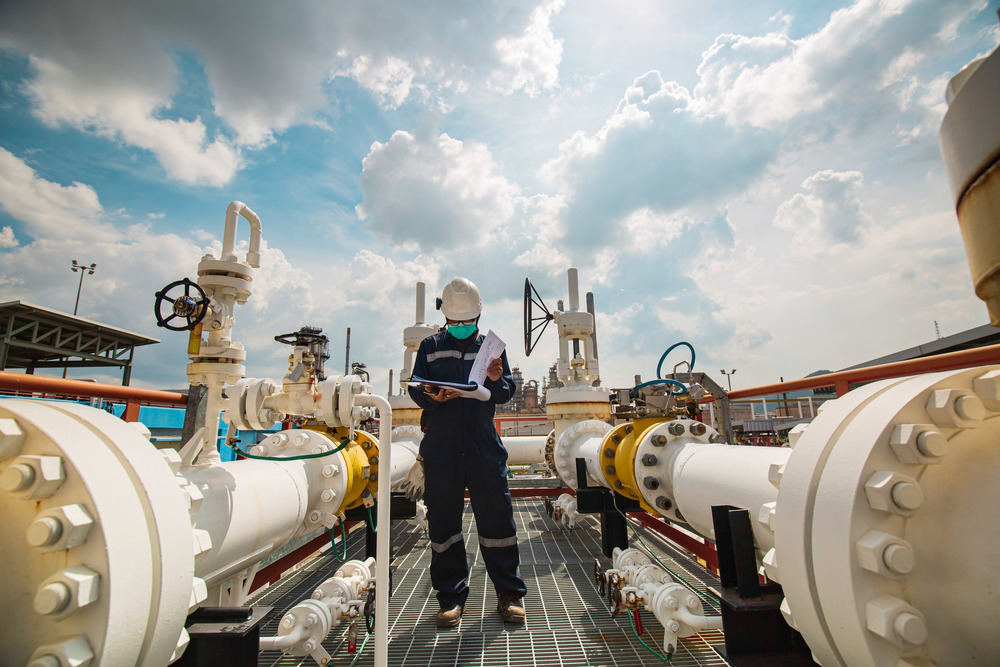
Solar energy is a clean, renewable source of power that is rapidly gaining popularity across the world due to growing energy demands and the need for environmentally friendly alternatives. It is derived from sunlight, which can be converted into electricity or heat through various technologies. As concerns over fossil fuel dependency and climate change increase, more people are asking, “what is solar energy and its applications?”.
Today, solar energy is used in a wide range of sectors—from residential rooftops to large-scale industrial facilities. It helps reduce electricity bills, minimizes carbon emissions, and supports sustainable energy production. Questions such as how solar energy works, what is solar energy used for, and how electricity is generated from solar energy have become increasingly relevant. In this article, we will explore the definition of solar energy, how it is produced and works, and examine its many applications across different industries.
Solar energy is a form of energy that comes from the sun’s radiation. It is considered one of the most sustainable and environmentally friendly sources of power available today. Through the use of solar panels and other technologies, sunlight is captured and converted into usable forms of energy, such as electricity or heat. The growing interest in renewable power sources has made many people search for clear answers to what is solar energy and how it can be used to reduce environmental impact.
The definition of solar energy includes both passive and active systems. Passive systems rely on building design and materials to collect heat, while active systems involve technologies like photovoltaic panels and solar thermal collectors. As solar technology becomes more advanced, it continues to play a major role in global energy transformation.
Solar energy is produced through the conversion of sunlight into usable energy forms such as electricity or heat. This process begins with solar radiation reaching the Earth’s surface. Photovoltaic (PV) cells, commonly found in solar panels, absorb the sunlight and convert it into direct current (DC) electricity. In order to make this electricity usable in homes and businesses, an inverter transforms it into alternating current (AC). This is the core method behind how electricity is generated from solar energy.
In addition to photovoltaic systems, solar thermal technologies use mirrors or collectors to concentrate sunlight and generate heat, which can be used for water heating or industrial processes. These systems demonstrate the variety of ways in which solar energy can be harvested. This is the answer to the question: how is solar energy generated?
Solar energy is renewable, sustainable, and non-polluting. It relies entirely on sunlight, making it an abundant and virtually limitless energy source. One of the key advantages is its ability to reduce carbon emissions without compromising energy demands. These basic characteristics of solar energy make it an ideal solution for meeting long-term global energy needs in a clean and cost-effective way.
Solar energy has a wide range of practical applications, making it a versatile source of power for both residential and industrial sectors. It is primarily used for electricity generation, water heating, lighting, and powering appliances. In areas without access to traditional power grids, solar systems offer a reliable and cost-effective solution. This makes solar technology essential in rural and remote regions.
The answer to what is solar energy used for extends beyond homes. In agriculture, it supports irrigation systems; in cities, it powers traffic lights and public lighting. In industries, it reduces operational costs and dependence on fossil fuels. Its ability to be scaled for different needs is what makes it such a powerful tool in the shift toward sustainable energy.
The process begins when sunlight hits solar panels made up of photovoltaic (PV) cells. These cells convert sunlight into direct current (DC) electricity. This electricity then passes through an inverter, which transforms it into alternating current (AC) — the type of power used in homes and businesses. This conversion explains how solar energy works on a basic technical level.
More advanced systems include battery storage, allowing excess energy to be saved for nighttime or cloudy days. Additionally, smart meters can monitor energy production and consumption in real-time. These features help optimize energy use, reduce reliance on the grid, and increase energy independence. As technology advances, solar energy systems continue to become more efficient and accessible to a wider range of users.
Applications of solar energy are growing rapidly across both residential and commercial sectors. In homes, solar panels are used for electricity generation, water heating, and even cooling. These systems reduce utility bills and provide long-term energy independence. Solar-powered lights, chargers, and heating systems are now common in many modern households.
In the commercial and industrial world, solar energy is applied in manufacturing, agriculture, transportation, and telecommunications. From powering factories to running irrigation systems, its versatility and sustainability offer cost savings and environmental benefits. As more governments and companies prioritize green energy, solar technology plays a key role in building a more sustainable future. These widespread uses answer the question: where is solar energy used?
Electricity generation from solar energy is one of the most common applications of solar technology. Homes and businesses install rooftop solar panels to reduce electricity costs and reliance on traditional power grids. These systems convert sunlight into usable electricity and can often generate surplus energy, which may be stored or sold back to the grid, offering financial and environmental benefits.
In farming, applications of solar energy include powering irrigation systems, especially in remote or off-grid areas. Solar-powered water pumps help reduce dependency on diesel or electric motors, lowering operational costs and emissions. These systems are sustainable, cost-effective, and ideal for improving agricultural productivity, especially in sunny regions with limited access to conventional energy infrastructure.
Industrial and commercial buildings increasingly adopt solar energy systems to reduce energy costs and meet sustainability goals. Large rooftop or ground-mounted solar arrays can power entire facilities, including machinery, lighting, and HVAC systems. These installations not only lower carbon emissions but also enhance energy independence, making solar energy a strategic investment for long-term operational efficiency.
Solar energy is widely used in transportation and public infrastructure through solar-powered street lights, traffic signals, and electric vehicle charging stations. Mobile solar units are also popular for outdoor activities and emergency use. These innovations show how solar energy works in dynamic environments, providing clean, off-grid power where traditional energy systems are unavailable or impractical.
PRMS (Pressure Reduction and Metering Stations) are critical components of natural gas infrastructure, ensuring the safe and efficient delivery of...
Devamını Oku
EPC, which stands for Engineering, Procurement and Construction, is a comprehensive project delivery model where a single contractor is responsible...
Devamını Oku
The efficient and reliable operation of solar power plants requires advanced monitoring and control technologies. In this context, GES scada...
Devamını OkuPROTECTION OF PERSONAL DATA
WEBSITE COOKIE POLICY
Your personal data; It is one of the leading principles of our Organization to protect the privacy of visitors to the website (www.adatech.com.tr) operated by ADATECH as the data controller. This Cookie Usage Policy (“Policy”) explains to all our website visitors and users which types of cookies are used and under what conditions.
Cookies are small text files stored on your device or network server by websites you visit on your computer or mobile device.
They are generally used to provide you with a personalized experience during your use of the website you visit, to improve the services offered and to improve your experience, and may contribute to ease of use while browsing a website. If you do not prefer the use of Cookies, you can delete or block Cookies in your browser settings. However, we would like to remind you that this may affect your use of our website. Unless you change your cookie settings in your browser, we will assume that you accept the use of cookies on this website.
1. WHAT KIND OF DATA IS PROCESSED IN COOKIES?
Cookies on websites, depending on their type, collect data about your browsing and usage preferences on the device you visit the site. This data includes information about the pages you access, the services and products you review, your preferred language option and other preferences.
2. WHAT is a solution and what are its intended uses?
Cookies are small text files that are stored on your device or network server through browsers by websites you visit. These small text files, which contain your preferred language and other settings on the site, help us remember your preferences the next time you visit the site and make improvements to our services to improve your experience on the site. Thus, you can have a better and personalized usage experience on your next visit.
The main purposes of using cookies on our Website are listed below:
3.TYPES OF COOKIES USED ON OUR WEBSITE
3.1. Oturum Çerezleri
Session cookies ensure that the website functions properly during your visit. They are used for purposes such as ensuring the security and continuity of our sites and you during your visit. Session cookies are temporary cookies, they are deleted when you close your browser and come to our site again, they are not permanent.
3.2. Persistent Cookies
These types of cookies are used to remember your preferences and are stored on your device via browsers. Persistent cookies remain stored even after you close your browser or restart your computer from which you visited our site. These cookies are kept in subfolders of your browser until they are deleted through your browser’s settings.
Some types of persistent cookies may be used to provide you with special suggestions, taking into account issues such as your purpose of using the Website.
Thanks to persistent cookies, if you visit our Website again with the same device, it is checked whether there is a cookie created by our Website on your device and if there is, it is understood that you have visited the site before and the content to be transmitted to you is determined accordingly and thus a better service is provided to you.
3.3. Mandatory/Technical Cookies
These cookies are essential for the website you visit to function properly. The purpose of such cookies is to provide necessary services by enabling the website to function. For example, it allows you to access secure parts of the website, to use its features, to navigate on it.
3.4. Analytical Cookies
They collect information about the way the website is used, the frequency and number of visits, and show how visitors navigate to the site. The purpose of using such cookies is to increase performance by improving the way the site functions and to determine the general trend direction. They do not contain data that could enable the identification of visitors. For example, they show the number of error messages displayed or the most visited pages.
3.5. Functional/Functional Cookies
It saves the choices made by the visitor within the site and remembers them on the next visit. The purpose of such cookies is to provide ease of use to visitors. For example, it prevents the site user from re-entering the user password on each page they visit.
3.6. Targeting/Advertising Cookies
They enable the measurement of the effectiveness of advertisements served to visitors and the calculation of the number of times the advertisements are viewed. The purpose of such cookies is to serve ads customized to the interests of visitors.
Likewise, they enable the detection of visitors’ interests specific to their browsing and the presentation of appropriate content. For example, it prevents the advertisement shown to the visitor from being shown again in a short time.
4. HOW TO MANAGE COOKIE PREFERENCES?
To change your preferences regarding the use of cookies or to block or delete cookies, simply change your browser settings.
Many browsers give you the option to accept or reject cookies, accept only certain types of cookies, or be alerted by the browser when a website requests to store cookies on your device so that you can control cookies.
It is also possible to delete cookies previously saved in your browser.
If you disable or refuse cookies, you may need to set some preferences manually, some features and services on the website may not function properly as we will not be able to recognize and associate your account. You can change the settings of your browser by clicking on the relevant link from the table below.
5. ENFORCEMENT OF WEBSITE PRIVACY POLICY
Website Privacy Policy …./…./…./…. . is dated. In case all or certain articles of the Policy are renewed, the effective date of the Policy will be updated. The Privacy Policy is published on the website of the Authority (www.adatech.com.tr) and made available to the relevant persons upon the request of the personal data owners.
ADATECH
Address: Esenyalı Neighborhood Yanyol Street Varyap Plaza No:61-148 Pendik / Istanbul
Telephone: +90 (216 ) 514 80 69
E-mail: info@adatech.com.tr
Web Address: www.adatech.com.tr