



What are Motion Control Systems? Technologies and Application Areas
In today’s industrial production processes, precision, efficiency, and automation play a crucial role. Motion control systems regulate the movement of...
Devamını Oku

In modern industrial automation, the m580 plc stands out as a powerful and flexible controller, designed to meet the complex needs of digital transformation. Developed by Schneider Electric, the M580 PLC is known as an Ethernet-based Programmable Automation Controller (ePAC). It provides real-time control, high processing speed, and full network integration, making it ideal for large-scale and data-intensive industrial systems. As industries evolve towards smarter operations under Industry 4.0 standards, the M580 PLC plays a pivotal role in connecting systems, enhancing performance, and enabling proactive decision-making.
This advanced controller offers seamless access to system data over Ethernet, allowing for instant monitoring and fast response to critical events. The M580 PLC minimizes downtime by detecting faults early and supports predictive maintenance. It also improves communication between devices and central systems, ensuring unified and synchronized operations. Equipped with robust cybersecurity features, modular hardware architecture, and scalability, the M580 PLC is not only a solution for today’s industrial needs but also a foundation for future-ready automation strategies. It is widely used in sectors such as energy, oil and gas, water treatment, and manufacturing, where reliability and speed are crucial.
The m580 plc is a next-generation automation controller developed by Schneider Electric, categorized as an ePAC—Ethernet Programmable Automation Controller. Unlike traditional PLCs, the M580 is designed with an open Ethernet-based architecture that allows seamless communication between industrial systems. This openness makes it a highly flexible and scalable solution, adaptable to a wide range of applications. The M580 supports both discrete and process automation, which enables it to manage everything from simple machine control to complex plant operations.
In essence, the M580 PLC functions as the brain of an automation system. It gathers real-time data from field devices, processes it according to user-defined logic, and sends commands to actuators to control physical operations. It also facilitates smooth integration with SCADA, MES, and ERP systems, ensuring end-to-end visibility and management. With embedded cybersecurity features and compatibility with various industrial communication protocols, the M580 PLC stands as a reliable and secure foundation for smart automation systems. Its design enables industries to reduce operational risks, optimize productivity, and future-proof their automation infrastructure.
The m580 plc offers a robust set of technical features that make it suitable for high-demand industrial environments. At its core, the M580 is built on a dual-core processor architecture that delivers high-speed data processing and real-time responsiveness. This enables the controller to efficiently manage complex operations across distributed systems. With memory capacity ranging from 4 MB up to 16 MB, it can handle large programs and store extensive process data, making it ideal for enterprise-level automation projects.
Another key aspect of the M580 PLC is its modular hardware configuration. Users can choose from a wide variety of I/O modules, communication interfaces, and power supplies to build a tailored automation solution. It supports hot-swappable components, which allows for maintenance or upgrades without system downtime. The controller also meets the IEC 61131-3 programming standards, offering compatibility with multiple programming languages such as Ladder Diagram (LD), Structured Text (ST), and Function Block Diagram (FBD). Additionally, advanced cybersecurity protocols are integrated to protect systems against unauthorized access. With web server capabilities and remote diagnostics, the M580 ensures both high performance and maximum uptime in demanding industrial environments.
The m580 plc features a modular and scalable hardware design, allowing users to configure the system based on specific application needs. At the center of its architecture is the CPU module, which houses a high-performance processor and built-in Ethernet ports for direct network connectivity. The system supports a wide range of digital and analog I/O modules that can be mounted on a DIN rail, making installation straightforward and flexible. These modules communicate via a high-speed backplane, ensuring efficient data exchange between components.
The M580’s hardware also includes communication modules, redundancy options, and safety modules, allowing it to function in mission-critical environments. Power supply modules ensure stable operation, and the hot-swapping capability means modules can be replaced or added without halting the entire system. This flexibility is particularly valuable in industries where downtime translates to significant costs. Designed for durability, the M580’s hardware can operate in harsh industrial conditions while maintaining high reliability and performance.
One of the defining strengths of the m580 plc is its support for a wide range of industrial communication protocols. As an Ethernet-based controller, it natively supports Modbus TCP/IP and EtherNet/IP, enabling seamless integration with various devices and systems. This open communication capability allows the M580 to act as a central hub in complex industrial networks. It can communicate with SCADA, DCS, and MES platforms, enhancing system-wide visibility and control.
Additionally, the M580 PLC supports protocols such as OPC UA, SNMP, FTP, and DNP3, offering flexibility for data sharing, remote monitoring, and diagnostics. Optional communication modules also enable connections with legacy systems using PROFIBUS, CANopen, or serial interfaces. With embedded web server functionality, users can access system data and diagnostics remotely via a standard browser. This extensive protocol support ensures that the M580 PLC can operate efficiently in diverse environments, offering both interoperability and scalability in industrial automation projects.
The m580 plc is engineered for high performance, making it suitable for complex, data-intensive industrial applications. Equipped with a powerful dual-core processor running at 600 MHz, the M580 ensures fast execution of control logic, short cycle times, and reliable real-time response. This is essential for applications such as process control, batch automation, and high-speed manufacturing lines, where precision and speed are critical.
In addition to its processing power, the M580 offers scalable memory options, with up to 16 MB of program memory and extended data storage capacity. This allows the controller to handle large-scale automation programs without compromising speed or stability. The M580 also supports concurrent execution of multiple tasks, improving overall system efficiency. Combined with its deterministic behavior and advanced diagnostics, the M580 PLC provides the performance backbone needed to drive modern, interconnected industrial systems with confidence.
The m580 plc serves as the central intelligence of an industrial automation system. Its main function is to monitor input data from field devices, process that data according to programmed logic, and issue output commands to control machinery, equipment, or processes. This enables the automation of repetitive, time-sensitive, or hazardous tasks with precision and consistency. Whether it’s managing conveyor systems, regulating fluid flows, or coordinating robotic arms, the M580 ensures all operations run smoothly and efficiently.
Beyond basic control functions, the M580 PLC offers advanced capabilities like real-time data analytics, remote monitoring, and integration with enterprise-level software systems. It can also communicate with cloud platforms for predictive maintenance and centralized management. This positions the M580 not just as a device controller but as a smart automation hub. Its ability to reduce manual intervention, increase uptime, and improve production accuracy makes it an indispensable tool for any industrial operation aiming to optimize performance and embrace digital transformation.
The m580 plc is widely used across various industrial sectors due to its flexibility, robustness, and advanced communication capabilities. In the energy industry, it plays a crucial role in monitoring and controlling electrical distribution networks, power plants, and renewable energy systems. In oil and gas, the M580 manages drilling operations, pipeline monitoring, and safety systems with high reliability in remote or harsh environments. Its real-time performance and remote access features make it ideal for critical infrastructure.
In water and wastewater treatment plants, the M580 PLC controls pumps, valves, filtration systems, and chemical dosing with high precision. The manufacturing industry also benefits from its high-speed data processing and modularity, using it for tasks such as assembly line control, packaging, and quality assurance. Additionally, sectors like pharmaceuticals, food and beverage, automotive, and transportation implement M580 PLCs to streamline operations and ensure compliance with strict industry standards. Wherever automation, safety, and connectivity are required, the M580 PLC is a proven solution.
The m580 plc offers numerous advantages that make it a top choice for industrial automation projects. One of its most notable benefits is its open Ethernet architecture, which allows seamless integration with various devices and systems. This enhances scalability and flexibility, enabling engineers to adapt the system to changing production needs. The controller also supports hot-swappable modules, which means hardware can be replaced or added without stopping operations—an essential feature for minimizing downtime.
Another key advantage is its built-in cybersecurity features, such as user authentication, encrypted communications, and access control, which help protect critical infrastructure. The M580’s high processing power and large memory capacity allow it to handle complex tasks and large datasets, making it suitable for high-performance applications. It also offers remote access and diagnostics, reducing the need for on-site intervention and speeding up maintenance. With support for multiple programming languages and compatibility with modern software platforms, the M580 PLC improves both operational efficiency and long-term system sustainability.
When selecting an m580 plc for an automation project, it’s important to evaluate several key factors to ensure optimal performance and long-term reliability. First, assess the scale and complexity of the application. For systems with multiple devices and high-speed data processing requirements, a high-performance CPU and sufficient memory capacity are essential. The number and type of I/O modules should also be considered to match the specific control and monitoring needs of the project.
Another critical factor is communication compatibility. Ensure that the PLC supports the necessary industrial protocols—such as Modbus TCP/IP, EtherNet/IP, or OPC UA—to integrate seamlessly with existing infrastructure. Cybersecurity is equally important; look for features like firewall protection, encrypted data exchange, and role-based user access. Environmental conditions also play a role—choose modules rated for temperature, vibration, or dust exposure if operating in harsh settings. Lastly, consider expandability and support, including software tools, documentation, and technical assistance, to future-proof the automation system and streamline system maintenance.
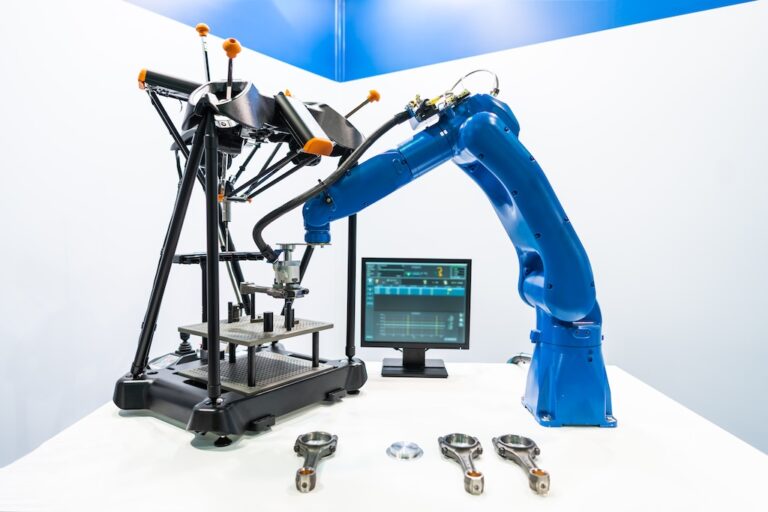
In today’s industrial production processes, precision, efficiency, and automation play a crucial role. Motion control systems regulate the movement of...
Devamını Oku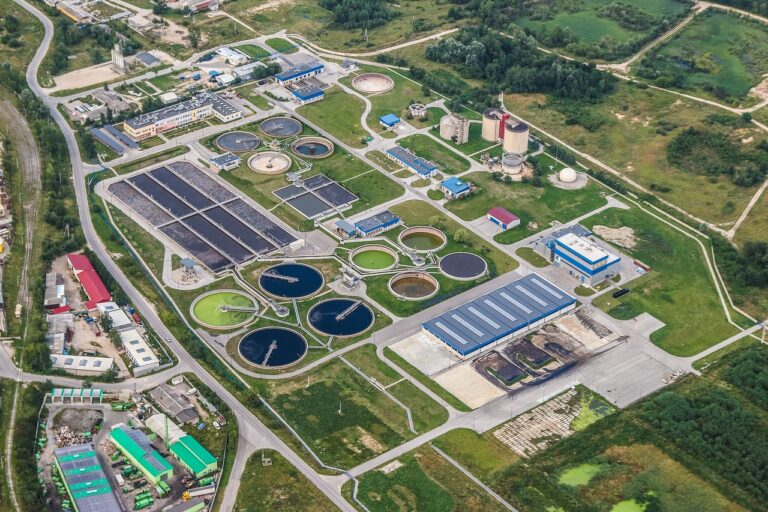
Wastewater treatment systems are advanced infrastructures designed to remove contaminants from domestic, industrial, and commercial wastewater before it is released...
Devamını Oku
An industrial router is a highly durable and advanced networking device designed to deliver reliable and uninterrupted internet connectivity in...
Devamını OkuPROTECTION OF PERSONAL DATA
WEBSITE COOKIE POLICY
Your personal data; It is one of the leading principles of our Organization to protect the privacy of visitors to the website (www.adatech.com.tr) operated by ADATECH as the data controller. This Cookie Usage Policy (“Policy”) explains to all our website visitors and users which types of cookies are used and under what conditions.
Cookies are small text files stored on your device or network server by websites you visit on your computer or mobile device.
They are generally used to provide you with a personalized experience during your use of the website you visit, to improve the services offered and to improve your experience, and may contribute to ease of use while browsing a website. If you do not prefer the use of Cookies, you can delete or block Cookies in your browser settings. However, we would like to remind you that this may affect your use of our website. Unless you change your cookie settings in your browser, we will assume that you accept the use of cookies on this website.
1. WHAT KIND OF DATA IS PROCESSED IN COOKIES?
Cookies on websites, depending on their type, collect data about your browsing and usage preferences on the device you visit the site. This data includes information about the pages you access, the services and products you review, your preferred language option and other preferences.
2. WHAT is a solution and what are its intended uses?
Cookies are small text files that are stored on your device or network server through browsers by websites you visit. These small text files, which contain your preferred language and other settings on the site, help us remember your preferences the next time you visit the site and make improvements to our services to improve your experience on the site. Thus, you can have a better and personalized usage experience on your next visit.
The main purposes of using cookies on our Website are listed below:
3.TYPES OF COOKIES USED ON OUR WEBSITE
3.1. Oturum Çerezleri
Session cookies ensure that the website functions properly during your visit. They are used for purposes such as ensuring the security and continuity of our sites and you during your visit. Session cookies are temporary cookies, they are deleted when you close your browser and come to our site again, they are not permanent.
3.2. Persistent Cookies
These types of cookies are used to remember your preferences and are stored on your device via browsers. Persistent cookies remain stored even after you close your browser or restart your computer from which you visited our site. These cookies are kept in subfolders of your browser until they are deleted through your browser’s settings.
Some types of persistent cookies may be used to provide you with special suggestions, taking into account issues such as your purpose of using the Website.
Thanks to persistent cookies, if you visit our Website again with the same device, it is checked whether there is a cookie created by our Website on your device and if there is, it is understood that you have visited the site before and the content to be transmitted to you is determined accordingly and thus a better service is provided to you.
3.3. Mandatory/Technical Cookies
These cookies are essential for the website you visit to function properly. The purpose of such cookies is to provide necessary services by enabling the website to function. For example, it allows you to access secure parts of the website, to use its features, to navigate on it.
3.4. Analytical Cookies
They collect information about the way the website is used, the frequency and number of visits, and show how visitors navigate to the site. The purpose of using such cookies is to increase performance by improving the way the site functions and to determine the general trend direction. They do not contain data that could enable the identification of visitors. For example, they show the number of error messages displayed or the most visited pages.
3.5. Functional/Functional Cookies
It saves the choices made by the visitor within the site and remembers them on the next visit. The purpose of such cookies is to provide ease of use to visitors. For example, it prevents the site user from re-entering the user password on each page they visit.
3.6. Targeting/Advertising Cookies
They enable the measurement of the effectiveness of advertisements served to visitors and the calculation of the number of times the advertisements are viewed. The purpose of such cookies is to serve ads customized to the interests of visitors.
Likewise, they enable the detection of visitors’ interests specific to their browsing and the presentation of appropriate content. For example, it prevents the advertisement shown to the visitor from being shown again in a short time.
4. HOW TO MANAGE COOKIE PREFERENCES?
To change your preferences regarding the use of cookies or to block or delete cookies, simply change your browser settings.
Many browsers give you the option to accept or reject cookies, accept only certain types of cookies, or be alerted by the browser when a website requests to store cookies on your device so that you can control cookies.
It is also possible to delete cookies previously saved in your browser.
If you disable or refuse cookies, you may need to set some preferences manually, some features and services on the website may not function properly as we will not be able to recognize and associate your account. You can change the settings of your browser by clicking on the relevant link from the table below.
5. ENFORCEMENT OF WEBSITE PRIVACY POLICY
Website Privacy Policy …./…./…./…. . is dated. In case all or certain articles of the Policy are renewed, the effective date of the Policy will be updated. The Privacy Policy is published on the website of the Authority (www.adatech.com.tr) and made available to the relevant persons upon the request of the personal data owners.
ADATECH
Address: Esenyalı Neighborhood Yanyol Street Varyap Plaza No:61-148 Pendik / Istanbul
Telephone: +90 (216 ) 514 80 69
E-mail: info@adatech.com.tr
Web Address: www.adatech.com.tr