



What is Transformer Maintenance? When and How Is It Done?
Transformer maintenance refers to the systematic inspection, testing, cleaning, and repair of transformers to ensure their optimal performance and prevent...
Devamını Oku
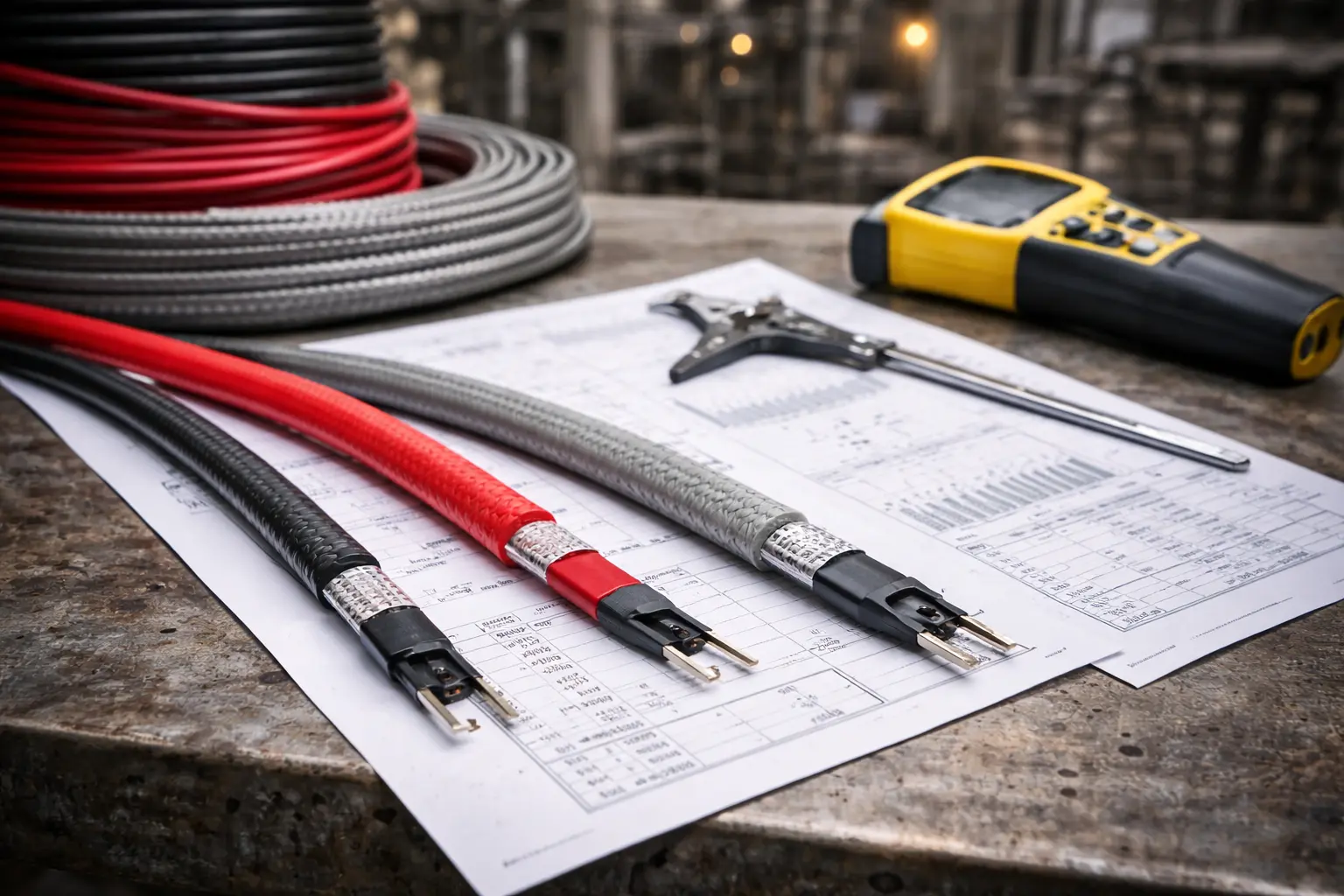
Heat tracing systems play a critical role in maintaining process reliability, preventing freezing, and ensuring consistent temperature control across industrial applications. However, the effectiveness of these systems largely depends on selecting the right cable. A poorly chosen cable can lead to energy inefficiency, operational failures, or even safety risks, while the correct selection ensures optimal performance and long-term reliability.
Cable selection for heat tracing is not simply a technical task handled by engineers; it is a multidisciplinary decision-making process involving engineering, procurement, and project management teams. In 2026, with rising energy costs and stricter sustainability targets, selecting the correct cable has become even more important. Businesses are now expected to balance performance, safety compliance, and operational cost efficiency when designing heat tracing systems.
Understanding the fundamentals of heat tracing is essential before diving into cable selection. If you need a deeper overview, you can explore What is heat tracing?. Additionally, reviewing different application scenarios through heat tracing systems pages can provide valuable context for decision-making.
There is no one-size-fits-all solution in cable selection. The right cable depends on multiple variables, including temperature requirements, environmental conditions, pipe or equipment structure, and system operating characteristics. Selecting a cable without evaluating these parameters can result in either underperformance or unnecessary energy consumption.
This guide is designed to provide a clear and practical answer to one key question: Which cable should be selected in which situation? By following a structured approach and understanding the main criteria, decision-makers can ensure both technical accuracy and long-term cost efficiency.
The most critical step in selecting the right cable for heat tracing systems is accurately defining the application need. Without a clear understanding of what the system is expected to achieve, even the most advanced cable technology will fail to deliver optimal results. Heat tracing applications vary significantly, from simple freeze protection to maintaining precise process temperatures, and each scenario requires a different approach.
Defining the need involves identifying key parameters such as the minimum or maximum temperature to be maintained, system operating conditions, and whether the system will run continuously or intermittently. In 2026, where energy efficiency and sustainability targets are more prominent than ever, this step also plays a crucial role in minimizing energy consumption and reducing operational costs. A well-defined requirement ensures that the selected cable is neither overdesigned nor insufficient.
This stage should not be handled solely by engineering teams. Procurement and project stakeholders must also be involved to align technical requirements with budget and long-term operational goals. A structured needs analysis forms the foundation for all subsequent technical decisions, ensuring that the system performs efficiently throughout its lifecycle.
Freeze protection and process temperature maintenance represent two fundamentally different objectives in heat tracing systems, and understanding this distinction is essential for proper cable selection. Freeze protection focuses on preventing fluids from dropping below a critical temperature, typically just above freezing. These applications usually require lower power output and are less sensitive to precise temperature control.
In contrast, process temperature protection requires maintaining a specific and often narrow temperature range to ensure product quality or process efficiency. This is common in industries such as chemical processing, oil & gas, and food production. These applications demand more precise control, higher performance cables, and often integrated control systems. Selecting the wrong cable type here can result in process instability or product degradation.
Each type of asset—pipes, tanks, and equipment—has unique heat tracing requirements, and treating them the same can lead to inefficient or ineffective system performance. Pipes, being linear and relatively uniform, are generally easier to calculate in terms of heat loss and cable requirements. However, variables such as diameter, insulation, and fluid type must still be carefully evaluated.
Tanks and large vessels, on the other hand, present more complex challenges due to their larger surface areas and higher heat loss potential. Ensuring uniform heat distribution across the entire surface requires more strategic cable placement and often higher power capacity. Equipment-based applications, such as valves or pumps, may require localized heating solutions, making cable selection and installation more specialized.
Selecting the right cable for heat tracing systems requires a detailed evaluation of key technical criteria that directly impact system performance, energy efficiency, and operational safety. These criteria go beyond simple product specifications and involve a comprehensive understanding of how the system will behave under real operating conditions. Ignoring these factors can lead to underperforming systems or unnecessary energy consumption.
Among the most important parameters are line length, pipe diameter, ambient temperature, heat loss, and insulation characteristics. Each of these elements contributes to determining the required power output and the most suitable cable type. In 2026, with increasing pressure to optimize energy usage and reduce carbon emissions, precise technical calculations have become essential rather than optional.
A well-engineered heat tracing system considers all these variables together rather than in isolation. This integrated approach ensures that the selected cable not only meets immediate operational needs but also supports long-term efficiency and reliability. Proper technical assessment ultimately minimizes lifecycle costs and reduces the risk of system failure.
Line length and pipe diameter are among the most influential physical factors in determining the required heating capacity. Longer pipelines result in greater cumulative heat loss, which means the cable must deliver sufficient power over extended distances. Similarly, as pipe diameter increases, the surface area exposed to ambient conditions grows, leading to higher heat demand.
Surface structure also plays a significant role in heat transfer efficiency. Smooth and uniform surfaces allow for more consistent heat distribution, while complex structures with valves, flanges, and fittings create localized heat loss points. These irregularities must be accounted for during cable selection and layout design to ensure uniform temperature maintenance across the system.
Ambient temperature is a critical external factor that directly affects how much heat the system must generate. In colder environments, the temperature difference between the process fluid and the surroundings increases, resulting in higher heat loss. This requires cables with greater output capacity to maintain the desired temperature.
Heat loss calculations form the engineering backbone of cable selection. These calculations consider multiple variables, including ambient conditions, insulation properties, and system geometry. Accurate heat loss estimation ensures that the selected cable provides just enough power—avoiding both underheating and excessive energy consumption. This balance is key to achieving energy-efficient operation.
Insulation thickness has a direct impact on the overall efficiency of a heat tracing system. Proper insulation reduces heat loss, allowing lower power cables to maintain the required temperature. This not only decreases energy consumption but also reduces the load on electrical infrastructure.
Power requirements should be determined based on both steady-state operation and worst-case scenarios, such as system startup or extreme weather conditions. Selecting a cable with insufficient capacity can lead to performance issues, while oversizing increases operational costs. Therefore, achieving the right balance between insulation performance and cable power is essential for a cost-effective and reliable system.
Choosing the correct heat trace cable type is one of the most decisive steps in designing an efficient and reliable heat tracing system. Each cable type is engineered with a specific working principle, temperature range, and application scenario in mind. Therefore, selecting the wrong type can lead to inefficiencies, safety risks, or unnecessary costs. The goal is not to choose the “best” cable, but the most appropriate one for the given conditions.
Heat trace cables are generally categorized into three main types: self-regulating, constant wattage, and mineral-insulated cables. Each type serves a distinct purpose and performs best under certain operational and environmental conditions. In 2026, with increasing emphasis on energy optimization and compliance with safety standards, making the right selection has become even more critical for both performance and long-term cost management.
Understanding the differences between these cable types allows decision-makers to match the right technology with the right application. This ensures not only operational reliability but also optimized energy consumption and reduced maintenance requirements over time.
Self-regulating cables are designed to automatically adjust their power output based on the surrounding temperature. As the temperature drops, the cable increases its heat output; as the temperature rises, it reduces power consumption. This dynamic behavior makes them highly energy-efficient and adaptable to varying environmental conditions.
These cables are particularly suitable for freeze protection applications and systems where temperature requirements are relatively moderate. They are also advantageous in complex piping systems where temperature variations may occur along the line. Additionally, their inherent resistance to overheating reduces the need for complex control systems, making them a safe and cost-effective solution for many standard applications.
Constant wattage cables provide a fixed power output along their entire length, regardless of ambient temperature changes. This makes them ideal for applications where maintaining a stable and consistent temperature is critical. Industries that rely on precise process control often prefer this type of cable.
However, because they do not self-adjust, these cables require external control systems such as thermostats or sensors to prevent overheating and ensure efficiency. When properly integrated with control components, constant wattage cables offer reliable and predictable performance, especially in long pipeline systems or processes that demand uniform heat distribution.
Mineral-insulated cables are specifically designed for extreme conditions where high temperature resistance and mechanical durability are essential. These cables can operate in environments with very high temperatures that would exceed the limits of other cable types, making them suitable for heavy industrial applications such as petrochemical plants and power generation facilities.
Their robust construction provides excellent resistance to mechanical damage, corrosion, and harsh environmental factors. However, they are more complex to install and generally involve higher upfront costs. For this reason, they are typically selected only when the application demands exceptional durability and performance under extreme conditions.
In heat tracing systems, site conditions play a decisive role in determining the appropriate cable type and configuration. Even if all technical calculations are correct, ignoring environmental factors can significantly reduce system performance and lifespan. Each installation environment introduces unique challenges, from moisture exposure to chemical corrosion and mechanical stress.
By 2026, stricter safety regulations and sustainability goals have made it essential to evaluate site conditions in detail before finalizing cable selection. Environmental compatibility is no longer optional—it is a core requirement for ensuring operational reliability and compliance. Selecting a cable that is not suited to the installation environment can lead to premature failures, increased maintenance costs, and potential safety hazards.
A comprehensive site assessment ensures that both the cable type and its protective features—such as outer sheath materials and installation methods—are aligned with real-world conditions. This approach helps maintain system integrity and ensures long-term, trouble-free operation.
Humid and corrosive environments present some of the most challenging conditions for heat tracing systems. Cables installed in such areas are continuously exposed to moisture, chemicals, and sometimes extreme weather conditions. Without proper protection, these factors can degrade cable insulation and outer jackets, leading to system failures over time.
For outdoor applications, additional considerations such as UV resistance, temperature fluctuations, and water ingress protection become critical. Cables must be selected with durable outer sheath materials that can withstand these conditions. Proper sealing of connections and junction points is equally important to prevent moisture penetration and ensure long-term reliability.
In hazardous areas where explosive gases or dust may be present, cable selection becomes a matter of safety as well as performance. Heat tracing systems used in these environments must comply with strict international standards and certifications to prevent ignition risks. This includes selecting cables and components that are specifically designed for hazardous locations.
Explosion-proof (Ex-rated) cables and accessories are essential in such applications. In addition, system design must consider factors such as maximum surface temperature, fault conditions, and proper grounding. Failing to meet these requirements can result in serious safety incidents and regulatory non-compliance. Therefore, cable selection in explosive environments must always be carried out with expert engineering oversight.
Mistakes in cable selection are among the most common causes of inefficiency and failure in heat tracing systems. These errors typically stem from incomplete analysis, incorrect assumptions, or a lack of coordination between engineering and procurement teams. While some mistakes may seem minor during the design phase, they often lead to significant operational issues, increased maintenance costs, and reduced system lifespan.
In 2026, where energy efficiency, safety compliance, and lifecycle cost optimization are critical priorities, such mistakes carry even greater consequences. Poor cable selection can result in excessive energy consumption, unstable temperature control, or even hazardous situations in sensitive environments. Therefore, understanding and avoiding these common pitfalls is essential for ensuring both technical success and financial efficiency.
A structured and informed approach to cable selection—supported by accurate data and cross-functional collaboration—can eliminate most of these risks. Below are the most frequently encountered mistakes and how they impact system performance.
One of the most frequent mistakes is choosing a cable type that does not match the application’s requirements. For instance, using a high-capacity cable for simple freeze protection leads to unnecessary energy consumption and increased initial costs. On the other hand, selecting a low-capacity cable for process temperature maintenance can result in insufficient heating and process instability.
This issue usually arises from a lack of proper needs assessment or misunderstanding of cable capabilities. Each cable type is designed for specific conditions, and mismatching them can compromise both efficiency and reliability. Proper evaluation of temperature requirements, environmental conditions, and operational expectations is essential to avoid this mistake.
Another critical mistake is focusing solely on the cable while overlooking the importance of control and protection systems. Heat tracing is not just about heating—it is about controlled and safe heating. Without proper control components such as thermostats, sensors, and circuit protection devices, even the best cable cannot perform effectively.
Neglecting these components can lead to overheating, energy waste, and potential equipment damage. This is especially important for constant wattage systems, which require precise external control to operate safely. A well-designed heat tracing system must integrate both the cable and its control infrastructure as a unified solution.
Proper cable selection in heat tracing systems delivers far more than just correct temperature maintenance—it creates measurable advantages across energy efficiency, operational reliability, and long-term cost management. When the right cable is matched to the correct application, the system operates at optimal performance without unnecessary energy consumption or technical strain. This balance is especially critical in 2026, where businesses are under increasing pressure to reduce energy usage while maintaining high operational standards.
One of the most immediate benefits is improved energy efficiency. Selecting a cable with the correct power output ensures that only the required amount of heat is generated, preventing both underheating and overheating. This directly reduces electricity consumption and lowers operating expenses. Over time, even small efficiency gains translate into significant cost savings, particularly in large-scale industrial facilities.
Another key advantage is enhanced system reliability and safety. Properly selected cables minimize the risk of failures such as overheating, insulation damage, or insufficient heating. This leads to fewer unplanned shutdowns and ensures continuous operation, which is critical in industries where downtime can result in major financial losses. Additionally, selecting cables that comply with environmental and safety requirements reduces the risk of accidents and ensures regulatory compliance.
Correct cable selection also extends the lifespan of both the heat tracing system and the associated equipment. Systems that operate within their designed capacity experience less wear and tear, reducing the frequency of maintenance and replacement. This not only lowers maintenance costs but also allows operational teams to focus on more strategic tasks rather than constant system interventions.
From a broader perspective, proper cable selection supports sustainability goals by reducing energy waste and lowering carbon emissions. Companies that invest in optimized heat tracing systems contribute to environmental responsibility while also strengthening their corporate reputation. This is increasingly important as industries move toward greener and more efficient operations.
Ultimately, the right cable selection transforms heat tracing from a basic utility into a strategic investment. It ensures lower operating costs, higher system performance, improved safety, and long-term reliability—making it a critical factor in the overall success of industrial operations.
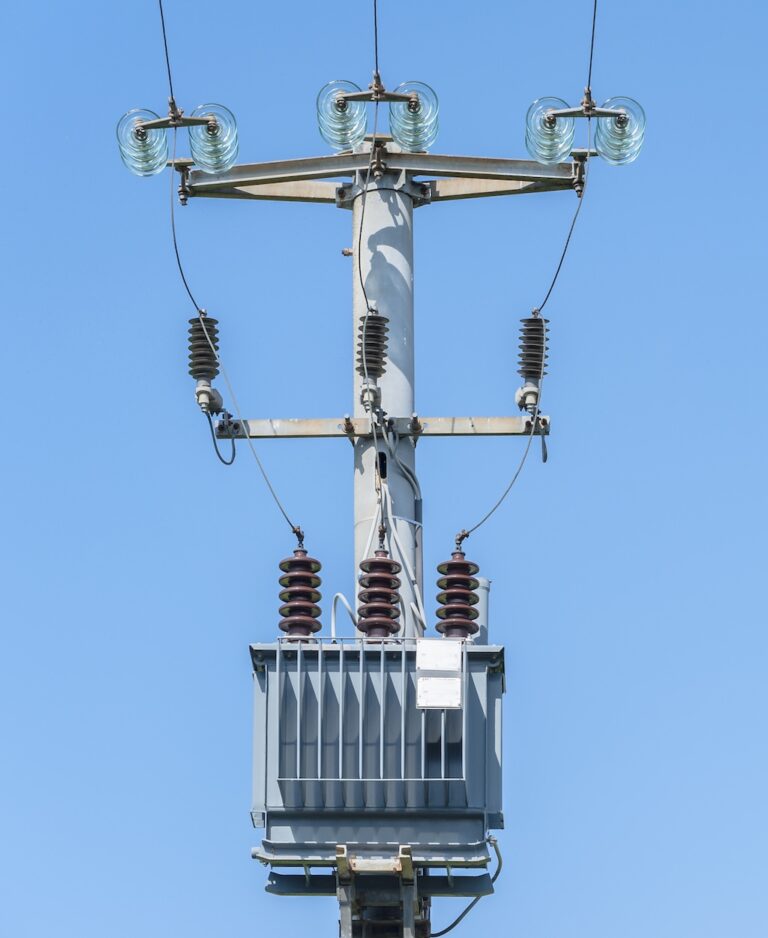
Transformer maintenance refers to the systematic inspection, testing, cleaning, and repair of transformers to ensure their optimal performance and prevent...
Devamını Oku
Industrial automation systems play a critical role in ensuring that production processes operate efficiently, safely, and continuously. In modern facilities,...
Devamını Oku
Smart energy management refers to the use of advanced technologies and integrated systems to monitor, control, and optimize energy consumption...
Devamını Oku