



Heat Tracing Design Criteria in Oil and Gas Facilities
Heat tracing systems play a critical role in ensuring operational continuity, safety, and efficiency in oil and gas facilities. Pipelines,...
Devamını Oku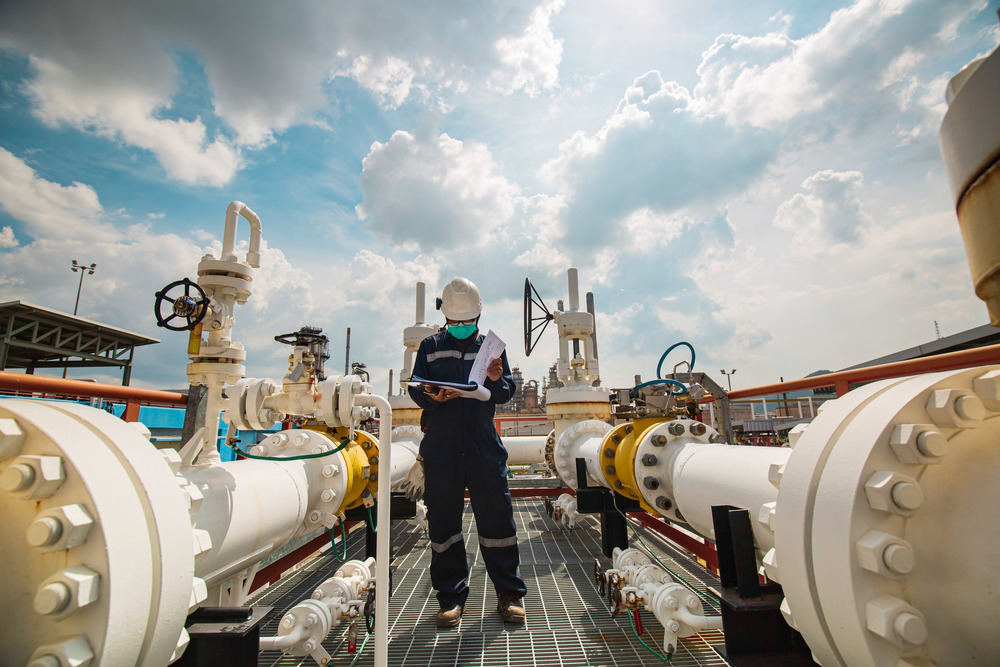
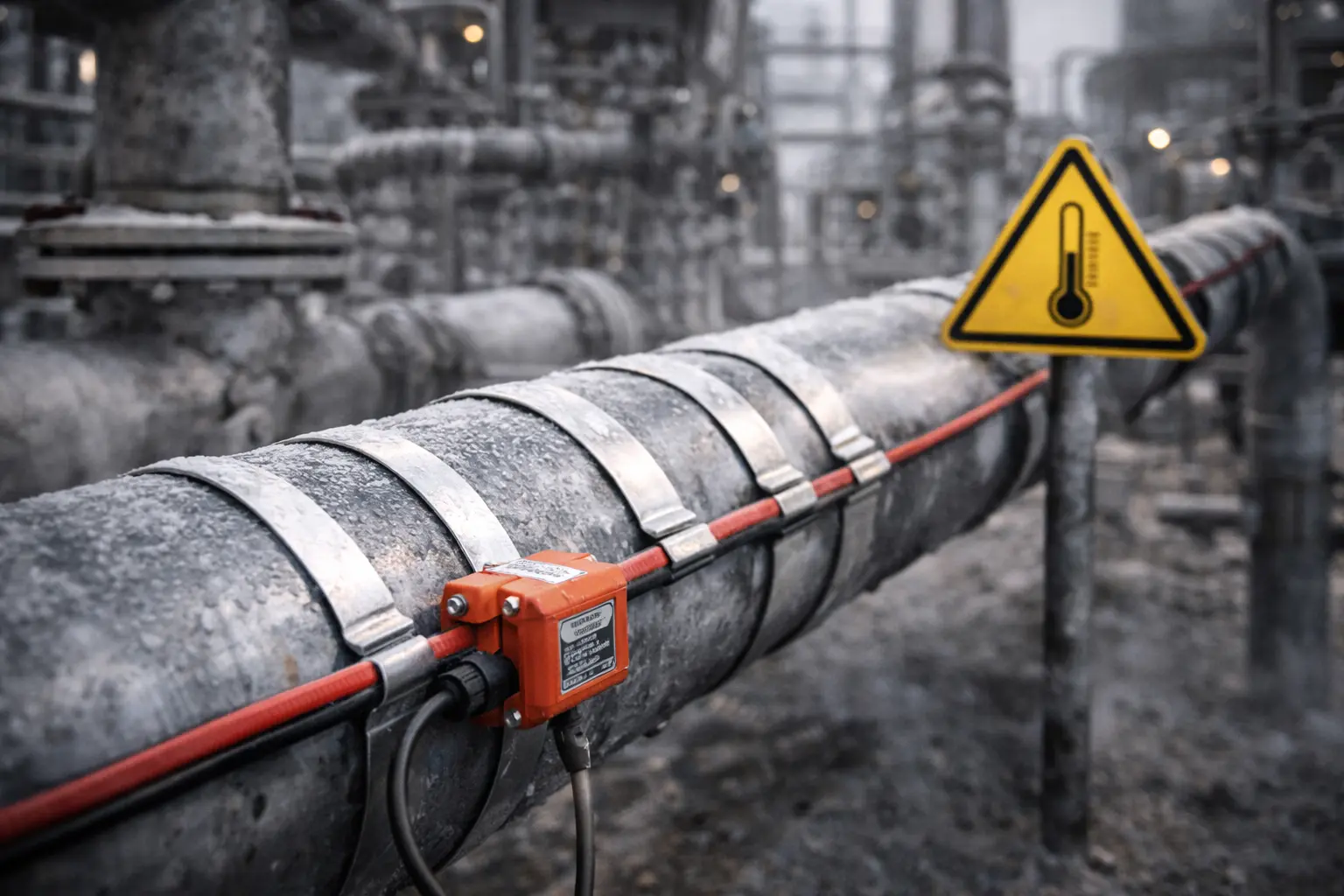
A self-regulating heat trace cable is an advanced electrical heating solution designed to maintain or raise the temperature of pipes, tanks, and process equipment. It is widely used in industrial and commercial environments where temperature control is critical for operational continuity. Unlike conventional heating cables, this system automatically adjusts its heat output based on ambient conditions, ensuring efficient and safe operation without manual intervention.
In modern industrial applications, maintaining consistent temperature levels is essential to prevent process disruptions and equipment damage. A heat tracing cable plays a key role in preventing freezing, maintaining fluid viscosity, and ensuring smooth system operation. Especially in sectors such as oil and gas, chemical processing, and energy, these systems contribute directly to productivity and system reliability.
As we move into 2026, energy efficiency and sustainability have become top priorities for businesses. Self-regulating systems are increasingly preferred because they only consume energy when needed, reducing operational costs while supporting environmental goals. Their ability to adapt to temperature fluctuations makes them ideal for dynamic environments where conditions change frequently.
Another critical function of these systems is their role as a freeze protection system. In cold climates, pipelines carrying water or other fluids are at risk of freezing, which can lead to costly downtime and damage. Self-regulating heat trace cables provide a reliable solution by maintaining the required temperature automatically across the entire system.
These cables are not limited to industrial use. They are also widely applied in commercial buildings for roof and gutter de-icing, ensuring proper drainage and preventing structural damage. Their flexible design allows them to be customized for different applications, making them a versatile solution across multiple sectors.
For a deeper understanding of the fundamentals, you can explore What is heat tracing?. Additionally, modern heat tracing systems offer integrated solutions that combine cables, control units, and monitoring systems to optimize performance and safety.
Overall, self-regulating heat trace cables represent a smart investment for businesses aiming to improve safety, efficiency, and long-term cost management. Their growing adoption reflects the increasing demand for intelligent and sustainable engineering solutions in today’s industrial landscape.
A self-regulating heat trace cable is a specialized electrical heating cable designed to maintain or increase the temperature of pipes, tanks, and industrial equipment. Unlike constant wattage cables, it can automatically adjust its heat output depending on the surrounding temperature. This smart behavior makes it highly efficient and safe for applications where temperature stability is critical.
At its core, the cable consists of two parallel conductors embedded in a semi-conductive polymer matrix. This matrix reacts dynamically to temperature changes. When the ambient temperature drops, the material allows more electrical current to pass through, generating more heat. When the temperature rises, the material restricts current flow, reducing heat output. This self-adjusting mechanism eliminates the need for complex external controls in many applications.
In industrial environments, maintaining process temperatures is essential to ensure fluid flow, prevent crystallization, and avoid system downtime. A heat tracing cable provides consistent thermal management, especially in pipelines transporting sensitive or temperature-dependent materials. This makes it a crucial component in industries such as oil and gas, chemical processing, and food production.
From a design perspective, these cables offer significant flexibility. They can be cut to required lengths on-site without affecting performance, which simplifies installation and reduces waste. Additionally, their ability to operate safely even when overlapping makes them ideal for complex layouts and tight spaces.
In 2026, with increasing emphasis on energy optimization and operational efficiency, self-regulating systems have become a preferred solution. They reduce unnecessary energy consumption while maintaining precise temperature control. This contributes to both cost savings and sustainability goals, aligning with modern industrial standards.
Another key benefit is their integration capability with advanced monitoring and automation systems. When combined with sensors and control panels, they provide real-time performance data, enabling predictive maintenance and minimizing unexpected failures. This level of control enhances overall system reliability.
Furthermore, self-regulating heat trace cables play a critical role in freeze protection systems. By automatically maintaining temperatures above freezing levels, they prevent blockages, pipe bursts, and costly repairs. This is especially valuable in regions with harsh winter conditions or fluctuating temperatures.
Overall, a self-regulating heat trace cable is not just a heating solution but a smart thermal management system that enhances safety, efficiency, and operational continuity across a wide range of applications.
A self-regulating heat trace cable operates using an intelligent heating mechanism based on a semi-conductive polymer core that reacts to temperature changes. Inside the cable, two parallel bus wires run through this სპეცი structure, allowing electrical current to flow along the entire length. The key to its functionality lies in how this polymer core dynamically adjusts its electrical resistance depending on the surrounding temperature.
When the ambient temperature drops, the polymer core contracts on a molecular level, creating more conductive pathways between the bus wires. This allows more electrical current to pass through the cable, increasing heat output precisely where it is needed. As a result, colder areas of the cable automatically generate more heat, ensuring consistent temperature maintenance across pipes or equipment.
Conversely, when the surrounding temperature rises, the polymer expands, reducing the number of conductive pathways. This increases electrical resistance and limits the current flow, which in turn reduces heat output. This continuous adjustment process enables the cable to regulate itself without requiring constant external control, making it highly efficient and reliable.
One of the most significant advantages of this working principle is its ability to respond locally. Different sections of the same cable can produce varying levels of heat simultaneously, depending on their exposure to temperature conditions. This is especially beneficial in long pipeline systems where some sections may be exposed to colder environments than others.
Additionally, the self-regulating nature of the cable eliminates the risk of overheating. Even if the cable overlaps or crosses over itself, it automatically reduces heat output in those areas. This built-in safety feature makes it ideal for complex installations and enhances operational safety in industrial environments.
In 2026, as industries prioritize automation and smart infrastructure, these cables are often integrated into broader heat tracing systems. With the addition of sensors and control panels, operators can monitor performance in real time, optimize energy usage, and ensure uninterrupted operation. This combination of autonomous regulation and system integration makes it a future-ready solution.
Energy efficiency is another critical outcome of this working mechanism. Since the cable only consumes the power required to maintain the desired temperature, it avoids unnecessary energy usage. This leads to lower operational costs and supports sustainability goals, which are increasingly important in modern engineering projects.
Overall, the working principle of a self-regulating heat trace cable provides a balance of precision, safety, and efficiency. Its ability to automatically adapt to environmental conditions makes it a superior choice for maintaining temperature stability in both industrial and commercial applications.
Self-regulating heat trace cables offer a range of advantages that make them a preferred solution in modern industrial and commercial applications. One of the most significant benefits is their ability to automatically adjust heat output based on ambient temperature. This ensures that the system operates efficiently under varying environmental conditions without requiring constant manual control or complex automation systems.
Another key advantage is enhanced safety. Traditional heating cables can overheat if not properly controlled, leading to potential hazards such as insulation damage or fire risks. In contrast, self-regulating cables inherently limit their heat output as temperatures rise, significantly reducing the risk of overheating. This makes them especially suitable for sensitive and hazardous environments.
Energy efficiency is also a major factor driving the adoption of these systems, particularly as we move through 2026 where sustainability and cost optimization are top priorities. Since the cable only consumes energy when and where it is needed, it minimizes unnecessary power usage. This leads to lower operational costs and supports environmentally responsible practices.
In addition, these systems contribute to operational continuity. By maintaining consistent temperatures in pipelines, tanks, and equipment, they prevent freezing, blockages, and process interruptions. This reliability is crucial for industries where downtime can result in significant financial losses.
From an installation perspective, self-regulating heat trace cables are highly flexible. They can be cut to length on-site, adapted to complex geometries, and safely overlapped without risk of failure. This simplifies installation and reduces material waste, making them cost-effective in both initial setup and long-term use.
Maintenance is another area where these systems excel. Their durable construction and self-regulating properties reduce wear and tear, leading to longer service life and fewer maintenance requirements. This helps businesses optimize maintenance schedules and reduce unexpected repair costs.
Furthermore, these cables can be integrated into advanced heat tracing systems, allowing for real-time monitoring and control. This integration enhances system visibility, enabling predictive maintenance and better energy management strategies.
Overall, self-regulating heat trace cables provide a balanced combination of safety, efficiency, flexibility, and reliability. These advantages make them an essential component in modern thermal management solutions across various industries.
One of the most defining features of a self-regulating heat trace cable is its ability to adjust heat output automatically according to ambient temperature changes. This ensures that each section of the cable produces only the amount of heat required, eliminating inefficiencies associated with constant-output systems.
This adaptive behavior not only improves system performance but also enhances safety. By preventing excessive heat generation, it protects both the cable and the surrounding infrastructure, ensuring long-term reliability and reduced operational risks.
Energy efficiency is a core advantage of self-regulating systems. By consuming power only when necessary, these cables significantly reduce energy waste compared to traditional heating methods. This makes them an ideal solution for businesses aiming to lower energy costs and meet sustainability targets.
In terms of safety, the self-limiting characteristic of the cable minimizes overheating risks. This is particularly important in industrial environments where safety standards are strict and reliable operation is essential for protecting both personnel and equipment.
Self-regulating heat trace cables are designed for minimal maintenance and easy operation. Their robust structure and intelligent working principle reduce the likelihood of system failures, allowing for long-term, trouble-free performance.
Additionally, their compatibility with monitoring and control systems simplifies operation. Facility managers can easily track system performance and make adjustments when needed, improving overall efficiency and reducing downtime.
Self-regulating heat trace cables are widely used across multiple industries due to their flexibility, safety, and efficiency. These systems are particularly preferred in applications where maintaining a consistent temperature is critical to prevent operational disruptions. From industrial pipelines to commercial buildings, they provide reliable thermal management solutions tailored to varying environmental conditions.
In industrial sectors such as oil and gas, chemical processing, and energy, these cables are essential for maintaining process temperatures and ensuring fluid flow. Without proper temperature control, materials can solidify, leading to blockages and costly downtime. A well-designed heat tracing system ensures continuous operation and protects infrastructure from temperature-related damage.
Beyond industrial use, self-regulating heat trace cables are also commonly applied in commercial and residential buildings. They are used to prevent ice formation on roofs and ensure proper drainage in gutters and downspouts. As of 2026, increasing climate variability and stricter safety requirements have further expanded their usage in both infrastructure and facility management projects.
These systems are also a core component of modern heat tracing systems, which integrate cables with sensors, control panels, and monitoring tools. This integration allows for real-time performance tracking and improved energy efficiency, making them a future-ready solution for temperature control challenges.
For foundational knowledge, you can review What is heat tracing? to better understand how these systems function as a whole.
Freeze protection is one of the most common applications of self-regulating heat trace cables. In cold environments, pipelines carrying water, chemicals, or other fluids are at risk of freezing, which can lead to blockages, pressure buildup, and even pipe bursts.
By maintaining the temperature above freezing levels, these cables ensure uninterrupted flow and system reliability. This is especially critical in industrial facilities where downtime can result in significant operational and financial losses.
In tanks and storage systems, maintaining a stable temperature is essential for preserving product quality and ensuring process efficiency. Self-regulating heat trace cables are used to prevent temperature drops that could affect viscosity, crystallization, or chemical stability.
This application is particularly important in industries dealing with sensitive or temperature-dependent materials. By providing consistent heat distribution, the system supports safe storage and efficient transfer of materials.
Ice formation on roofs and drainage systems can cause structural damage and safety hazards. Self-regulating heat trace cables are installed in these areas to prevent snow and ice buildup, ensuring proper water flow and reducing the risk of accidents.
This application is widely used in commercial buildings, warehouses, and public infrastructure. It not only enhances safety but also helps extend the lifespan of building components by preventing water damage and ice-related stress.
Selecting the right self-regulating heat trace cable is critical to ensuring optimal system performance, energy efficiency, and long-term reliability. An incorrect selection can lead to insufficient heating, excessive energy consumption, or even system failure. Therefore, it is essential to evaluate technical requirements, environmental conditions, and system compatibility before making a decision.
The first step in the selection process is understanding the specific application needs. Different industries and use cases require different temperature ranges and performance characteristics. For example, freeze protection systems require maintaining temperatures just above freezing, while process temperature maintenance may demand higher and more stable heat output. Identifying these requirements ensures that the correct cable type and power rating are chosen.
Another important factor is system design. Parameters such as pipe diameter, insulation thickness, and ambient temperature directly influence heat loss calculations. Proper engineering analysis is necessary to determine the correct cable output and installation method. This is especially important in large-scale industrial projects where efficiency and safety are critical.
Environmental conditions must also be carefully considered. Cables used in outdoor applications should be resistant to UV exposure, moisture, and mechanical stress. In industrial environments, resistance to chemicals and harsh conditions is equally important. As of 2026, stricter safety and performance standards have made it essential to select products that meet both environmental and operational demands.
Additionally, compatibility with control and monitoring systems is a key consideration. Modern heat tracing systems often include sensors, thermostats, and control panels that enable real-time monitoring and automation. Choosing a cable that integrates seamlessly with these components enhances system efficiency and simplifies operation.
Finally, certification and compliance play a vital role. Products used in hazardous or regulated environments must meet international standards such as ATEX or IECEx. These certifications ensure that the system operates safely and reliably under specified conditions, reducing risks and ensuring compliance with industry regulations.
Determining the correct temperature requirement is essential when selecting a self-regulating heat trace cable. Each application has a specific temperature range that must be maintained, and the cable’s power output should match this requirement. Choosing a cable with insufficient output can result in ineffective heating, while excessive output may lead to unnecessary energy consumption.
Cable length is another critical factor. Longer pipelines or larger systems require careful planning to ensure uniform heat distribution. Proper calculations help achieve efficient performance and prevent heat loss across the system.
Ambient conditions such as temperature extremes, humidity, and exposure to sunlight significantly impact cable performance. For outdoor installations, UV-resistant and waterproof cables are necessary to ensure durability and long-term operation.
Insulation also plays a crucial role in system efficiency. High-quality insulation reduces heat loss and allows the cable to operate more effectively. A well-insulated system requires less energy to maintain the desired temperature, improving overall efficiency.
Certification is a key requirement, especially in industrial and hazardous environments. Cables must comply with international safety standards to ensure reliable operation. Certifications such as ATEX and IECEx indicate that the product is suitable for use in explosive or high-risk areas.
System compatibility is equally important. The selected cable should work seamlessly with existing control units, sensors, and monitoring systems. This integration allows for better control, improved safety, and optimized energy usage, making the entire system more efficient and easier to manage.
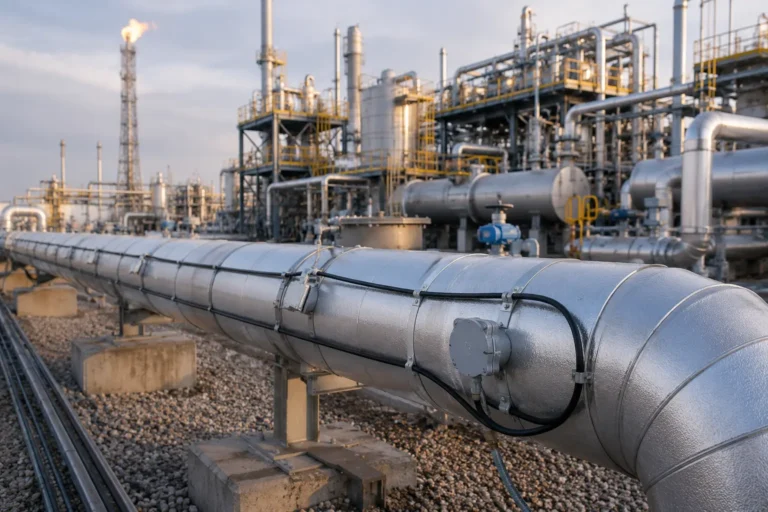
Heat tracing systems play a critical role in ensuring operational continuity, safety, and efficiency in oil and gas facilities. Pipelines,...
Devamını Oku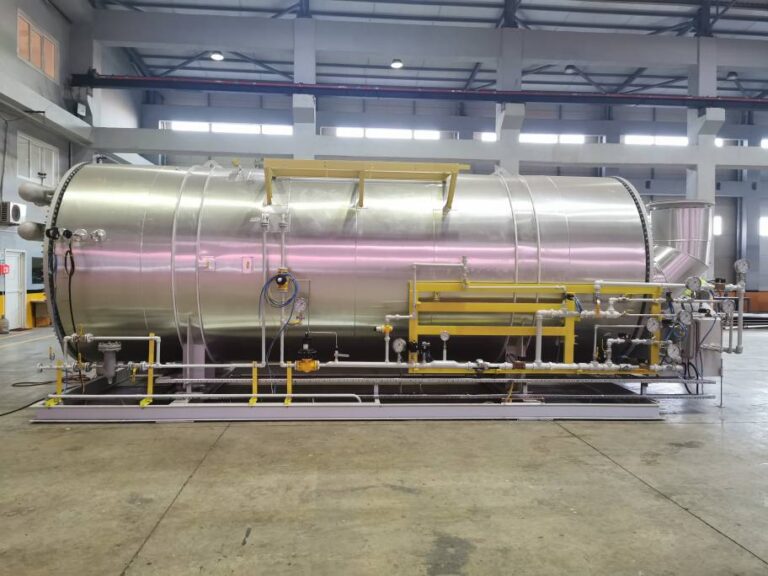
Water bath heaters are crucial in various industrial applications, offering a safe and efficient method for heating different types of...
Devamını Oku
Machine automation systems are essential technologies used to improve production efficiency, reduce human error, and enhance product quality in industrial...
Devamını Oku