



What is HVAC? How Does the HVAC System Work?
HVAC stands for “Heating, Ventilation, and Air Conditioning,” representing systems designed to control the indoor climate by regulating temperature, humidity,...
Devamını Oku

In today’s industrial world, digital transformation has become a cornerstone of business success and competitive advantage. It refers to the comprehensive integration of digital technologies into all areas of an organization, resulting in fundamental changes to how businesses operate and deliver value to customers. From production lines to energy management, from decision-making to customer service, digital transformation touches every aspect of business operations, helping companies become more agile, efficient, and data-driven.
The question what is digital transformation goes beyond technology alone. It is a strategic, cultural, and operational shift that includes automation systems, artificial intelligence, cloud infrastructure, and IoT-enabled smart systems. In this new era of smart transformation, companies are no longer just adopting new tools—they are redefining the way they work. Digital transformation solutions are key to optimizing operations, reducing costs, and creating future-ready business models. Engineering firms like Adatech play a crucial role by providing innovative, industry-specific digital solutions that support this transformation at every stage.
What is digital transformation? It is the process of leveraging digital technologies to create or improve business processes, culture, and customer experiences to meet changing business and market requirements. This transformation is not only about implementing new tools; it’s about fundamentally rethinking how an organization operates. From data collection to automation, and from cloud computing to smart manufacturing, digital transformation allows businesses to evolve faster and more efficiently.
More than just adopting technology, digital transformation involves shifting mindsets, restructuring workflows, and creating a culture of innovation. It requires aligning digital initiatives with strategic goals, empowering teams with real-time data, and embracing agility. When implemented effectively, it helps companies gain operational excellence, reduce costs, and deliver better value to customers across all channels.
The evolution of digital transformation has been shaped by decades of technological innovation. It began with the introduction of basic computer systems in business operations and advanced rapidly with the rise of the internet, which enabled faster communication and access to information. As digital tools became more accessible, businesses began automating tasks and collecting data for better decision-making. Over time, technologies like mobile connectivity, cloud computing, and big data analytics pushed digital transformation from an IT concern to a strategic business necessity.
Today, the development process of digital transformation is driven by smart technologies like AI, machine learning, and the Internet of Things (IoT). These tools enable real-time insights, predictive analytics, and autonomous systems. As a result, businesses can adapt quickly, scale operations efficiently, and remain competitive in an ever-changing global market.
Digital transformation is not a one-size-fits-all approach—it is built on several foundational elements that must work in harmony. These include data-driven decision-making, automation and AI integration, cloud computing, and IoT-based smart systems. These components enable companies to gather real-time insights, automate complex processes, and respond quickly to market demands. Beyond technology, leadership alignment, cultural readiness, and continuous improvement also play critical roles in long-term success.
Modern digital transformation solutions are designed to connect these elements seamlessly within an organization. Whether it’s through intelligent automation, predictive analytics, or cloud infrastructure, each piece of the transformation puzzle contributes to operational agility and strategic growth. When integrated properly, these elements empower businesses to create smarter workflows, deliver better services, and compete in an increasingly digital economy.
A key pillar of digital transformation is building a culture where decisions are based on accurate, real-time data rather than assumptions or outdated reports. By harnessing analytics and business intelligence tools, organizations can uncover trends, reduce risks, and make faster, smarter decisions. This culture shift fosters transparency, accountability, and agility across all levels of the business.
Integrating automation and artificial intelligence (AI) is central to digital transformation, enabling businesses to streamline operations, reduce human error, and boost efficiency. From robotic process automation to predictive analytics, AI-driven systems help organizations anticipate challenges, personalize customer experiences, and accelerate productivity. This integration transforms manual workflows into intelligent, self-optimizing systems that adapt to changing demands in real time.
Cloud technologies provide the backbone for scalable, flexible, and cost-effective digital transformation solutions. They allow businesses to store, access, and process data from anywhere, enabling greater collaboration and efficiency. Paired with secure infrastructure, cloud systems protect sensitive information from cyber threats. Together, they ensure data integrity, business continuity, and the agility needed to adapt in a dynamic digital landscape.
IoT-based smart systems are one of the most impactful answers to the question what is digital transformation. These systems connect devices, sensors, and machines to the internet, enabling real-time monitoring, automation, and data collection. In industrial settings, IoT improves efficiency, predictive maintenance, and remote control—turning traditional operations into intelligent, interconnected ecosystems that respond to data instantly.
Digital transformation provides businesses with the tools and technologies to operate more efficiently, reduce costs, and respond quickly to changing market conditions. Automation and data analytics streamline operations, while cloud infrastructure ensures scalability and business continuity. These improvements help companies make better decisions, reduce downtime, and improve customer satisfaction through faster, more personalized services.
Beyond operational efficiency, digital transformation fosters innovation by enabling businesses to experiment with new models and enter emerging markets. It supports a culture of agility and continuous improvement, empowering teams to adapt and grow. Whether it’s through smart factories, real-time data analysis, or secure digital systems, companies gain a competitive edge and long-term sustainability in today’s fast-paced digital economy.
Adatech delivers industry-focused digital transformation solutions that combine engineering expertise with advanced technologies. From industrial automation to energy monitoring, SCADA systems to IoT integration, Adatech empowers businesses to modernize their operations. Each solution is tailored to meet specific industry needs—ensuring reliability, scalability, and measurable efficiency gains. Adatech’s solutions help businesses digitize processes, enhance visibility, and optimize performance in real time.
With a strong presence in sectors such as oil, gas, manufacturing, and infrastructure, Adatech provides end-to-end digital integration. Every project is aligned with international standards and built to deliver long-term value. By adopting Adatech’s innovative technologies, companies gain the digital infrastructure they need to thrive in an evolving, competitive market while ensuring seamless adaptation to future challenges.
Adatech offers advanced industrial automation systems that form the core of digital transformation in manufacturing and production environments. These systems streamline operations by minimizing manual intervention, reducing errors, and increasing throughput. Through intelligent control, real-time monitoring, and seamless integration, businesses can achieve consistent quality, lower costs, and improved operational efficiency across their industrial infrastructure.
Adatech’s energy monitoring and management systems are essential components of modern digital transformation solutions. These tools provide real-time insights into energy usage, helping businesses identify inefficiencies, reduce costs, and support sustainability goals. With intelligent tracking and automated controls, organizations can ensure optimal energy performance while aligning with environmental standards and boosting long-term operational resilience.
By combining SCADA systems with IoT technology, Adatech delivers powerful solutions for centralized control and real-time data analysis. These integrations allow businesses to monitor and manage industrial processes remotely and efficiently. A practical answer to what is digital transformation, this synergy enhances decision-making, predictive maintenance, and process automation—driving smarter, data-driven operations across the enterprise.
Adatech enables the creation of intelligent, connected production environments through its smart factory applications. Powered by automation, AI, and IoT, these solutions help manufacturers achieve agility, precision, and scalability. As a leading example of digital transformation, smart factories enable real-time monitoring, adaptive workflows, and data-driven decision-making—turning traditional plants into future-ready, self-optimizing systems.
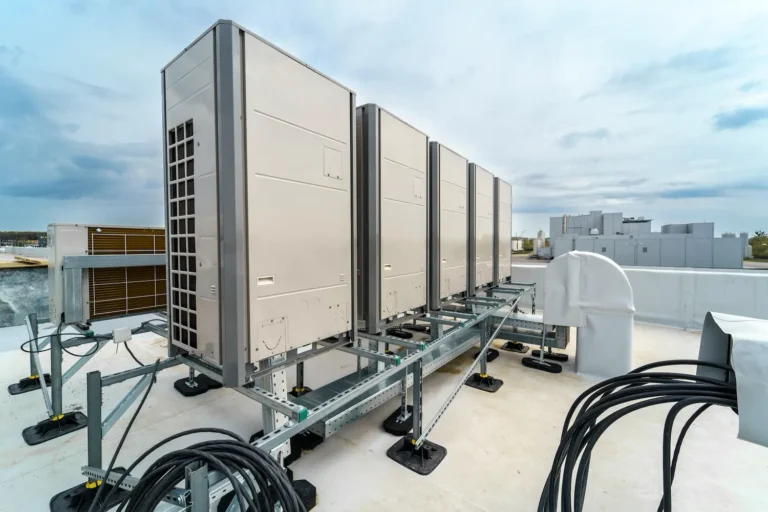
HVAC stands for “Heating, Ventilation, and Air Conditioning,” representing systems designed to control the indoor climate by regulating temperature, humidity,...
Devamını Oku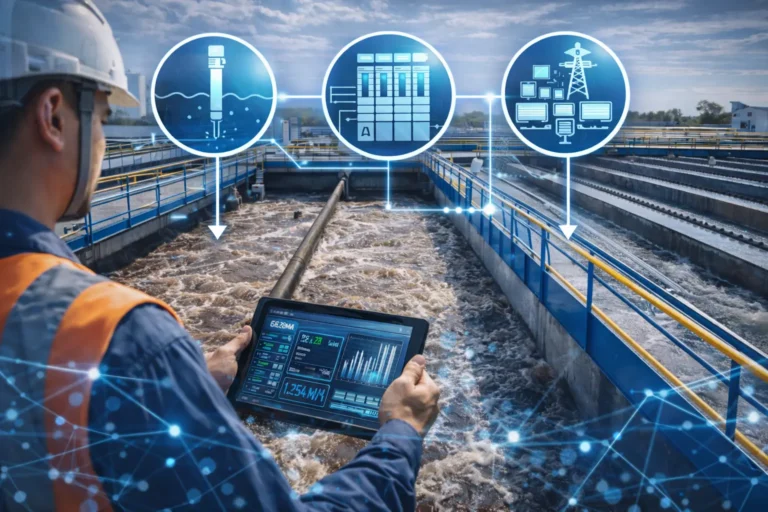
Wastewater management is essential for protecting the environment and maintaining sustainable infrastructure. Municipalities and industrial facilities must continuously monitor wastewater...
Devamını Oku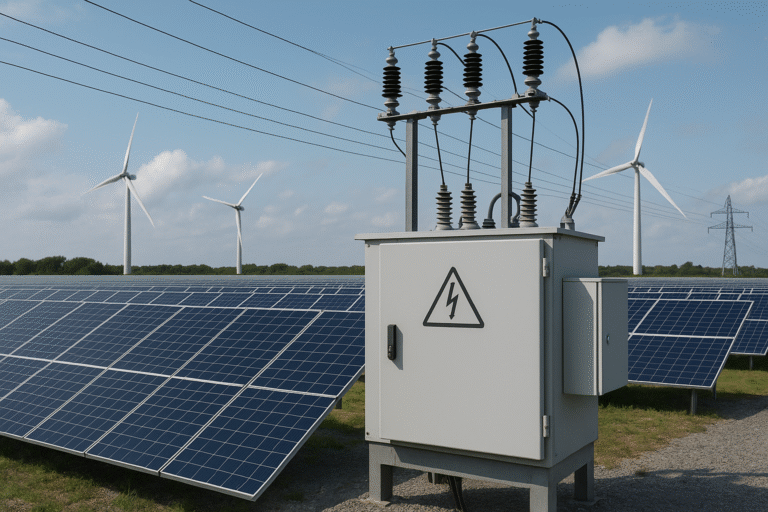
Electrification is the transition from fossil fuel-based technologies to systems that operate using electricity. It plays a pivotal role in...
Devamını Oku