



What Is a Constant Wattage Heat Trace Cable, and When Is It Used?
In industrial environments where temperature control is critical, maintaining consistent heat along pipelines, tanks, and process equipment is essential for...
Devamını Oku
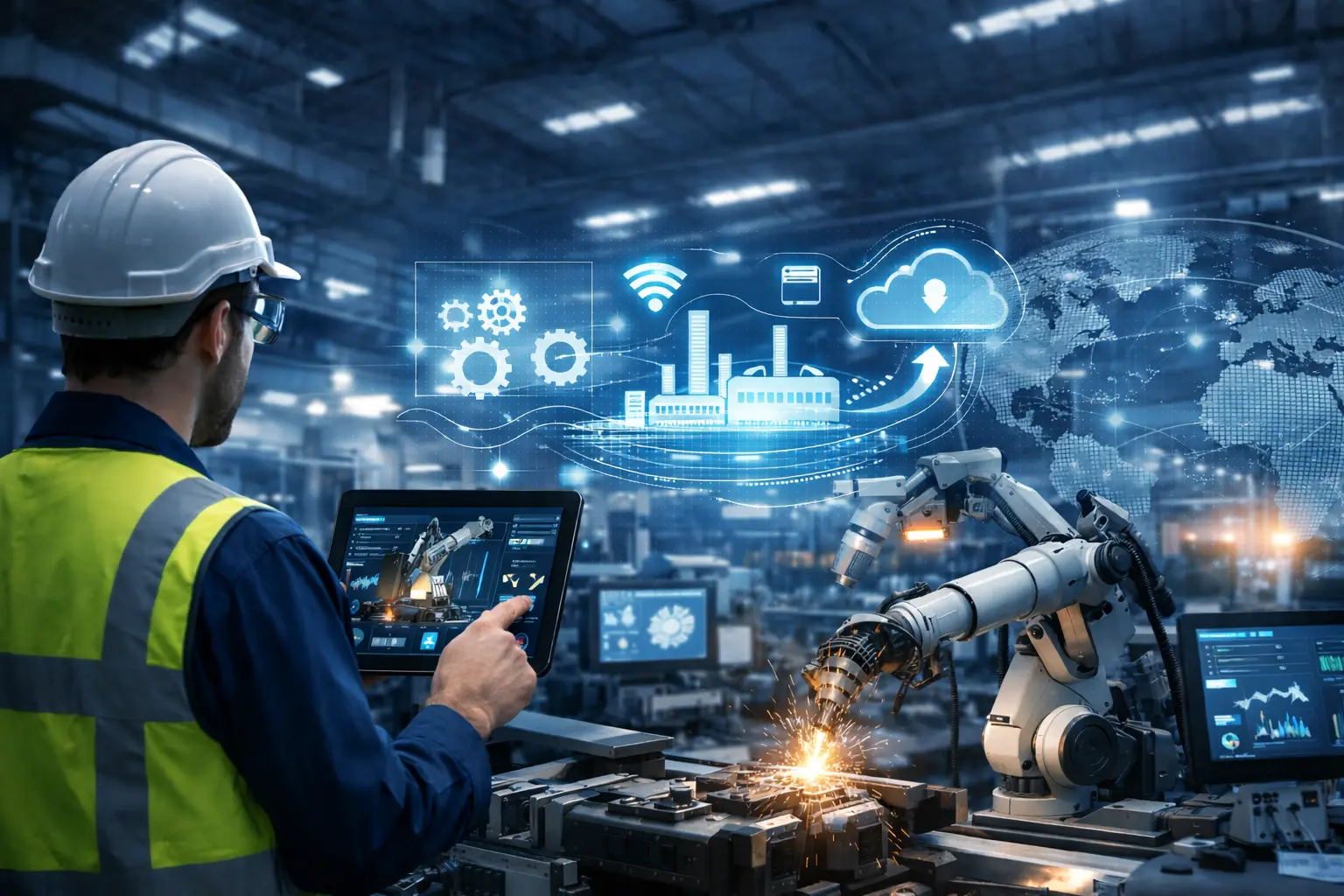
In today’s fast-evolving technological world, businesses and industries are undergoing a fundamental shift in how they operate, communicate, and grow. At the core of this transformation is digitalization, a concept that extends far beyond converting paper documents into digital files. It represents a complete redesign of business processes, driven by real-time data, automation, and smart technologies to achieve efficiency, agility, and sustainability.
So, what is digitalization? It’s not just a trend—it’s a necessity for modern industries that want to stay competitive in the global market. Particularly in the industrial sector, digitalization allows for streamlined operations, intelligent systems, and improved decision-making through the integration of advanced technologies such as AI, cloud computing, and big data. For companies like Adatech, which operate across a wide engineering spectrum, digitalization is the key to innovation and long-term success. In the sections that follow, we’ll explore what does digitalization mean, its purpose, technologies, and the clear advantages it offers—especially in the context of digitalization in industry.
Digitalization is the process of transforming traditional business operations, services, and models through digital technologies. It goes beyond just converting analog data into digital form; it involves leveraging digital tools to optimize workflows, improve efficiency, and create new value for businesses. From real-time data analytics to automation systems, digitalization reshapes how organizations function, compete, and grow in a connected world.
But what is digitalization in a broader sense? It’s the strategic application of technology to drive innovation, enhance customer experiences, and adapt to ever-changing market demands. Businesses use digitalization to break down silos, streamline internal communication, and enable remote collaboration. It creates a culture of agility and continuous improvement. In a digital-first environment, companies can scale more rapidly and respond to disruptions with resilience. Ultimately, what does digitalization mean is the shift from static operations to dynamic, tech-enabled ecosystems.
The primary goal of digitalization is to increase operational efficiency, reduce costs, and enhance value creation through smart technologies. It allows companies to make faster, data-driven decisions while improving service delivery and customer satisfaction. By automating repetitive tasks, businesses free up human resources for more strategic functions. Enhanced communication, better resource allocation, and real-time insights are all benefits of digital transformation. What is digitalization becomes clear when examining the competitive advantages it delivers—improved productivity, faster innovation cycles, and the ability to scale with agility. Sustainability is also a growing benefit, as digital tools reduce paper use and energy waste. It enables predictive maintenance, reducing downtime in manufacturing. The use of digital platforms supports seamless collaboration across departments. Ultimately, what does digitalization mean is smarter, faster, and more customer-centric operations.
Digitalization in industry refers to the integration of digital technologies into manufacturing, engineering, logistics, and other industrial processes. It includes everything from real-time monitoring systems to automated machinery, cloud-based platforms, and smart data analytics. This transformation allows industrial businesses to enhance productivity, reduce waste, improve product quality, and respond more quickly to market demands. Digital twins, IoT sensors, and robotics are now key components of modern industrial infrastructure.
When we ask what is digitalization, the industrial context offers some of the most impactful examples. Factories become smarter, systems more connected, and data more actionable. It’s not just about adopting new tools; it’s about changing the way operations are managed and optimized. What does digitalization mean in this setting? It means streamlined workflows, predictive maintenance, and agile supply chains—all driven by digital intelligence.
The foundation of digitalization lies in a blend of advanced technologies that work together to enable smarter, faster, and more efficient operations. These core components include cloud computing, artificial intelligence, machine learning, big data analytics, and cybersecurity. Each plays a distinct role in helping businesses collect, store, process, and protect data to drive decision-making. These technologies are not standalone tools—they’re part of a digital ecosystem that transforms how businesses function and compete.
So, what is digitalization without its core technologies? Simply put, it wouldn’t exist. From scalable cloud platforms to predictive algorithms, the elements of digitalization work in harmony to deliver value. What does digitalization mean becomes clearer when these components are fully implemented in day-to-day operations. In industries, they provide the backbone for automation, innovation, and sustainable growth. Let’s explore each component in detail, starting with cloud technologies.
Cloud technologies are a fundamental part of digitalization, enabling businesses to store, access, and manage data securely over the internet. Instead of relying on local servers, companies can scale their infrastructure quickly and cost-effectively through cloud platforms. This allows greater flexibility and collaboration across departments. Real-time data sharing enhances productivity and supports remote working models. Cloud systems also improve disaster recovery capabilities and reduce hardware costs. For many organizations, cloud integration is the first major step in digital transformation. What is digitalization without the cloud? It’s incomplete. Cloud technologies offer the speed and scalability needed to support rapid innovation. They also improve data availability, accessibility, and security. Simply put, what does digitalization mean in the cloud era? It means anytime, anywhere access to critical information for smarter decision-making.
Artificial Intelligence (AI) and Machine Learning (ML) are powerful drivers of digitalization, allowing systems to learn, adapt, and improve without constant human input. These technologies enable predictive analytics, automated workflows, and intelligent decision-making. AI helps detect patterns in large datasets, while ML refines results over time. They support quality control in manufacturing, customer behavior analysis in retail, and fraud detection in finance. Their application leads to increased accuracy, reduced costs, and faster innovation. In industries, AI and ML optimize supply chains, automate inspections, and forecast maintenance needs. What is digitalization with AI? It’s the ability to make smarter, faster decisions. These tools transform data into real-time insights. Ultimately, what does digitalization mean when powered by AI and ML? It means intelligent automation that evolves continuously to meet business goals.
Big data and analytics are essential elements of digitalization, enabling organizations to turn massive volumes of raw data into actionable insights. With the right analytics tools, companies can monitor trends, detect inefficiencies, and predict future outcomes. This leads to smarter strategies and more accurate decision-making. From customer preferences to machine performance, data drives value across every department. Real-time analytics allows businesses to respond instantly to changing conditions. Predictive analytics further enhances operational efficiency by forecasting demand, risk, and maintenance needs. In industrial settings, it helps optimize supply chains and minimize downtime. What is digitalization if not data-driven progress? Organizations that harness big data outperform their competitors. In this sense, what does digitalization mean becomes clearer—it’s the ability to act intelligently through data-backed insight.
Cybersecurity infrastructure is a non-negotiable component of digitalization, ensuring that digital systems, data, and networks are protected against threats. As businesses adopt cloud platforms, IoT devices, and automation, the risk of cyberattacks grows. Cybersecurity solutions—like firewalls, encryption, multi-factor authentication, and intrusion detection—protect sensitive information and maintain system integrity. It also supports business continuity by preventing downtime and data breaches. A strong cybersecurity strategy safeguards customer trust and regulatory compliance. In industries, even a short system failure can lead to financial losses or safety hazards. Proactive monitoring and employee training are also part of this digital shield. What is digitalization without protection? Vulnerable. Companies must prioritize cybersecurity to secure the benefits of digital transformation. In that light, what does digitalization mean becomes a balance of innovation and protection.
Digitalization offers businesses significant benefits across all sectors—from efficiency gains to strategic agility. By automating manual tasks, companies reduce errors, save time, and lower operational costs. Real-time data improves decision-making, while digital platforms enable seamless collaboration across teams and geographies. With access to smart analytics and connected systems, businesses can better understand their customers, forecast trends, and personalize offerings. Flexibility increases as companies can quickly adapt to market shifts using scalable technologies. This transformation results in better productivity and stronger competitive positioning.
So, what is digitalization really doing for modern enterprises? It’s helping them grow smarter and more resilient. Businesses become more responsive, proactive, and innovation-driven. What does digitalization mean in this context? It means building a digital-first foundation that supports scalability, customer satisfaction, and long-term success. In the context of digitalization in industry, these benefits expand further—enhancing output, minimizing downtime, and improving quality through automation and data intelligence. For forward-thinking companies, digitalization is no longer optional—it’s essential
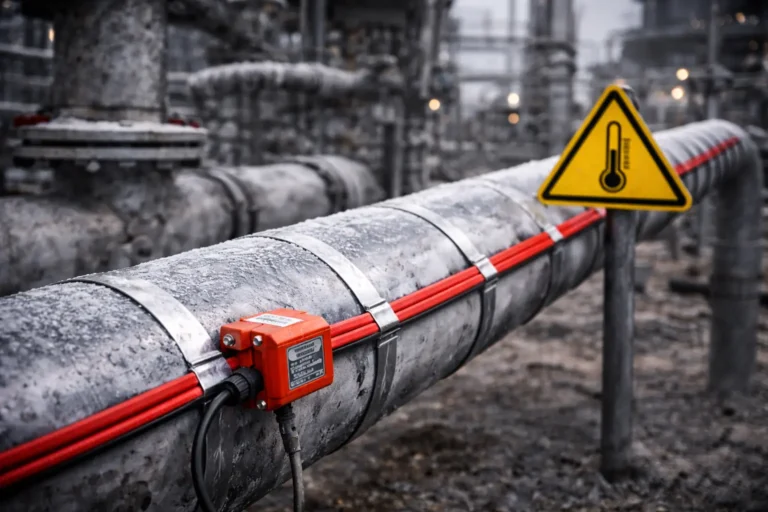
In industrial environments where temperature control is critical, maintaining consistent heat along pipelines, tanks, and process equipment is essential for...
Devamını Oku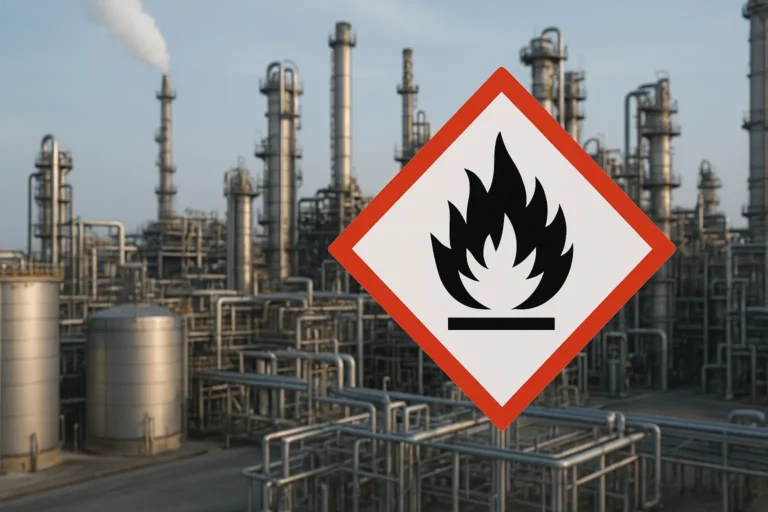
In industrial safety, minimizing risks is not only about equipment quality but also about understanding the physical and chemical properties...
Devamını Oku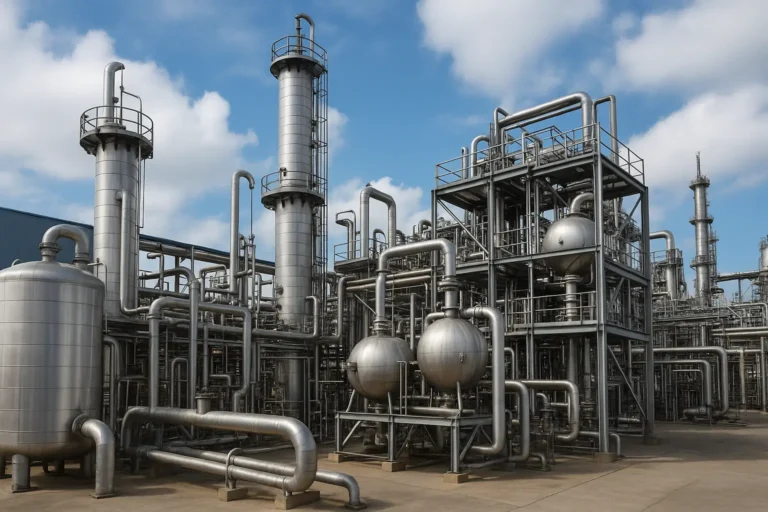
Chemical plant installation is a complex and critical process that involves multidisciplinary engineering efforts, strategic planning, and strict adherence to...
Devamını Oku