



Why Is Heat Tracing Necessary at Valves and Flange Points?
In industrial piping systems, ensuring process continuity depends not only on protecting straight pipeline sections but also on securing critical...
Devamını Oku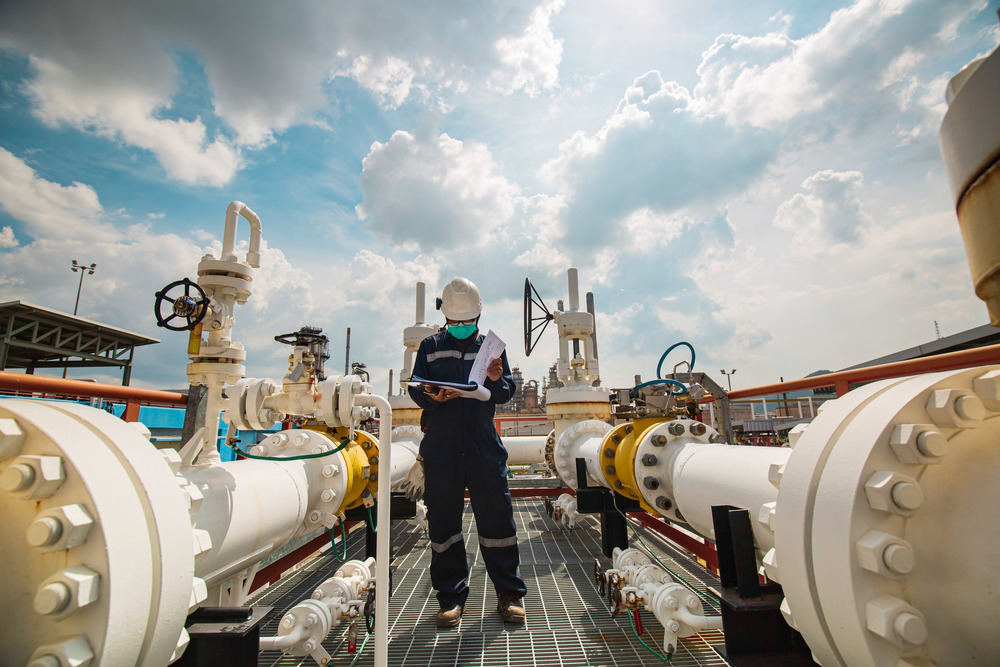
Solar energy is a clean, renewable source of power that is rapidly gaining popularity across the world due to growing energy demands and the need for environmentally friendly alternatives. It is derived from sunlight, which can be converted into electricity or heat through various technologies. As concerns over fossil fuel dependency and climate change increase, more people are asking, “what is solar energy and its applications?”.
Today, solar energy is used in a wide range of sectors—from residential rooftops to large-scale industrial facilities. It helps reduce electricity bills, minimizes carbon emissions, and supports sustainable energy production. Questions such as how solar energy works, what is solar energy used for, and how electricity is generated from solar energy have become increasingly relevant. In this article, we will explore the definition of solar energy, how it is produced and works, and examine its many applications across different industries.
Solar energy is a form of energy that comes from the sun’s radiation. It is considered one of the most sustainable and environmentally friendly sources of power available today. Through the use of solar panels and other technologies, sunlight is captured and converted into usable forms of energy, such as electricity or heat. The growing interest in renewable power sources has made many people search for clear answers to what is solar energy and how it can be used to reduce environmental impact.
The definition of solar energy includes both passive and active systems. Passive systems rely on building design and materials to collect heat, while active systems involve technologies like photovoltaic panels and solar thermal collectors. As solar technology becomes more advanced, it continues to play a major role in global energy transformation.
Solar energy is produced through the conversion of sunlight into usable energy forms such as electricity or heat. This process begins with solar radiation reaching the Earth’s surface. Photovoltaic (PV) cells, commonly found in solar panels, absorb the sunlight and convert it into direct current (DC) electricity. In order to make this electricity usable in homes and businesses, an inverter transforms it into alternating current (AC). This is the core method behind how electricity is generated from solar energy.
In addition to photovoltaic systems, solar thermal technologies use mirrors or collectors to concentrate sunlight and generate heat, which can be used for water heating or industrial processes. These systems demonstrate the variety of ways in which solar energy can be harvested. This is the answer to the question: how is solar energy generated?
Solar energy is renewable, sustainable, and non-polluting. It relies entirely on sunlight, making it an abundant and virtually limitless energy source. One of the key advantages is its ability to reduce carbon emissions without compromising energy demands. These basic characteristics of solar energy make it an ideal solution for meeting long-term global energy needs in a clean and cost-effective way.
Solar energy has a wide range of practical applications, making it a versatile source of power for both residential and industrial sectors. It is primarily used for electricity generation, water heating, lighting, and powering appliances. In areas without access to traditional power grids, solar systems offer a reliable and cost-effective solution. This makes solar technology essential in rural and remote regions.
The answer to what is solar energy used for extends beyond homes. In agriculture, it supports irrigation systems; in cities, it powers traffic lights and public lighting. In industries, it reduces operational costs and dependence on fossil fuels. Its ability to be scaled for different needs is what makes it such a powerful tool in the shift toward sustainable energy.
The process begins when sunlight hits solar panels made up of photovoltaic (PV) cells. These cells convert sunlight into direct current (DC) electricity. This electricity then passes through an inverter, which transforms it into alternating current (AC) — the type of power used in homes and businesses. This conversion explains how solar energy works on a basic technical level.
More advanced systems include battery storage, allowing excess energy to be saved for nighttime or cloudy days. Additionally, smart meters can monitor energy production and consumption in real-time. These features help optimize energy use, reduce reliance on the grid, and increase energy independence. As technology advances, solar energy systems continue to become more efficient and accessible to a wider range of users.
Applications of solar energy are growing rapidly across both residential and commercial sectors. In homes, solar panels are used for electricity generation, water heating, and even cooling. These systems reduce utility bills and provide long-term energy independence. Solar-powered lights, chargers, and heating systems are now common in many modern households.
In the commercial and industrial world, solar energy is applied in manufacturing, agriculture, transportation, and telecommunications. From powering factories to running irrigation systems, its versatility and sustainability offer cost savings and environmental benefits. As more governments and companies prioritize green energy, solar technology plays a key role in building a more sustainable future. These widespread uses answer the question: where is solar energy used?
Electricity generation from solar energy is one of the most common applications of solar technology. Homes and businesses install rooftop solar panels to reduce electricity costs and reliance on traditional power grids. These systems convert sunlight into usable electricity and can often generate surplus energy, which may be stored or sold back to the grid, offering financial and environmental benefits.
In farming, applications of solar energy include powering irrigation systems, especially in remote or off-grid areas. Solar-powered water pumps help reduce dependency on diesel or electric motors, lowering operational costs and emissions. These systems are sustainable, cost-effective, and ideal for improving agricultural productivity, especially in sunny regions with limited access to conventional energy infrastructure.
Industrial and commercial buildings increasingly adopt solar energy systems to reduce energy costs and meet sustainability goals. Large rooftop or ground-mounted solar arrays can power entire facilities, including machinery, lighting, and HVAC systems. These installations not only lower carbon emissions but also enhance energy independence, making solar energy a strategic investment for long-term operational efficiency.
Solar energy is widely used in transportation and public infrastructure through solar-powered street lights, traffic signals, and electric vehicle charging stations. Mobile solar units are also popular for outdoor activities and emergency use. These innovations show how solar energy works in dynamic environments, providing clean, off-grid power where traditional energy systems are unavailable or impractical.

In industrial piping systems, ensuring process continuity depends not only on protecting straight pipeline sections but also on securing critical...
Devamını Oku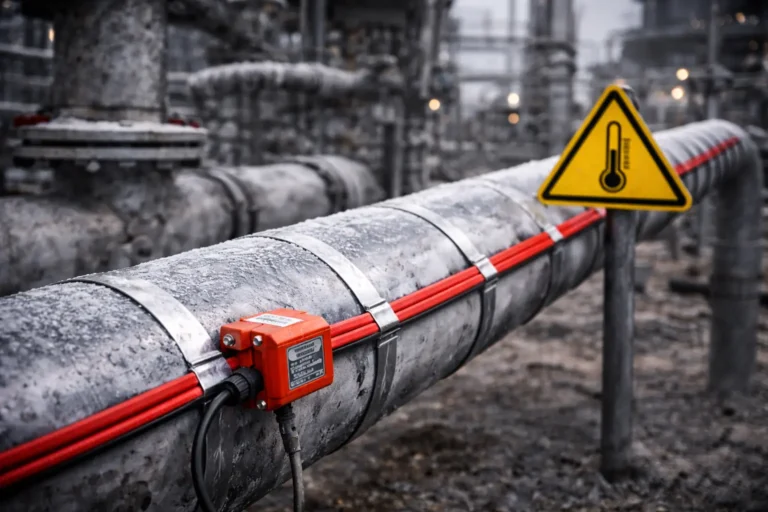
In industrial environments where temperature control is critical, maintaining consistent heat along pipelines, tanks, and process equipment is essential for...
Devamını Oku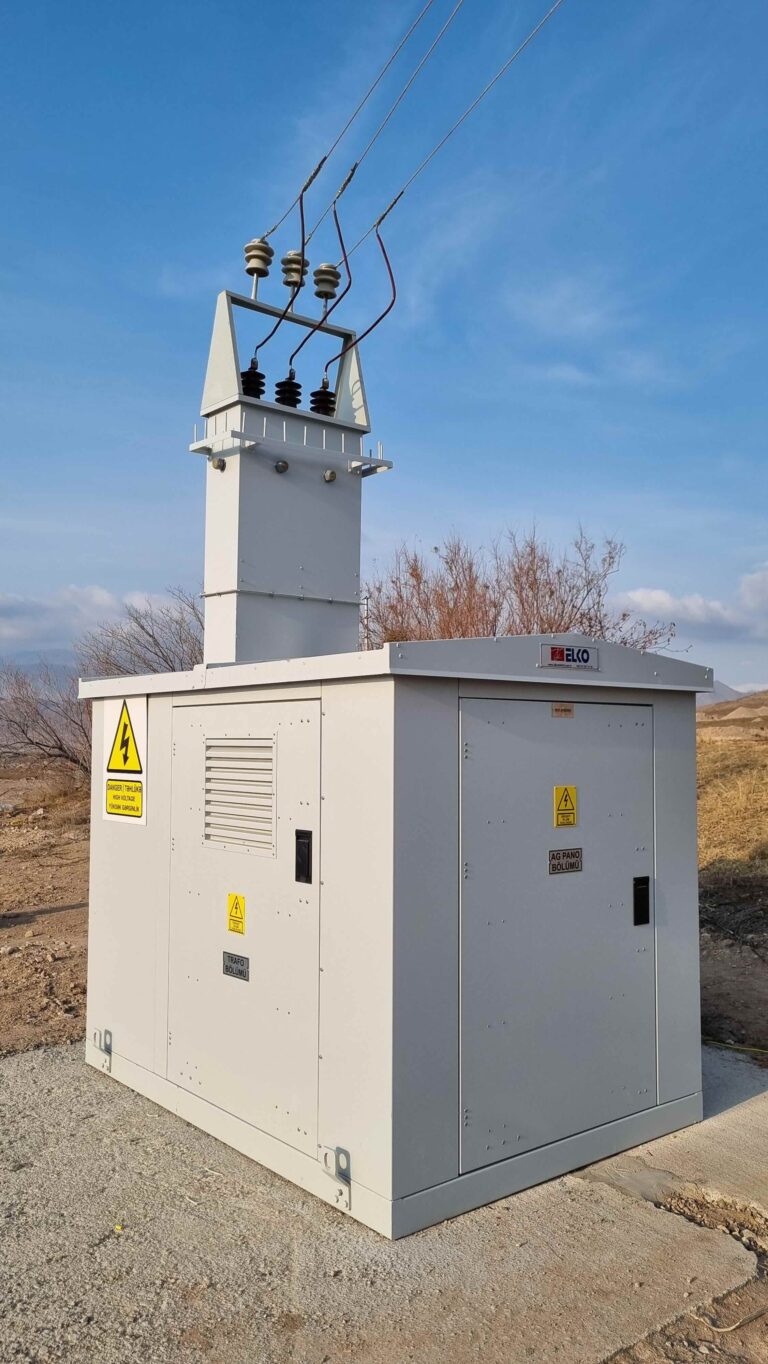
A transformer substation is a critical facility designed to convert electrical energy from high voltage to low voltage, ensuring safe...
Devamını Oku