



What is the M580 PLC? Its Use in Industrial Automation
In modern industrial automation, the m580 plc stands out as a powerful and flexible controller, designed to meet the complex...
Devamını Oku

Industrial facilities rely on advanced automation technologies to monitor and control their operations efficiently. In this context, scada software plays a vital role by enabling real-time monitoring, control, and analysis of industrial processes. Domestically developed SCADA systems in Turkey have become increasingly important as industries accelerate their digital transformation and seek more flexible and secure automation solutions.
Domestic SCADA solutions are developed by local engineering teams and designed to meet the specific needs of industries operating in Turkey. These systems collect data from field devices such as sensors and PLCs and present it through centralized control interfaces. Operators can monitor system performance, detect potential failures early, and manage operations more effectively.
One of the main advantages of domestic SCADA systems is their flexibility and customization capability. Local development teams can adapt the software to the unique requirements of each facility, while faster technical support and updates improve system reliability. In addition, domestic solutions help organizations maintain better control over their operational data and reduce dependency on foreign technologies.
Engineering companies like Adatech contribute to this ecosystem by providing automation, electrical engineering, and industrial system integration services. With a strong engineering approach and innovative mindset, they develop solutions that support efficient and reliable industrial operations.
Domestically developed SCADA systems therefore play an important role in helping industries build smarter, more efficient, and more sustainable production environments.
Domestic SCADA systems are industrial automation solutions developed by local engineering teams to monitor and control operational processes within facilities. These systems collect data from field devices such as sensors, PLCs, and controllers, allowing operators to observe system performance in real time through centralized interfaces. By presenting operational data visually, SCADA platforms help organizations manage equipment, detect system anomalies, and maintain efficient production processes.
Unlike many imported automation platforms, domestic SCADA systems are designed according to the specific needs of local industries. This allows businesses to customize monitoring screens, alarm systems, and reporting tools based on their operational requirements. Because the development teams are local, updates and technical support can be delivered faster, helping organizations maintain reliable and flexible automation infrastructures.
The development of domestic SCADA systems was largely driven by the increasing automation needs of industrial facilities. As production processes became more complex, manual monitoring and control methods were no longer sufficient. Industries required advanced systems capable of collecting real-time data, monitoring equipment performance, and enabling centralized control of large-scale operations. Initially, many organizations relied on foreign automation platforms to meet these needs. However, the high licensing costs and limited customization options of these systems created challenges for many companies.
Another important factor was the growing demand for technological independence and data security. Industrial facilities generate large amounts of operational data that are critical for decision-making and process optimization. Many organizations preferred solutions that allow them to maintain control over their data and adapt their systems to local operational requirements. Domestic SCADA systems emerged as a response to these needs, offering more flexible customization, faster technical support, and better compatibility with local industrial infrastructures.
The development of SCADA technologies in Turkey has accelerated alongside the growing need for industrial automation and digital infrastructure. In earlier years, many facilities relied heavily on foreign automation platforms to monitor and manage their operational processes. Over time, however, increasing costs, licensing dependencies, and limited customization options encouraged local engineering companies to invest in their own automation technologies. As a result, domestic SCADA platforms began to emerge, offering solutions tailored to the needs of industries operating in Turkey.
Digital transformation initiatives have further increased the importance of SCADA systems in industrial environments. Modern automation infrastructures require continuous data collection, remote monitoring, and advanced reporting capabilities. SCADA platforms support these needs by enabling real-time monitoring of industrial equipment and processes. Through centralized control systems, organizations can analyze operational data, identify inefficiencies, and improve overall system performance.
Today, SCADA technologies are considered a key component of Industry 4.0 and smart manufacturing strategies. Integration with IoT devices, data analytics platforms, and remote access systems allows modern SCADA solutions to become part of connected industrial ecosystems. As Turkish engineering companies continue to develop advanced automation technologies, domestic SCADA systems are playing an increasingly important role in supporting digital transformation and improving industrial productivity.
Domestic SCADA systems provide centralized monitoring and control for industrial operations through advanced automation infrastructure. One of their main features is real-time data acquisition from field devices such as sensors, PLCs, and control units. This data is transmitted to a central system where operators can monitor equipment performance and system status instantly. Real-time visibility enables early detection of potential faults and allows operators to respond quickly, improving both operational reliability and efficiency. In industries where continuous monitoring is essential, this capability plays a critical role in maintaining stable and safe operations.
Another important feature of domestic SCADA systems is their flexible and scalable architecture. These systems can be customized to meet the operational requirements of different industries and facility sizes. User-friendly interfaces allow operators to easily monitor processes, manage alarms, and generate detailed performance reports. Additionally, domestic SCADA platforms are designed to integrate with various automation devices and communication protocols. This compatibility enables businesses to connect existing equipment to the system without major infrastructure changes, making it easier to implement automation while supporting long-term operational growth.
Domestic SCADA systems offer several advantages for industrial facilities seeking efficient and flexible automation solutions. One of the most significant benefits is cost efficiency. Many foreign automation platforms require high licensing fees and ongoing maintenance costs, which can become a financial burden for organizations. Domestic solutions often provide more flexible licensing models and can be adapted to project requirements more easily. This allows businesses to implement automation systems without excessive operational costs while still maintaining reliable monitoring and control capabilities.
Another key advantage is faster technical support and easier system customization. Because domestic SCADA systems are developed by local engineering teams, updates, modifications, and troubleshooting processes can be handled more quickly. This improves system reliability and minimizes downtime in critical industrial operations. Additionally, domestic platforms are designed with local industry requirements in mind, making them more compatible with existing automation infrastructures. This compatibility simplifies integration with current equipment and allows companies to enhance their automation systems without completely replacing their existing technology.
Domestic SCADA systems are widely used in industries where continuous monitoring, control, and automation of processes are essential. One of the most common sectors is the energy industry. Power plants, electricity distribution networks, and renewable energy facilities rely on SCADA systems to monitor equipment performance, manage power generation, and ensure stable energy distribution. By collecting and analyzing operational data in real time, these systems help operators detect faults early and maintain reliable energy infrastructure.
Domestic SCADA solutions are also commonly used in manufacturing, water management, and oil and gas industries. In manufacturing facilities, SCADA platforms monitor production lines, track machine performance, and provide detailed reports that help improve operational efficiency. In water and wastewater management systems, SCADA technology is used to control pumping stations, storage facilities, and distribution networks. Similarly, in the oil and gas sector, these systems play a crucial role in monitoring field equipment, ensuring safe operations, and managing complex industrial processes from centralized control centers.
One of the main differences between domestic and foreign SCADA systems lies in cost structure and licensing flexibility. Many foreign automation platforms operate with strict licensing models and high maintenance costs, which can increase the overall investment required for industrial automation projects. Domestic SCADA solutions often provide more flexible licensing options and can be adapted to the specific needs of a project. This flexibility allows organizations to implement automation systems more efficiently while maintaining control over their operational expenses.
Another key difference is related to technical support, customization, and system integration. Foreign SCADA systems may require support through international service channels, which can sometimes slow down problem resolution and system updates. Domestic SCADA systems, on the other hand, are developed and supported by local engineering teams. This allows businesses to receive faster technical assistance and request custom modifications more easily. In addition, domestic platforms are typically designed to work more seamlessly with local industrial infrastructures, making integration with existing automation equipment simpler and more efficient.
Selecting the right domestic SCADA system requires a clear understanding of the operational needs of the facility. Every industrial environment has different equipment structures, automation levels, and monitoring requirements. For this reason, the selected SCADA system should be compatible with the existing infrastructure and capable of supporting future expansion. Factors such as data collection capacity, system performance, user interface design, reporting capabilities, and alarm management should be carefully evaluated. A well-chosen SCADA platform allows organizations to monitor processes efficiently and maintain reliable control over their operations.
In addition to technical capabilities, long-term sustainability and technical support are also important considerations. The experience of the engineering company developing the system, their industry expertise, and the quality of their support services can significantly affect system performance. A scalable architecture is also essential so that new devices, production lines, or facilities can be integrated into the system in the future. When these factors are evaluated together, organizations can implement SCADA solutions that support both operational efficiency and long-term digital transformation strategies.
When selecting a domestic SCADA system, the scale of the project is one of the most important factors to consider. Small-scale facilities usually require systems that manage a limited number of devices and data points, while large industrial plants may need to monitor thousands of sensors, controllers, and automation components simultaneously. Therefore, the selected SCADA platform must have sufficient data processing capacity and performance to support the operational size of the project. A scalable system ensures that monitoring and control processes remain stable even as the amount of operational data increases.
Project scale also influences the number of users, monitoring points, and integration requirements within the system. Large industrial environments often require multiple operators and departments to access the same platform for monitoring and decision-making. For this reason, SCADA systems should provide multi-user management, access control, and advanced reporting features. Additionally, the system should be expandable so that new production lines or equipment can be integrated without replacing the existing infrastructure. Choosing a SCADA solution that matches the project scale helps organizations maintain efficient operations while supporting long-term industrial growth.
When selecting a domestic SCADA system, integration capability with existing industrial infrastructure is a critical factor. Industrial facilities often operate with a wide range of automation devices such as PLCs, sensors, control panels, and communication gateways. Therefore, the selected SCADA platform should support common industrial communication protocols like Modbus, OPC, and TCP/IP. Systems that support multiple protocols can communicate with various devices from different manufacturers, allowing organizations to integrate their existing equipment without major infrastructure changes.
Compatibility is also important for connecting SCADA systems with other enterprise software platforms. Modern industrial environments often require integration with ERP, MES, and data analytics systems to create a unified information flow across the organization. When a SCADA system supports these integrations, operational data can be shared across departments, improving decision-making and process transparency. A highly compatible SCADA platform ensures smoother system integration while also allowing companies to adopt new technologies and automation tools in the future
When selecting a domestic SCADA system, it is important to consider not only current operational needs but also future expansion and technological developments. Industrial facilities often grow over time by adding new production lines, equipment, or monitoring points. Therefore, the chosen SCADA platform should have a scalable architecture that allows additional devices and data points to be integrated without requiring a complete system replacement. A scalable system protects long-term investments while ensuring that the automation infrastructure continues to support operational growth.
Future-oriented planning should also consider compatibility with emerging industrial technologies. Modern automation environments increasingly rely on IoT connectivity, advanced data analytics, remote monitoring, and cloud-based solutions. A SCADA system designed with flexible architecture and continuous development capabilities can adapt to these technological advancements. By selecting a solution that supports future integration and regular updates, organizations can build a sustainable automation infrastructure that supports long-term efficiency and digital transformation.
Adatech domestic SCADA systems stand out by combining advanced automation technology with strong engineering expertise. These systems are designed to provide centralized monitoring and control for complex industrial processes across various sectors such as energy, manufacturing, and oil and gas. By collecting real-time data from field devices and presenting it through intuitive control interfaces, Adatech solutions allow operators to monitor system performance efficiently and respond quickly to operational changes. This approach helps facilities maintain stable operations while improving overall productivity.
One of the key differences of Adatech solutions is their comprehensive engineering approach. The company does not only provide automation software but also supports projects with system design, field installation, and commissioning services. With experience in electrical systems, automation solutions, and industrial engineering applications, Adatech develops solutions tailored to the operational requirements of each project. This integrated service model enables organizations to implement reliable automation infrastructures while maintaining high engineering standards and operational efficiency.

In modern industrial automation, the m580 plc stands out as a powerful and flexible controller, designed to meet the complex...
Devamını Oku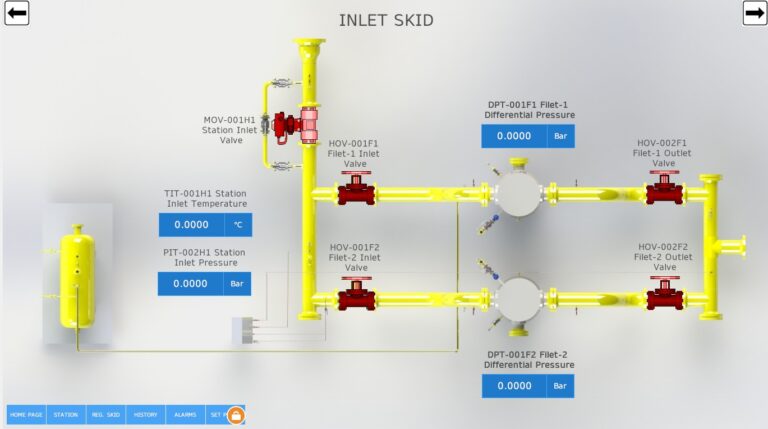
HMI, which stands for Human Machine Interface, refers to the technology that allows humans to interact with machines in a...
Devamını Oku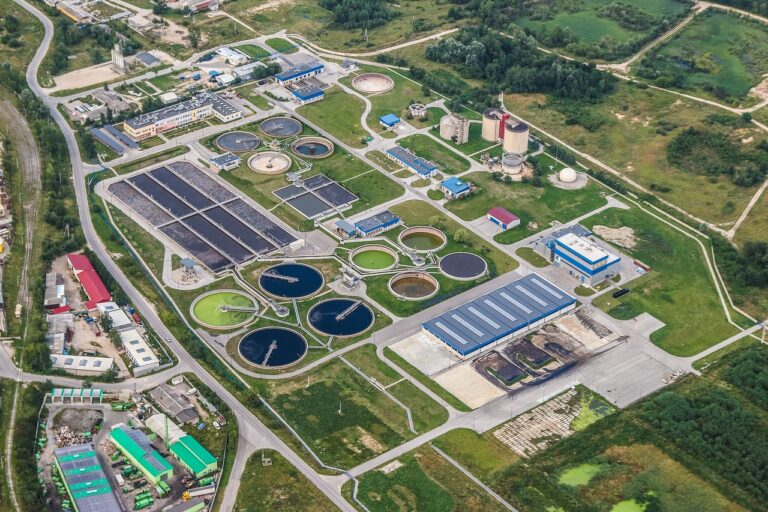
Wastewater treatment systems are advanced infrastructures designed to remove contaminants from domestic, industrial, and commercial wastewater before it is released...
Devamını Oku