



What is Low Voltage? Where is it Used?
Low voltage systems play a vital role in everyday electrical infrastructure, powering everything from residential lighting to complex industrial control...
Devamını Oku
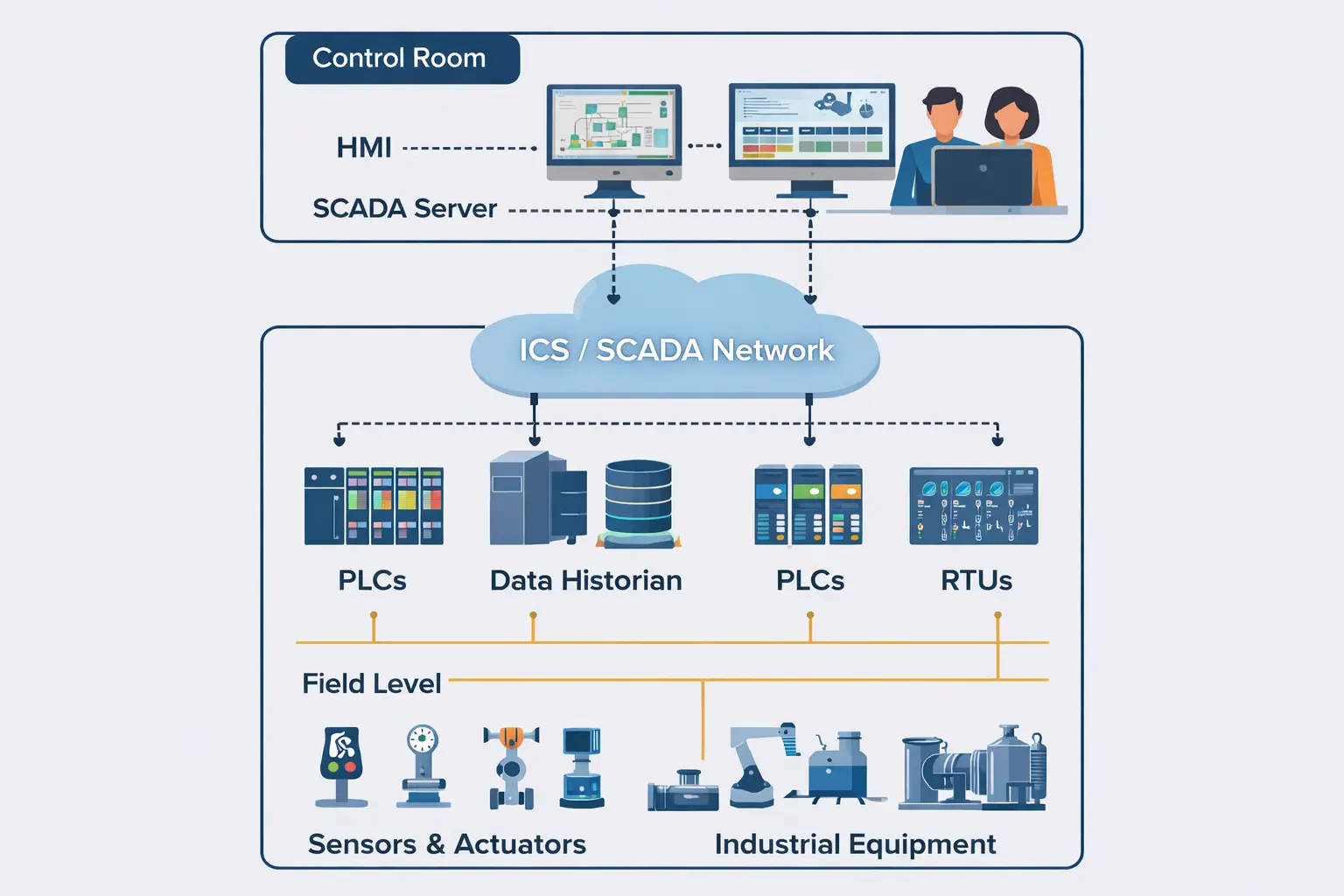
Industrial operations today rely heavily on advanced automation systems to maintain efficiency, reliability, and operational safety. At the core of these automation environments are Industrial Control Systems (ICS) and SCADA architectures, which enable organizations to monitor and control complex industrial processes from centralized control environments. These systems are widely used across industries such as energy production, manufacturing, oil and gas, water management, and transportation infrastructure. By integrating sensors, controllers, communication networks, and visualization platforms, ICS and SCADA architectures create a structured framework that allows industrial facilities to manage operations in real time.
ICS architecture typically consists of multiple layers designed to collect, process, and visualize operational data. At the lowest level, field devices such as sensors and actuators gather physical process data. This information is then transmitted to controllers such as PLCs (Programmable Logic Controllers) and RTUs (Remote Terminal Units), which process the data and execute automation logic. At the top of the architecture, centralized monitoring platforms allow operators to visualize system performance, track alarms, and manage operations. Modern SCADA software platforms serve as the primary interface that connects these layers, enabling centralized control and real-time data monitoring across the entire facility.
As industrial environments continue to evolve, the architecture of ICS and SCADA systems has also advanced significantly. In 2026, modern industrial automation platforms are designed not only for monitoring and control but also for advanced data analytics, predictive maintenance, and remote operations. Integration with cloud technologies, industrial IoT devices, and cybersecurity frameworks has transformed traditional automation systems into intelligent operational ecosystems. These developments allow organizations to improve operational resilience, reduce downtime, and enhance decision-making through data-driven insights.
Another critical aspect of ICS SCADA architecture is its role in maintaining operational continuity within critical infrastructure. Industrial facilities often operate 24/7, and even minor disruptions can lead to significant financial and operational consequences. With layered control systems, automated alarms, and centralized monitoring capabilities, ICS SCADA architectures help detect anomalies early and allow operators to respond quickly to potential issues. This structured approach significantly reduces the risk of operational failures and improves overall system stability.
In addition to operational control, ICS SCADA architectures also support long-term performance optimization. By continuously collecting operational data, organizations can analyze production efficiency, energy consumption, and equipment performance. These insights enable facility managers to optimize processes, reduce operational costs, and enhance sustainability initiatives. As industries move toward smarter factories and digital transformation initiatives, the importance of well-designed ICS SCADA architectures continues to grow across global industrial sectors.
Industrial Control Systems (ICS) are integrated hardware and software systems used to monitor, control, and automate industrial processes. These systems play a crucial role in managing large-scale operations across sectors such as energy production, manufacturing, oil and gas, transportation, and water infrastructure. ICS environments collect real-time data from field devices, analyze operational conditions, and automatically execute control actions to maintain stable and efficient processes. By automating complex industrial operations, ICS systems significantly reduce human intervention while increasing accuracy, reliability, and safety in critical industrial environments.
In industrial automation environments, ICS systems typically integrate multiple components including sensors, actuators, controllers, communication networks, and centralized management platforms. Sensors gather real-time operational data such as temperature, pressure, flow rate, vibration, or voltage levels. This data is transmitted to controllers such as PLCs or RTUs, which interpret the information and trigger automated responses according to predefined logic. The processed information is then transmitted to centralized platforms where operators can visualize system performance through advanced SCADA software interfaces, enabling comprehensive monitoring and control of industrial operations.
The primary objective of ICS systems is to ensure that industrial processes operate continuously and efficiently while minimizing operational risks. Automated control logic allows processes to adjust dynamically based on real-time conditions. For example, if a temperature sensor detects abnormal heat levels within a production line, the control system can automatically activate cooling mechanisms or adjust process parameters. This automated response capability ensures operational stability and reduces the likelihood of equipment damage or process failure.
By 2026, ICS systems have evolved beyond simple automation tools and now function as intelligent operational platforms. Modern ICS environments integrate industrial IoT technologies, predictive maintenance algorithms, and advanced data analytics. These capabilities allow organizations to anticipate equipment failures, optimize production efficiency, and enhance overall operational visibility. Predictive insights generated from continuous data collection enable maintenance teams to identify potential issues before they escalate into costly downtime.
Another important advantage of ICS systems is their scalability. Industrial facilities often expand or modify production processes over time, and ICS architectures are designed to support flexible integration of new equipment, sensors, and automation modules. This scalability allows facilities to adapt to evolving production requirements without redesigning the entire automation infrastructure. As industries continue their digital transformation journeys, ICS systems remain the foundation of modern industrial automation strategies.
SCADA (Supervisory Control and Data Acquisition) systems represent the supervisory layer of the ICS architecture and act as the central monitoring and management platform for industrial operations. While field devices and controllers handle direct process control, SCADA systems provide operators with a comprehensive overview of the entire industrial environment. Through graphical interfaces, dashboards, and alarm management tools, SCADA platforms enable operators to monitor equipment status, analyze operational data, and control industrial processes from centralized control rooms. This supervisory role makes SCADA a critical component of modern industrial automation infrastructures.
Within the ICS architecture, SCADA systems operate above the control layer that includes PLCs and RTUs. Controllers collect and process real-time data from field devices and then transmit this information to the SCADA platform. The SCADA system aggregates this data and presents it through intuitive visualization tools such as process diagrams, system dashboards, and alarm panels. With advanced SCADA software, operators can analyze operational trends, monitor equipment health, and respond quickly to abnormal conditions. This layered interaction between field devices, controllers, and SCADA platforms ensures reliable communication and coordinated system management.
Another important role of SCADA systems is data logging and historical analysis. Industrial operations generate large volumes of process data, and SCADA platforms store this information in centralized databases for further analysis. Historical data allows organizations to evaluate production performance, identify recurring issues, and improve operational planning. Engineers and managers can use these insights to optimize industrial processes, reduce downtime, and enhance resource efficiency across facilities.
In 2026, modern SCADA systems have evolved into highly advanced operational platforms that support remote access, cloud integration, and advanced cybersecurity mechanisms. Operators can securely access control systems from remote locations while maintaining strict security protocols to protect critical infrastructure. These capabilities enable organizations to manage geographically distributed industrial assets more efficiently while maintaining centralized operational oversight.
SCADA systems also support advanced alarm and event management capabilities that help operators respond quickly to system anomalies. When abnormal conditions occur—such as pressure spikes, equipment failures, or communication disruptions—the SCADA platform immediately triggers alerts and displays detailed diagnostic information. This rapid response capability significantly reduces operational risks and helps maintain stability across complex industrial environments.
Industrial automation systems rely on a layered architectural structure to manage complex industrial operations efficiently and reliably. This layered design separates different operational responsibilities into distinct levels, ensuring that each component performs a specific function within the overall automation environment. By organizing systems into clearly defined layers, industrial facilities can improve system stability, simplify maintenance, and enhance scalability as operations grow. The layered architecture also ensures that data flows systematically from physical processes to high-level management systems.
Typically, industrial automation architectures consist of three primary layers: the field layer, the control layer, and the supervisory management layer. The field layer includes sensors and actuators responsible for collecting real-world process data. The control layer contains PLCs and RTUs that interpret this data and execute automated control logic. At the top of the structure, supervisory platforms allow operators to monitor and manage industrial processes. These supervisory platforms are powered by modern SCADA software, which integrates data from multiple control systems into a unified monitoring interface.
The layered model improves system organization by separating operational tasks according to their functions. Field devices focus on collecting physical data, controllers process and execute commands, and supervisory systems provide visualization and decision support. This separation allows engineers to design automation systems that are easier to maintain, troubleshoot, and upgrade. For example, updates to visualization platforms can be implemented without disrupting low-level process control systems.
Another advantage of layered architecture is its ability to support large-scale industrial environments. Facilities such as power plants, manufacturing plants, and water treatment systems may contain thousands of devices and sensors. The layered model organizes these components into manageable groups, ensuring efficient communication and system management. This approach reduces network complexity while maintaining high levels of operational reliability.
In modern industrial environments, the layered architecture also supports integration with emerging technologies such as Industrial IoT, edge computing, and advanced analytics platforms. These technologies extend the capabilities of traditional automation systems by enabling real-time data analysis, predictive maintenance strategies, and remote operational control. As industrial facilities continue to adopt digital transformation strategies in 2026, layered automation architectures remain the backbone of reliable and scalable industrial control systems.
The field devices and sensor layer represents the lowest level of the ICS and industrial automation architecture. This layer includes all physical devices that interact directly with industrial processes. Sensors, actuators, transmitters, and measurement instruments collect real-time data from operational environments such as temperature, pressure, flow rate, vibration, or voltage levels. These devices convert physical signals into digital information that can be transmitted to control systems for further processing. Because this layer interacts directly with industrial equipment, it plays a critical role in ensuring accurate data collection and reliable system performance.
Field devices serve as the primary data source for the entire automation ecosystem. Once operational data is captured by sensors, it is transmitted to PLCs or RTUs within the control layer for analysis and automated decision-making. Actuators within this layer also execute commands received from control systems, allowing the automation infrastructure to directly influence physical processes such as opening valves, adjusting motor speeds, or activating pumps. Through integration with centralized SCADA software, operators can monitor the status of these field devices in real time and detect anomalies before they escalate into operational failures.
The PLC and RTU control layer forms the operational core of industrial automation systems within the ICS architecture. This layer is responsible for processing the data collected from field devices and executing automated control logic based on predefined rules. Programmable Logic Controllers (PLCs) are commonly used in manufacturing facilities and production environments due to their fast processing capabilities and reliability. Remote Terminal Units (RTUs), on the other hand, are typically deployed in geographically distributed infrastructures such as energy grids, pipelines, and water distribution networks where remote monitoring and control are essential.
Controllers in this layer receive signals from sensors and measurement devices and then evaluate those signals using programmed logic. Based on the analysis, PLCs and RTUs send commands to actuators and other equipment in the field layer to maintain optimal process conditions. For example, if a sensor detects abnormal pressure in a pipeline, the control system may automatically trigger safety valves or adjust pump speeds to stabilize the process. Through integration with centralized SCADA software, this control activity becomes visible to operators who can monitor system behavior and intervene when necessary.
The SCADA monitoring and management layer represents the top level of the ICS architecture and serves as the central interface for supervising industrial operations. This layer provides operators with comprehensive visibility into the entire automation system through graphical dashboards, process diagrams, and alarm management panels. By aggregating data from PLCs, RTUs, and field devices, SCADA platforms transform raw operational data into meaningful insights that allow operators to monitor system performance in real time. This centralized visibility enables faster decision-making and improves the overall reliability of industrial processes.
Modern SCADA software platforms provide advanced capabilities that go far beyond simple monitoring. Operators can analyze historical data, generate operational reports, and manage alarm events through a unified interface. The system records operational trends, equipment performance metrics, and process deviations, enabling engineers to identify inefficiencies and improve system performance. With these tools, organizations can perform detailed process analysis, optimize production parameters, and reduce unplanned downtime.
In 2026, SCADA platforms are increasingly integrated with cloud services, industrial IoT networks, and cybersecurity frameworks to support modern digital industrial environments. These advanced integrations allow operators to access operational dashboards remotely while maintaining strict security standards for critical infrastructure. Enhanced data analytics capabilities also allow organizations to implement predictive maintenance strategies and optimize operational workflows across multiple facilities.
Another important function of the SCADA layer is alarm and event management. When abnormal conditions occur within industrial systems—such as equipment malfunctions, communication failures, or process deviations—the SCADA system immediately alerts operators through visual and audible alarms. These alerts provide detailed diagnostic information, allowing engineers to quickly identify the root cause of issues and take corrective action before they impact production.
Data flow is a fundamental element of ICS and SCADA architectures because it enables continuous monitoring, control, and optimization of industrial operations. In an industrial automation environment, operational data originates from sensors and field devices that measure physical parameters such as temperature, pressure, flow rate, voltage, and equipment status. This information is transmitted to PLCs and RTUs within the control layer, where it is processed and used to execute automated control actions. Once processed, the data is forwarded to supervisory systems where operators can monitor the entire industrial process through centralized dashboards.
Communication between the different layers of the ICS architecture is achieved through specialized industrial communication protocols. Protocols such as Modbus, DNP3, OPC UA, and IEC 61850 enable devices from different manufacturers to communicate within the same automation infrastructure. These protocols ensure that data can be transmitted reliably and securely across field networks, control systems, and supervisory platforms. Through modern SCADA software, this communication infrastructure becomes visible to operators, allowing them to monitor device connectivity, network performance, and operational data streams in real time.
A well-designed communication infrastructure is essential for maintaining operational stability in large-scale industrial facilities. Industrial environments often contain thousands of sensors and control devices distributed across wide geographic areas. Reliable communication networks ensure that operational data reaches control systems without delay or data loss. Industrial Ethernet networks, fiber optic communication systems, and wireless telemetry solutions are commonly used to support high-speed and secure data transmission in modern automation environments.
By 2026, communication infrastructures within ICS SCADA systems have become more advanced with the integration of industrial IoT technologies and edge computing platforms. These technologies allow certain data processing tasks to be performed closer to the source of data generation, reducing latency and improving response times. Edge devices can analyze operational data locally and transmit only relevant insights to centralized platforms, improving efficiency and reducing network congestion.
Cybersecurity has also become a critical consideration in ICS communication infrastructures. Industrial networks are increasingly protected through network segmentation, encrypted communication protocols, and advanced intrusion detection systems. These measures help safeguard critical infrastructure from cyber threats while ensuring the integrity and reliability of operational data. As industrial facilities continue to expand their digital capabilities, secure and resilient communication infrastructures remain essential to the success of modern ICS SCADA architectures.
ICS and SCADA architectures are widely used across industries that rely on continuous monitoring, automation, and centralized operational control. Industrial facilities that manage complex processes require reliable systems capable of collecting data, executing control logic, and presenting operational insights to system operators. These architectures provide the technological foundation that enables organizations to maintain operational stability while improving efficiency and reducing the risks associated with manual process control.
Industrial sectors such as energy production, manufacturing, oil and gas, transportation infrastructure, and water management rely heavily on ICS SCADA environments. These systems allow facilities to collect real-time operational data from thousands of field devices, process that information through control systems, and visualize it through centralized dashboards. With advanced SCADA software, operators can monitor the health of equipment, track performance metrics, and detect potential failures before they disrupt operations. This level of visibility enables faster response times and more effective operational management.
Another major advantage of ICS SCADA architectures is their ability to support geographically distributed infrastructure. Many industrial sectors operate facilities spread across large geographic areas, such as electrical grids, pipelines, or water distribution networks. Through centralized automation platforms, organizations can monitor and control remote assets without requiring operators to be physically present at each location. This capability significantly reduces operational costs while improving overall system reliability.
By 2026, industrial organizations increasingly integrate ICS SCADA platforms with digital transformation technologies such as industrial IoT, cloud analytics, and artificial intelligence. These technologies allow organizations to analyze operational data at scale and gain deeper insights into system performance. Advanced analytics platforms can identify inefficiencies, detect anomalies, and recommend improvements that enhance production efficiency and reduce energy consumption.
As industries continue to modernize their automation infrastructure, ICS SCADA architectures remain essential for maintaining operational continuity and supporting data-driven decision-making. Their flexibility, scalability, and integration capabilities allow organizations to manage complex industrial ecosystems while preparing for the future of smart manufacturing and intelligent infrastructure.
Energy and electrical infrastructures are among the most critical sectors where ICS and SCADA architectures are extensively deployed. Power generation plants, substations, transmission networks, and distribution systems rely on automation technologies to ensure stable and uninterrupted electricity supply. Field devices continuously measure parameters such as voltage, current, frequency, and load conditions across the electrical network. These measurements are transmitted to control systems where automated logic helps maintain grid stability and balance power generation with demand.
Through centralized SCADA software, operators can monitor the entire electrical network in real time from control centers. SCADA platforms display detailed system diagrams, equipment status indicators, and alarm notifications that help engineers quickly identify potential issues. For example, if a substation experiences abnormal voltage fluctuations or equipment failures, the SCADA system immediately alerts operators so they can take corrective action. This rapid response capability is essential for preventing large-scale outages and maintaining power grid reliability.
Modern electrical infrastructures increasingly rely on advanced automation technologies such as smart grids and digital substations. These systems integrate intelligent sensors, advanced analytics, and real-time monitoring platforms that enhance grid efficiency and resilience. By 2026, many utilities have adopted intelligent grid management systems that leverage automation and data analytics to improve energy distribution, integrate renewable energy sources, and enhance overall system reliability.
Another major advantage of ICS SCADA systems in energy environments is their ability to manage geographically distributed assets. Electrical networks often span large regions with numerous substations and control points. Automation systems allow operators to supervise and control these remote assets from centralized locations, significantly improving operational efficiency while reducing the need for manual on-site intervention.
Manufacturing facilities and industrial production lines are among the most prominent environments where ICS and SCADA architectures are implemented. Industries such as automotive, chemical processing, food and beverage, pharmaceuticals, and metal production rely heavily on automated control systems to manage complex production processes. Sensors installed throughout the production environment continuously monitor variables such as temperature, pressure, speed, vibration, and material flow. This real-time data allows control systems to maintain consistent production quality and ensure that operational parameters remain within safe limits.
Within these environments, PLCs execute control logic that regulates machinery, assembly lines, and industrial equipment. If a production parameter deviates from its expected range, the control system can automatically adjust machine operations to stabilize the process. Through centralized SCADA software, operators gain full visibility into production activities across the facility. Interactive dashboards, alarm notifications, and process visualization tools allow engineers to identify inefficiencies, detect anomalies, and ensure that manufacturing operations run smoothly.
One of the key advantages of automation in manufacturing is improved production efficiency. Automated monitoring allows organizations to identify bottlenecks in production lines and optimize machine utilization. Real-time performance metrics also help manufacturers reduce waste, improve product consistency, and maintain strict quality standards. These improvements are particularly important in high-volume manufacturing environments where even small inefficiencies can significantly impact production output.
By 2026, many manufacturing facilities have adopted smart factory concepts as part of their digital transformation strategies. Integration with Industrial IoT devices, edge computing systems, and advanced analytics platforms allows automation systems to collect large volumes of operational data. This data can be analyzed to predict equipment failures, schedule preventive maintenance, and continuously optimize production processes. As a result, modern manufacturing environments increasingly rely on ICS SCADA architectures to support intelligent, data-driven production management.
Water treatment plants, wastewater facilities, and municipal infrastructure networks rely heavily on ICS and SCADA architectures to maintain stable and efficient operations. These systems monitor and control critical processes such as water purification, pumping, storage, and distribution. Sensors installed across pipelines, reservoirs, and pumping stations continuously measure parameters such as water levels, pressure, flow rates, and chemical composition. This real-time data allows control systems to regulate operations automatically and ensure that water supply systems operate safely and efficiently.
Through centralized SCADA software, operators can monitor geographically distributed infrastructure from a single control center. The SCADA interface provides real-time visibility into pump status, tank levels, pipeline pressure conditions, and treatment plant performance. If abnormal conditions occur—such as pressure drops, pump failures, or potential leaks—the system immediately generates alerts that allow engineers to respond quickly. This centralized monitoring significantly improves the reliability of water distribution networks and helps prevent service interruptions.
Water infrastructure systems often span large geographic regions, making remote monitoring capabilities particularly valuable. Automation systems allow operators to supervise remote pumping stations, reservoirs, and treatment facilities without requiring constant on-site personnel. This reduces operational costs while maintaining high levels of system oversight and safety.
By 2026, water management systems increasingly integrate advanced analytics, smart sensors, and predictive monitoring technologies. These innovations allow municipalities and infrastructure operators to detect leaks earlier, optimize water usage, and improve resource sustainability. Modern ICS SCADA environments support long-term infrastructure planning by providing detailed operational insights that help organizations manage water resources more efficiently and ensure reliable service for growing populations.
ICS and SCADA architectures play a crucial role in improving operational efficiency and enabling effective process management within industrial facilities. By integrating automation technologies with centralized monitoring platforms, organizations gain full visibility into their production systems and infrastructure operations. Real-time operational data collected from sensors and control systems allows operators to monitor equipment performance, identify anomalies, and maintain optimal process conditions. This centralized visibility enables organizations to respond quickly to operational issues and maintain continuous production without unnecessary interruptions.
One of the most important advantages of ICS SCADA systems is the ability to support data-driven decision-making. Industrial facilities generate large volumes of operational data from sensors, machines, and process equipment. Through advanced SCADA software, this data can be visualized, analyzed, and stored for long-term evaluation. Engineers and operations managers can use historical data and performance metrics to identify inefficiencies, optimize production workflows, and improve resource utilization. As a result, organizations can reduce operational costs while maintaining consistent production quality.
Automation also significantly improves maintenance strategies across industrial environments. Traditional maintenance approaches often rely on fixed service schedules or reactive repairs after equipment failures occur. With modern ICS SCADA environments, predictive maintenance strategies can be implemented using continuous monitoring and data analytics. Equipment performance indicators such as vibration levels, temperature patterns, and power consumption can reveal early signs of mechanical issues. Maintenance teams can address these issues proactively before they escalate into critical failures that disrupt operations.
Another key benefit of ICS SCADA architecture is improved operational coordination across different departments and facilities. Industrial organizations often operate multiple production lines or distributed facilities that must function together within a unified operational framework. Centralized monitoring platforms allow engineers, operators, and managers to access the same operational data in real time. This shared visibility enhances collaboration and enables faster decision-making across operational teams.
In 2026, industrial automation systems increasingly integrate emerging technologies such as artificial intelligence, industrial IoT, and edge computing to further enhance operational efficiency. These technologies allow automation systems to analyze data streams continuously and provide intelligent recommendations for optimizing processes. Advanced analytics can detect patterns that indicate energy inefficiencies, production bottlenecks, or potential equipment failures. By leveraging these insights, organizations can continuously refine their operations and achieve higher levels of productivity.
As industries continue to pursue digital transformation initiatives, ICS SCADA architectures remain the backbone of modern industrial automation strategies. Their ability to integrate control systems, communication networks, and data analytics platforms enables organizations to create highly efficient and resilient operational environments. With well-designed automation architectures, industrial facilities can maintain operational continuity, improve system reliability, and support long-term growth in an increasingly data-driven industrial landscape.
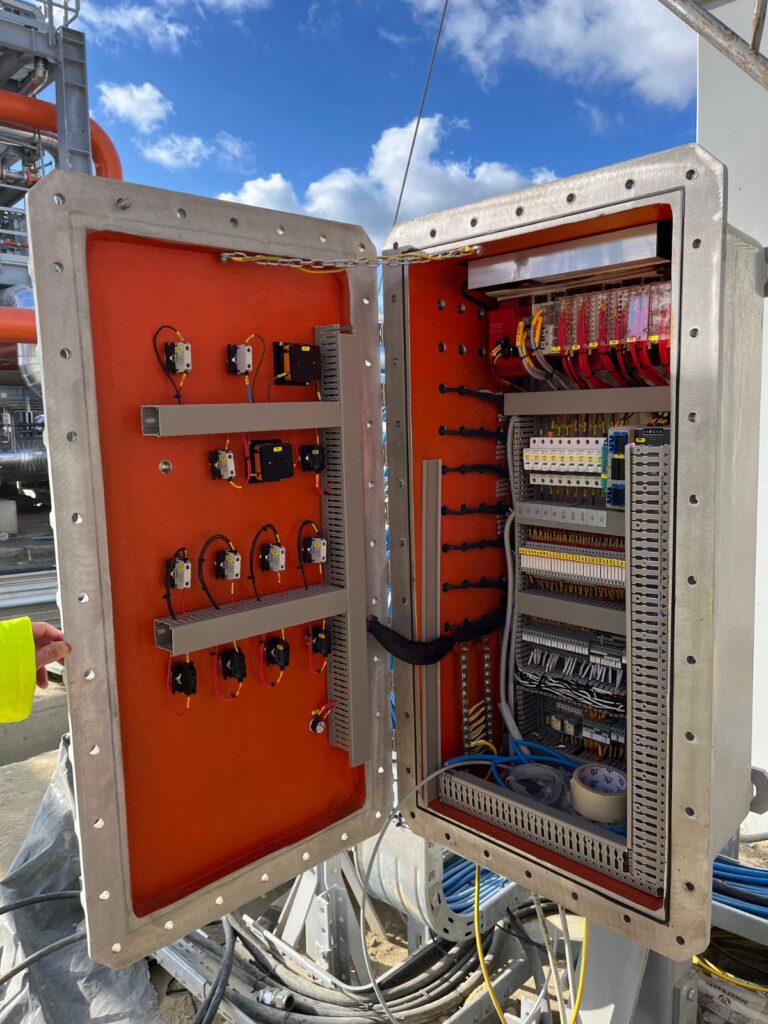
Low voltage systems play a vital role in everyday electrical infrastructure, powering everything from residential lighting to complex industrial control...
Devamını Oku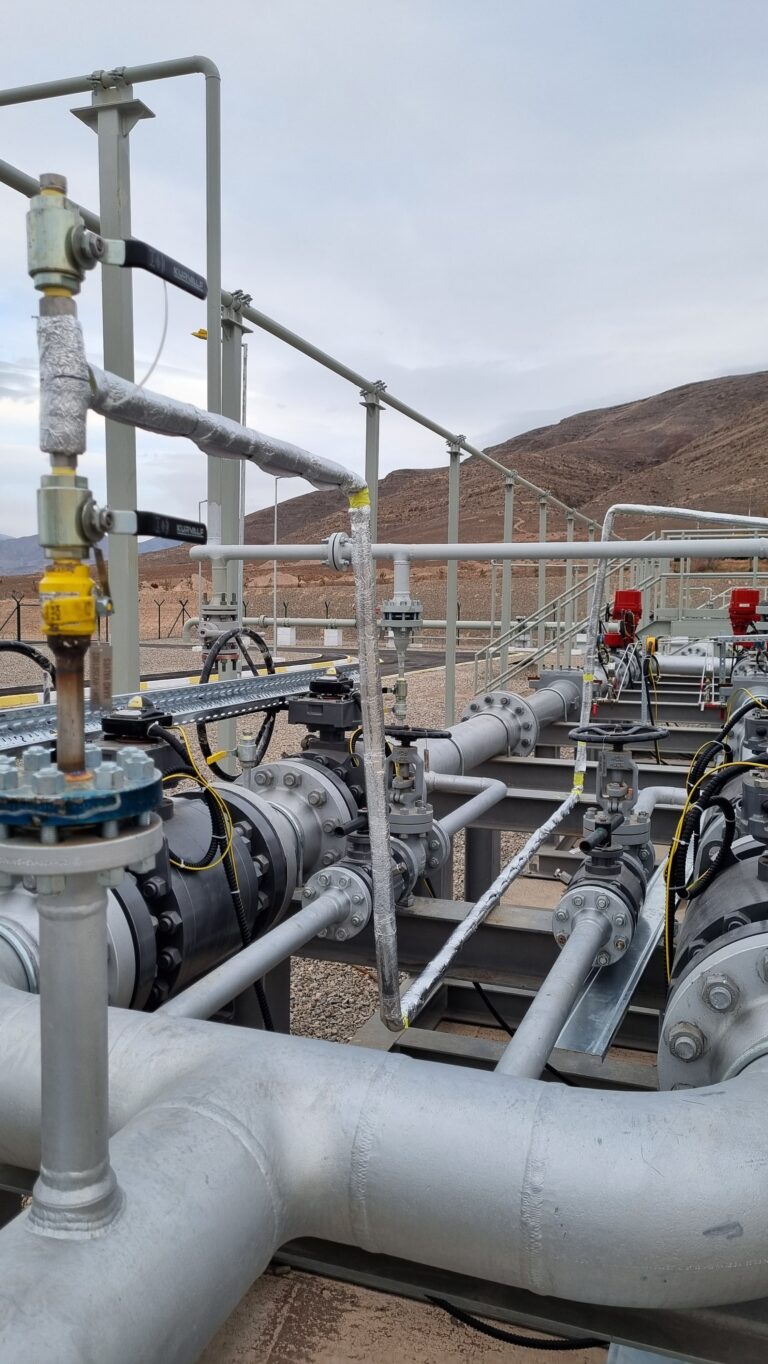
Heat tracing is a heating method used in industrial and commercial areas to prevent pipes, tanks, and other surfaces from...
Devamını Oku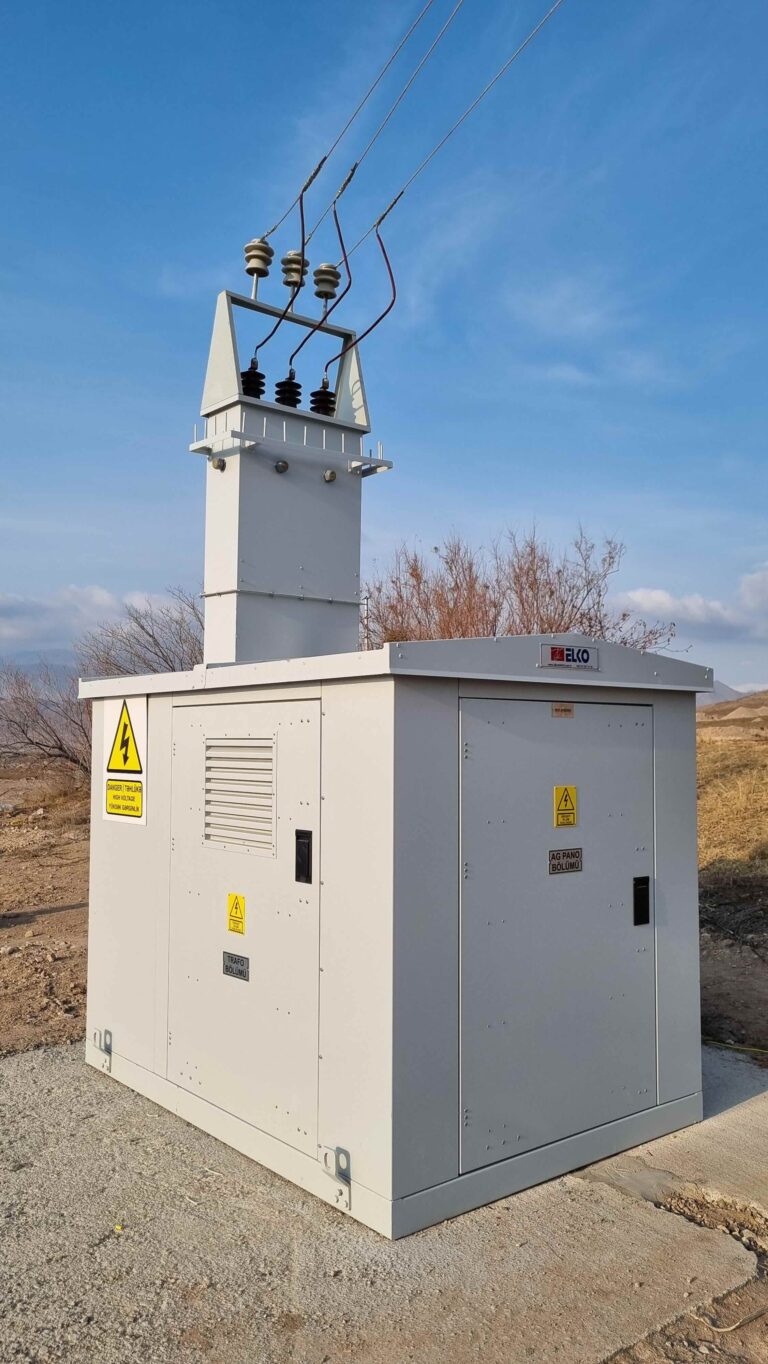
A transformer substation is a critical facility designed to convert electrical energy from high voltage to low voltage, ensuring safe...
Devamını Oku