



What is a Lightning Rod? Where is the Lightning Rod System Used?
Lightning is a natural phenomenon that poses serious risks to buildings, electrical systems, and human safety. A single lightning strike...
Devamını Oku
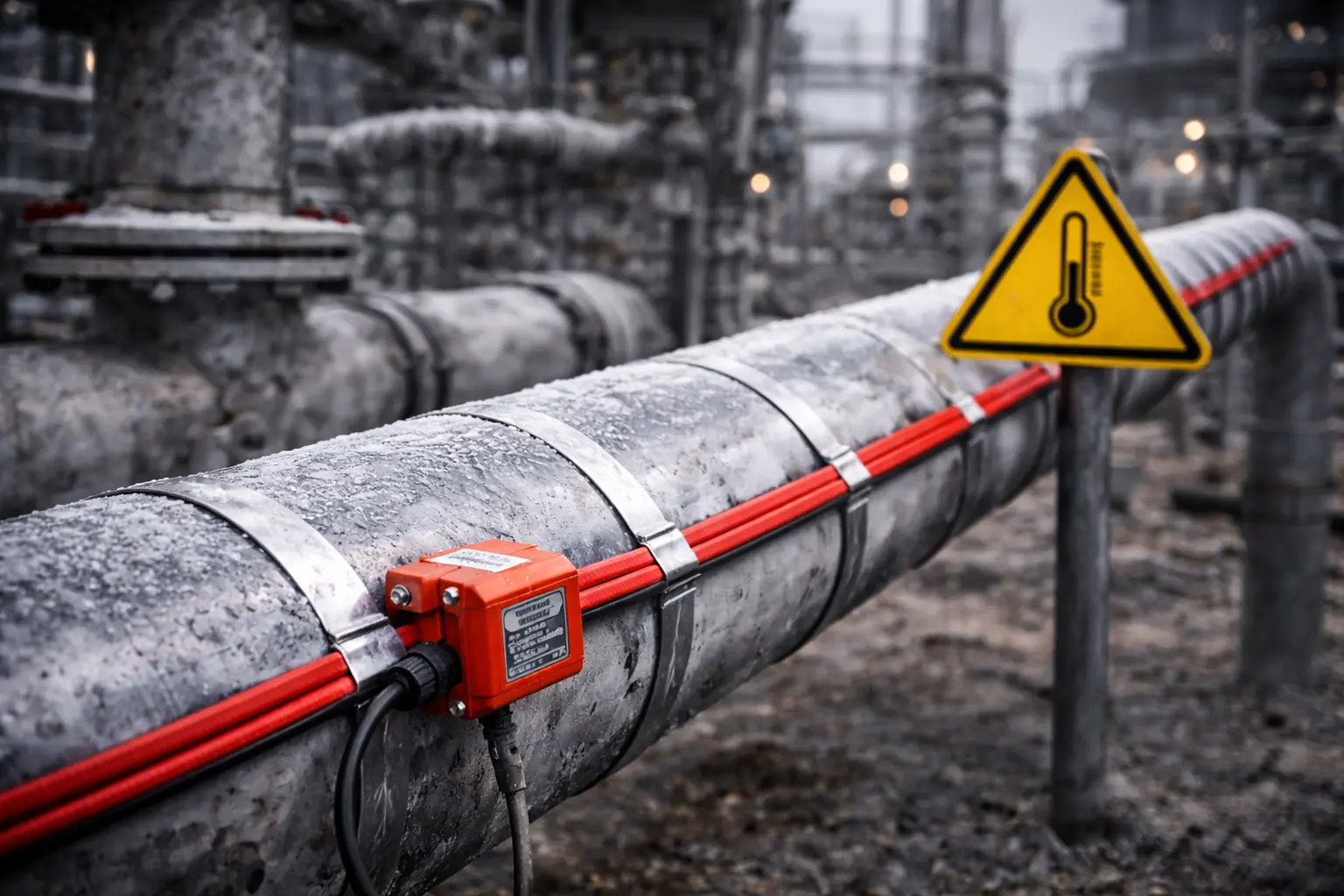
In industrial environments where temperature control is critical, maintaining consistent heat along pipelines, tanks, and process equipment is essential for operational reliability. One of the most widely used solutions for this purpose is the constant wattage heat trace cable. These cables are designed to deliver a fixed and predictable heat output along their entire length, ensuring that fluids do not freeze and that process temperatures remain stable. As energy management and process efficiency become even more important in 2026, selecting the right heat tracing solution has become a strategic decision rather than a purely technical one.
Constant wattage heat trace cables play a key role within broader heat tracing systems, offering a structured and controllable approach to industrial heating. For those unfamiliar with the concept, understanding what is heat tracing? is the first step in recognizing how these systems protect critical infrastructure. Unlike variable-output systems, constant wattage cables provide a stable and uniform heat profile, making them particularly suitable for applications where temperature fluctuations are not acceptable. This reliability makes them a preferred choice in industries such as oil & gas, chemical processing, and energy.
Another important aspect is predictability. Because these cables operate at a fixed power output, engineers can accurately calculate energy consumption, system load, and performance outcomes during the design phase. This reduces uncertainty during both installation and operation. Additionally, when integrated into modern heat trace systems, they contribute to improved process safety, reduced downtime, and better maintenance planning. Their structured performance makes them especially valuable in long pipeline applications and temperature-sensitive processes.
Ultimately, the question “when is it used?” is just as important as “what is it?”. Constant wattage heat trace cables are not a one-size-fits-all solution, but in the right scenarios, they provide unmatched stability and control. Their ability to deliver consistent heat regardless of environmental changes makes them a dependable choice for critical operations. Understanding their role, strengths, and limitations is essential for making the right engineering and procurement decisions.
A constant wattage heat trace cable is an electrical heating solution designed to deliver a fixed amount of heat output per unit length לאורך its entire circuit. Unlike adaptive systems, these cables maintain a consistent watt density regardless of ambient temperature conditions. This makes them particularly suitable for applications where maintaining a stable and predictable temperature is critical. They are widely used in industrial environments to prevent freezing and to ensure process temperature stability.
Structurally, constant wattage cables are built with parallel bus wires and evenly spaced heating elements (resistance zones). These heating zones generate heat when electrical current passes through them, ensuring uniform heat distribution across the cable length. Because of this design, the cable can be cut to specific lengths within defined intervals without losing performance consistency. This flexibility simplifies installation and allows engineers to tailor solutions based on system requirements.
One of the key advantages of constant wattage heat trace cables is their predictability. Since the power output does not vary, system designers can accurately calculate total energy consumption and heating capacity during the planning phase. However, because the cable does not self-adjust, it typically requires external control systems such as thermostats or temperature sensors to prevent overheating and optimize energy usage. This combination of stability and control makes it a reliable choice for industrial heat tracing applications.
A constant wattage cable operates using a parallel circuit design that incorporates two bus wires and multiple resistance heating elements spaced at fixed intervals. When electrical current flows through these resistance points, heat is generated uniformly along the cable. Each heating zone produces the same level of thermal output, ensuring that the cable delivers a consistent wattage regardless of its total installed length. This design enables reliable and evenly distributed heating across the entire system.
One of the defining characteristics of this working principle is that the cable does not respond to ambient temperature changes. Whether the surrounding environment becomes colder or warmer, the cable continues to produce the same amount of heat. This makes it highly effective for applications where temperature stability is essential, but it also means that external control mechanisms are necessary. Thermostats and control panels are typically integrated into the system to regulate operation and prevent unnecessary energy consumption or overheating.
Another important aspect of how constant wattage cables function is their predictability in engineering design. Because the power output per meter is fixed, engineers can precisely calculate total load requirements, circuit lengths, and energy consumption before installation. This simplifies system design and ensures there are no unexpected performance variations during operation. As a result, these cables are especially suitable for long pipeline systems and industrial processes where consistent and dependable heating is required.
Constant wattage heat trace cables are distinguished by their ability to deliver stable and predictable heating performance across a wide range of industrial applications. Their fixed power output ensures that each section of the cable produces the same amount of heat, making them ideal for systems where temperature consistency is critical. This characteristic not only improves process reliability but also simplifies system design and performance calculations.
Another defining feature is their structured internal design, which uses parallel conductors and evenly spaced heating zones. This allows the cable to maintain uniform heat distribution, even in long and complex installations. As a result, engineers can rely on these systems for consistent operation without worrying about heat loss variations along the cable length. This is particularly valuable in industries where even small temperature deviations can impact product quality or safety.
In addition, constant wattage cables are well-suited for integration with external control systems. Since they do not self-regulate, they are typically paired with thermostats and monitoring units to ensure efficient operation. This combination provides both stability and control, aligning with modern 2026 energy management strategies that prioritize efficiency, safety, and operational continuity.
One of the most important features of constant wattage cables is their ability to provide uniform heat output לאורך the entire cable length. Each heating zone is designed to produce the same wattage, ensuring that no section of the system is underheated or overheated. This consistency is essential in maintaining stable operating conditions.
Uniform heat distribution minimizes the risk of freezing in pipelines and prevents temperature fluctuations that could disrupt industrial processes. It also reduces mechanical stress on systems caused by uneven heating. As a result, facilities benefit from improved reliability and reduced maintenance requirements.
Constant wattage cables are particularly effective in applications where a specific temperature must be maintained consistently. Unlike adaptive systems, they do not fluctuate based on environmental changes, making them ideal for controlled process environments. This ensures that sensitive materials remain within required temperature ranges.
In industries such as chemical processing or energy production, even minor deviations can lead to inefficiencies or safety risks. By providing a stable heat source, these cables support precise temperature management. When combined with control systems, they offer both accuracy and operational safety.
In long pipeline or extended system applications, maintaining consistent heating performance can be challenging. Constant wattage cables address this issue by delivering equal heat output לאורך the entire installation, regardless of length. This makes them especially suitable for large-scale industrial facilities.
Their ability to perform consistently over long distances ensures that the beginning and end of a pipeline receive the same level of heating. This eliminates cold spots and enhances overall system efficiency. For industries that rely on uninterrupted flow and stable conditions, this feature is a major advantage.
Constant wattage cables are preferred in applications where maintaining a stable and predictable temperature is more important than adapting to environmental changes. In many industrial systems, fluctuations in temperature can lead to product degradation, flow issues, or even system failure. In such cases, a fixed heat output provides the reliability needed to ensure consistent operation. This makes constant wattage cables a strategic choice for engineers who prioritize control and predictability.
Another key reason for their preference is the ability to perform accurate energy and load calculations מראש. Since the cable delivers a fixed wattage per meter, system designers can precisely determine total power requirements during the planning phase. This is especially beneficial in large-scale industrial facilities where energy management and infrastructure planning are critical. It also reduces uncertainty during installation and helps avoid underperformance or overdesign.
Additionally, constant wattage cables are commonly selected when systems are equipped with centralized control units. Because they do not self-adjust, they work efficiently with thermostats and monitoring systems that regulate operation based on real-time temperature data. This combination supports modern 2026 priorities such as energy optimization, process safety, and operational continuity. As a result, they are often used in controlled environments where precision and stability are essential.
In systems where temperature must remain constant at all times, constant wattage cables provide a dependable solution. These applications often involve fluids that can freeze, thicken, or lose their properties if exposed to temperature variations. By delivering a fixed heat output, the cable ensures that the system remains within the required temperature range.
This is particularly important in outdoor pipelines or exposed systems where environmental conditions can change rapidly. A stable heating source eliminates the risk of cold spots and ensures continuous operation. As a result, industries that rely on uninterrupted flow and safety-critical processes frequently prefer this solution.
Many industrial processes depend on maintaining a specific temperature to ensure product quality and system efficiency. Constant wattage cables are ideal in such scenarios because they provide uninterrupted and stable heating לאורך the process line. This prevents temperature fluctuations that could negatively affect production outcomes.
In sectors such as chemical processing, oil & gas, and food production, maintaining process temperature is directly linked to quality control. A consistent heat source supports uniform processing conditions and reduces the risk of defects or system interruptions. This makes constant wattage cables a key component in process reliability.
Predictability is a major advantage in industrial system design, and constant wattage cables deliver exactly that. Because their power output does not change, engineers can accurately forecast energy consumption and system behavior. This simplifies both design and long-term operational planning.
In large facilities, where multiple heating circuits are installed, having predictable power requirements allows for better load balancing and infrastructure optimization. It also supports budgeting and energy efficiency strategies. For this reason, constant wattage cables are often chosen in projects where planning accuracy and operational transparency are essential.
Constant wattage heat trace cables are widely used across industries where maintaining temperature stability is essential for safe and efficient operations. Their ability to provide consistent heat output makes them particularly valuable in environments where fluctuations could lead to process disruptions, product quality issues, or equipment damage. From pipelines to storage systems, these cables play a critical role in ensuring operational continuity.
These systems are commonly implemented to prevent freezing, maintain fluid viscosity, and support process temperature requirements. In harsh environmental conditions, especially in outdoor or exposed installations, constant wattage cables provide a reliable heating solution that does not depend on ambient temperature changes. This makes them a preferred option in industries such as oil & gas, chemical processing, water treatment, and energy production.
In 2026, with increased focus on energy efficiency and system reliability, these cables are often integrated into advanced monitoring and control infrastructures. When combined with automation systems, they allow real-time temperature management and improved maintenance planning. This not only enhances safety but also reduces downtime and operational costs, making them a strategic investment for industrial facilities.
Pipelines are one of the most common applications for constant wattage heat trace cables. These systems ensure that fluids remain at the required temperature לאורך the entire pipeline, preventing freezing or thickening that could interrupt flow. This is especially critical in long-distance transport lines where temperature loss can be significant.
In process facilities, maintaining stable temperatures is directly linked to production efficiency and safety. Constant wattage cables provide uniform heating, ensuring that all parts of the system operate تحت optimal conditions. This reduces the risk of blockages, pressure build-up, and process inconsistencies, contributing to smoother operations.
Storage tanks, valves, and critical equipment often require consistent heating to function properly, especially in low-temperature environments. Constant wattage cables are used to maintain these components within safe operating temperature ranges. This prevents issues such as freezing, crystallization, or viscosity changes in stored materials.
In addition, uniform heat distribution across equipment surfaces ensures that there are no localized cold spots. This improves both safety and efficiency, particularly in industries handling sensitive or hazardous materials. As a result, equipment lifespan is extended, and maintenance requirements are reduced.
In industrial storage and transfer systems, maintaining product temperature is crucial for preserving material properties. Constant wattage cables ensure that liquids remain in a flowable state לאורך transfer lines, preventing delays and operational disruptions. This is particularly important for substances that become highly viscous at lower temperatures.
These cables also support consistent conditions during loading and unloading operations, ensuring smooth transfer between storage units and processing systems. By providing stable and predictable heating, they help maintain product integrity and operational efficiency. This makes them an essential component in modern industrial logistics and storage infrastructure.
In industrial heat tracing systems, one of the most important decisions is choosing between self-regulating and constant wattage cables. While both technologies are designed to maintain temperature and prevent freezing, they differ significantly in how they operate and where they are best applied. Understanding these differences is essential for making the right engineering and procurement decisions, especially in 2026 where energy efficiency and system optimization are top priorities.
Self-regulating cables automatically adjust their heat output based on ambient temperature, while constant wattage cables deliver a fixed and stable power output לאורך the entire cable. This fundamental difference directly impacts performance, control requirements, and application suitability. In environments where temperature conditions fluctuate frequently, self-regulating cables offer flexibility, whereas constant wattage cables provide precision and predictability in controlled systems.
The choice between these two technologies should be based on system requirements, operational goals, and long-term cost considerations. Factors such as temperature sensitivity, installation environment, and energy management strategy all play a role. Selecting the right type not only improves system performance but also enhances safety, reduces downtime, and ensures efficient resource utilization.
The primary difference lies in how each cable generates and controls heat. Self-regulating cables use a polymer core that changes its electrical resistance based on temperature, automatically reducing heat output as the temperature rises. This built-in regulation minimizes the risk of overheating and reduces the need for external controls.
In contrast, constant wattage cables operate with fixed resistance heating elements that produce the same level of heat regardless of environmental conditions. This requires the use of thermostats or control systems to manage temperature and prevent excessive heating. While this adds complexity, it also provides a more controlled and stable heating profile.
Self-regulating cables are typically used in applications where environmental conditions vary significantly, such as outdoor piping exposed to changing weather. Their adaptive nature makes them energy-efficient in such scenarios, as they only produce the heat that is needed at any given time.
Constant wattage cables, on the other hand, are preferred in applications where a specific temperature must be maintained consistently לאורך the system. These include process lines, chemical handling systems, and long pipelines where uniform heat distribution is critical. The selection depends on whether flexibility or precision is the priority.
From a cost perspective, self-regulating cables often have a higher initial investment but can offer energy savings over time due to their adaptive operation. They may also reduce the need for complex control systems, which can lower installation costs in some cases.
Constant wattage cables generally provide more predictable energy consumption, making them easier to budget and manage in large-scale operations. However, they require additional control components to ensure efficient operation. The overall cost-effectiveness depends on the application, operating conditions, and long-term maintenance strategy.
Selecting the right constant wattage heat trace cable is a critical step that directly impacts system performance, safety, and long-term operational efficiency. An incorrect selection can lead to insufficient heating, excessive energy consumption, or even equipment damage. For this reason, the selection process should be approached with a comprehensive evaluation of both technical requirements and environmental conditions.
The first step in proper selection is accurately determining the heat loss and required heating capacity of the system. Factors such as pipe diameter, insulation type, ambient temperature, and fluid characteristics must all be considered. These variables influence how much heat is needed to maintain the desired temperature. A well-calculated system ensures optimal energy use while maintaining process reliability.
In addition, modern industrial expectations in 2026 emphasize energy management, automation compatibility, and system longevity. Therefore, it is not enough to focus only on immediate needs; long-term operational efficiency and maintenance planning must also be considered. A properly selected cable contributes to reduced downtime, improved safety, and more predictable operational costs.
Line length and required power density are among the most critical parameters in cable selection. Longer pipelines naturally experience greater heat loss, which means higher wattage cables may be necessary to maintain consistent temperatures לאורך the system. Failing to match the correct power density can result in cold spots or overheating.
Accurate engineering calculations ensure that the selected cable delivers sufficient heat without wasting energy. This is particularly important in large-scale facilities where even small inefficiencies can lead to significant cost increases. Proper alignment between line length and power output ensures stable and efficient system performance.
Ambient temperature plays a major role in determining the heating requirements of a system. In colder environments, heat loss increases significantly, requiring more robust heating solutions. Constant wattage cables must be selected with these external conditions in mind to ensure reliable operation.
Insulation quality is equally important. High-quality insulation reduces heat loss and allows the system to operate more efficiently. When insulation is inadequate, even high-performance cables may struggle to maintain the desired temperature. Therefore, cable selection should always be evaluated יחד with insulation design to achieve optimal results.
Because constant wattage cables do not self-regulate, integrating proper control systems is essential. Thermostats, sensors, and control panels ensure that the system operates within safe temperature limits and avoids unnecessary energy consumption. This not only improves efficiency but also enhances system safety.
Compatibility with existing electrical and automation infrastructure is another key consideration. The selected cable must align with the facility’s power supply, control systems, and installation conditions. A well-integrated system provides better monitoring, easier maintenance, and longer service life, making it a more sustainable solution in the long run.
Choosing the right constant wattage cable is not just a technical decision—it is a critical factor that directly influences system reliability, energy efficiency, and process safety. In industrial environments where temperature control is essential, even minor miscalculations in cable selection can lead to serious consequences such as process interruptions, product degradation, or equipment damage. This is why a well-informed selection process is vital for ensuring stable and continuous operations.
A properly selected cable ensures that the required temperature is maintained consistently לאורך the system without excessive energy consumption. This balance is essential in 2026, where energy optimization and sustainability goals are becoming central to industrial operations. When the cable matches the exact requirements of the application, it minimizes heat loss, reduces unnecessary power usage, and supports efficient system performance. This not only lowers operational costs but also contributes to environmental responsibility.
From a long-term perspective, correct cable selection also reduces maintenance needs and extends system lifespan. Systems designed with the right components experience fewer failures, require less intervention, and provide more predictable performance over time. This is especially important in large-scale facilities where downtime can result in significant financial losses. Additionally, accurate selection improves compatibility with control systems, enhancing monitoring and automation capabilities.
Ultimately, the right constant wattage cable supports a holistic approach to industrial efficiency—combining performance, safety, and cost control. It ensures that heat tracing systems operate as intended, protecting both infrastructure and processes. For engineering, procurement, and maintenance teams, making the right choice is key to achieving operational continuity and long-term success.
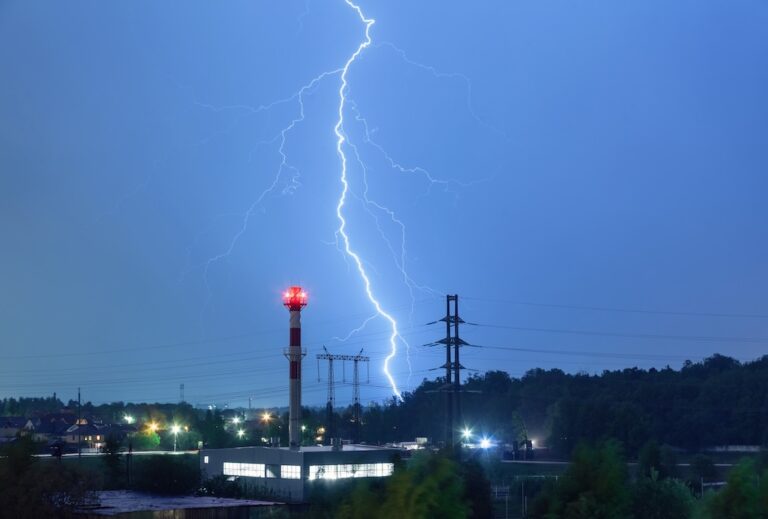
Lightning is a natural phenomenon that poses serious risks to buildings, electrical systems, and human safety. A single lightning strike...
Devamını Oku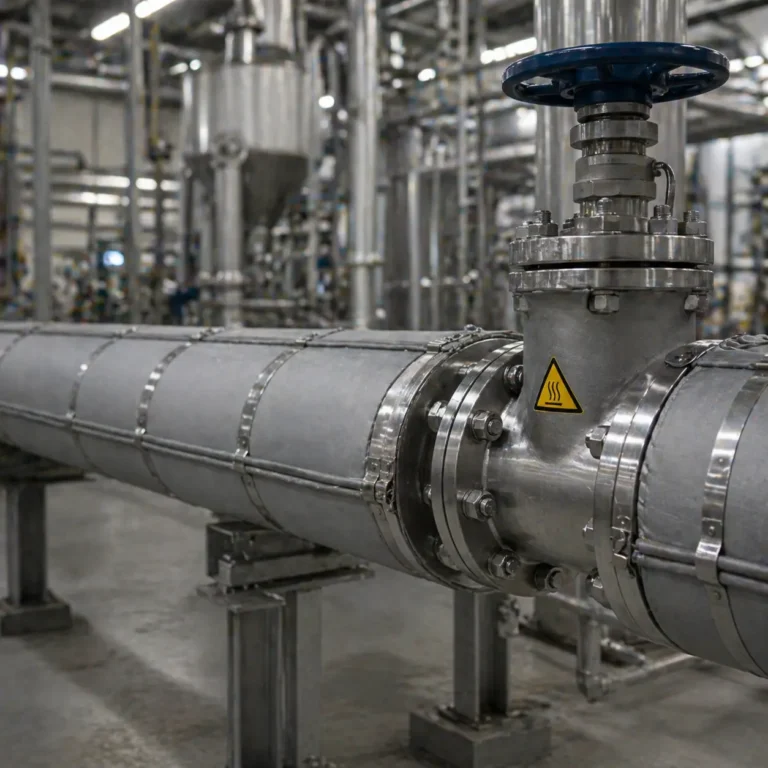
Heat tracing systems are critical for maintaining process temperatures, preventing freezing, and ensuring operational continuity in industrial environments. However, even...
Devamını Oku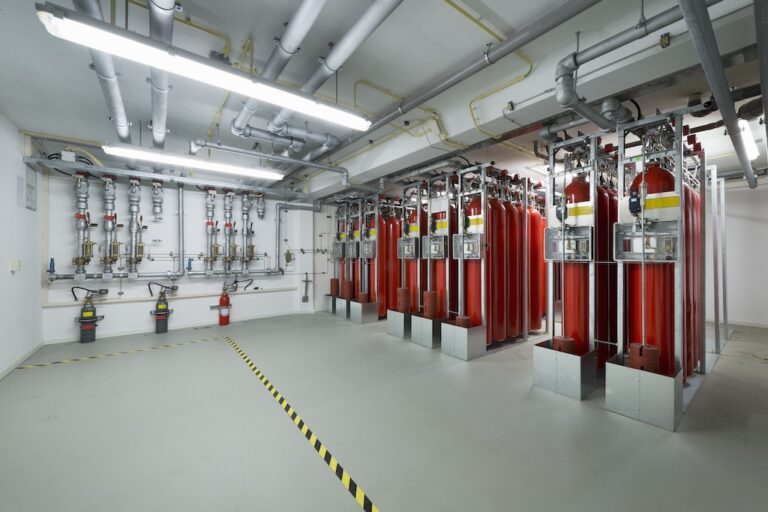
Fire suppression systems are essential safety measures designed to control and extinguish fires quickly and effectively. The FM200 fire extinguishing...
Devamını Oku