



What is a Hermetic Transformer, How Does it Work, and Where is it Used?
A hermetic transformer is one of the most essential components in ensuring that electrical energy is transferred safely, efficiently, and...
Devamını Oku
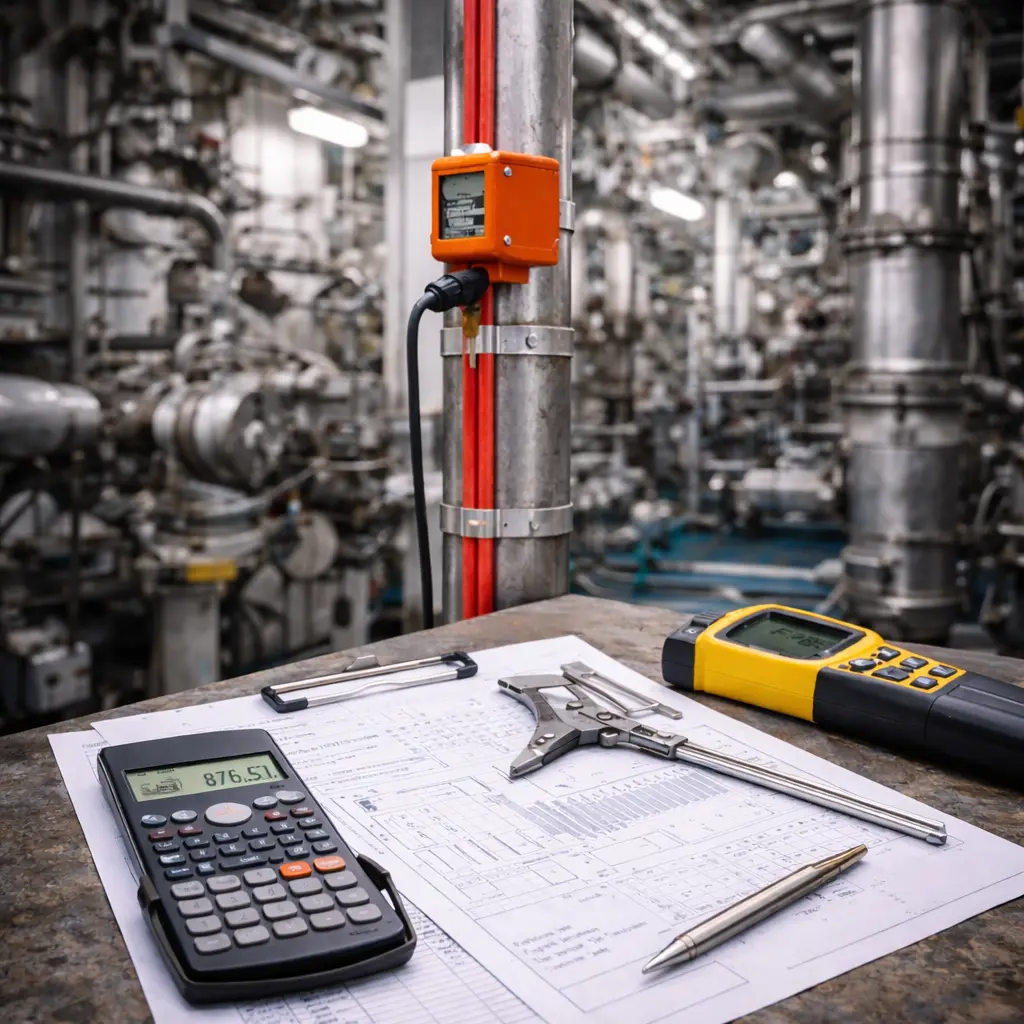
Heat tracing systems are critical in industrial environments to prevent freezing, maintain fluid viscosity, and ensure uninterrupted process flow. However, the success of these systems depends heavily on accurate engineering calculations. At the core of these calculations lies one essential factor: correct and complete technical data. Without reliable input data, even the most advanced calculation methods will produce inaccurate results, leading to performance issues or unnecessary energy consumption.
In many projects, the most common mistakes in heat tracing design stem not from calculation errors, but from missing or incorrect data. A system designed with incomplete pipe specifications, inaccurate temperature assumptions, or overlooked environmental conditions can result in underperformance or excessive operational costs. This is why understanding what is heat tracing? is fundamental before diving into calculations—it highlights that this is not just a cable installation, but a comprehensive thermal management solution.
A well-designed system balances heat loss and heat input precisely. To achieve this, engineers must evaluate multiple variables simultaneously, including pipe geometry, insulation properties, ambient conditions, and operational temperatures. Modern heat tracing systems may use advanced software tools, but the accuracy of these tools is entirely dependent on the quality of the data entered.
From an engineering perspective, gathering the right data is not just a preparatory step—it is the foundation of the entire design process. At Adatech, every project begins with a detailed analysis of technical inputs to ensure reliable and energy-efficient solutions. This approach minimizes risks, optimizes performance, and ensures long-term system durability.
This guide is designed as a technical decision-making resource. Instead of focusing on formulas, it explains which data is required, why it matters, and how missing information can impact the final design. By the end, readers will have a clear understanding of what information they need to prepare before starting a heat tracing calculation.
The foundation of any heat tracing calculation lies in accurately determining the balance between heat loss and heat input. Every pipeline exposed to an external environment continuously loses heat, and the purpose of a heat tracing system is to compensate for that loss in a controlled and efficient manner. This balance is not theoretical—it is highly dependent on real-world conditions such as ambient temperature, insulation performance, and pipe characteristics. Therefore, the calculation process begins with understanding how much heat is being lost from the system under worst-case conditions.
At its core, heat tracing design is based on energy equilibrium. The system must supply just enough heat to maintain the desired temperature without excessive energy consumption. If the calculated heat input is too low, the pipeline may freeze or the fluid may lose its required properties. On the other hand, excessive heat input leads to unnecessary energy costs and can even damage system components over time. This makes accurate data input not just important, but essential for system reliability and efficiency.
Another critical aspect of this foundation is that heat tracing calculations are not static. Environmental conditions such as wind speed, installation location, and exposure can significantly influence heat loss. As a result, engineers must consider dynamic variables rather than relying on fixed assumptions. Designing based on average conditions is a common mistake; instead, calculations should reflect the most extreme operating scenarios to ensure system resilience.
Moreover, the calculation basis extends beyond physics into practical engineering judgment. Factors such as installation quality, aging insulation, and operational fluctuations must also be considered. This is why experienced engineering teams prioritize data validation before proceeding with system design. A small deviation in input data can lead to large discrepancies in required heating power.
Ultimately, the basis of a heat tracing calculation is a precise understanding of how heat behaves within a specific system under real conditions. When supported by accurate and comprehensive data, this approach ensures optimal system performance, energy efficiency, and long-term operational stability.
Pipe and line details are among the most influential parameters in heat tracing calculations because they directly determine how much heat is lost from the system. The geometry, material, and configuration of a pipeline define the surface area exposed to ambient conditions, which in turn dictates the rate of heat transfer. Even under identical environmental conditions, two pipelines with different diameters or materials can exhibit significantly different heat loss behaviors. Therefore, accurate pipe data is essential for determining the correct heating requirement.
In addition to basic dimensions, the complexity of the pipeline layout also plays a major role. Real-world systems are rarely straight runs; they include bends, valves, flanges, and support structures that increase surface area and create localized heat loss zones. Ignoring these elements can lead to underestimation of total heat loss, resulting in insufficient heating capacity. This is one of the most common causes of performance issues in poorly designed heat tracing systems.
Another important consideration is the material composition of the pipe. Different materials have different thermal conductivities, which affect how heat is transferred through the pipe wall. For example, metallic pipes tend to conduct heat more efficiently than plastic ones, leading to different heat loss profiles. Without accurate material data, calculations may deviate significantly from actual performance.
From a project perspective, pipe and line data must be collected collaboratively between engineering, design, and field teams. Missing or assumed values can compromise the entire calculation process. This is why detailed line lists and isometric drawings are often used as primary data sources during system design.
In summary, pipe and line details form the structural backbone of heat tracing calculations. Without precise information in this area, it is impossible to achieve a reliable and efficient system design.
Pipe diameter directly affects the external surface area, which is the primary factor in heat loss calculations. As the diameter increases, the exposed area grows, leading to higher heat loss per unit length. Similarly, pipe length determines the total heat demand across the system. Long pipelines require careful segmentation and analysis to ensure consistent heating performance throughout the entire length.
Material composition is equally critical, as it defines the thermal conductivity of the pipe. Materials such as carbon steel, stainless steel, or polymers each respond differently to heat transfer. Incorrect material assumptions can result in inaccurate heat loss calculations and improper cable selection. Therefore, precise identification of pipe material properties is essential for a reliable design.
Valves, flanges, and support points introduce additional complexity into heat tracing calculations because they act as localized heat loss amplifiers. These components typically have larger surface areas and irregular geometries, which increase their exposure to ambient conditions. As a result, they lose heat more rapidly than standard pipe sections.
Moreover, these elements often require special installation techniques, such as additional cable loops or higher watt density, to compensate for increased heat loss. Ignoring their impact can lead to cold spots within the system, potentially causing freezing or process interruptions. For this reason, each component must be individually evaluated and included in the overall heat loss calculation.
Temperature data is one of the most critical components in heat tracing calculations because it directly defines the thermal gradient between the pipeline and its surrounding environment. This temperature difference is the primary driver of heat loss, making accurate temperature inputs essential for determining the required heating capacity. Without clearly defined temperature values, even the most detailed pipe and insulation data cannot produce reliable results.
A key principle in evaluating temperature data is that calculations should always be based on worst-case conditions rather than average values. In real-world applications, environmental temperatures can fluctuate significantly, and designing a system based on average conditions may result in failure during extreme weather. Therefore, engineers must consider the lowest possible ambient temperature and ensure that the system can maintain the required process temperature under those conditions.
In addition to ambient temperature, the desired pipeline temperature must be clearly defined. This value depends on the specific process requirements, such as preventing freezing, maintaining viscosity, or ensuring proper chemical reactions. Different applications require different temperature thresholds, and even small deviations can impact system performance. For this reason, temperature targets must be established based on technical process data rather than assumptions.
Another important factor is the maximum temperature that the system may be exposed to during operation. This includes not only normal operating conditions but also exceptional scenarios such as steam cleaning or process upsets. These high-temperature exposures can affect the durability and safety of heat tracing components, particularly heating cables.
Ultimately, evaluating temperature data is not just about selecting numbers—it is about understanding how those values interact with the system as a whole. Accurate and well-defined temperature inputs ensure that the heat tracing system performs reliably, efficiently, and safely under all operating conditions.
The minimum ambient temperature represents the most extreme cold condition that the system is expected to encounter. This value is crucial because heat tracing systems must be designed to perform effectively even under the harshest environmental conditions. Typically, this data is obtained from historical weather records or site-specific environmental studies.
If the minimum ambient temperature is underestimated, the system may fail during cold periods, leading to freezing or process disruption. Therefore, it is standard practice to use conservative estimates and include a safety margin to ensure system reliability.
The target pipeline temperature defines the minimum temperature that must be maintained within the pipe to ensure proper operation. This value varies depending on the type of fluid and the process requirements. For example, some fluids require only freeze protection, while others need precise temperature control to maintain viscosity or chemical stability.
Accurate identification of this temperature is essential because it directly influences the required heating power. Incorrect assumptions can either lead to energy inefficiency or insufficient heating performance, both of which can negatively impact operations.
The maximum expected temperature is a critical parameter for selecting appropriate heat tracing components, especially heating cables. This value reflects the highest temperature the system may encounter, including abnormal or transient conditions such as maintenance procedures or process fluctuations.
If this parameter is ignored or underestimated, system components may degrade prematurely or fail under high-temperature exposure. Therefore, considering maximum temperature scenarios is essential for ensuring long-term durability and operational safety.
In heat tracing calculations, primary data such as pipe size and temperature values form the baseline, but additional parameters are often what make the difference between a theoretical design and a system that performs reliably in real conditions. These additional data points refine the accuracy of heat loss calculations by accounting for real-world variables that are frequently overlooked. Without them, calculations may appear correct on paper but fail to deliver expected results in operation.
One of the most influential additional factors is insulation. While it is commonly included in calculations, its detailed properties—such as thickness, thermal conductivity, and installation quality—are often simplified or assumed. In reality, insulation performance can vary significantly depending on material type and environmental exposure. Even small deviations in insulation data can lead to substantial differences in calculated heat loss.
Environmental conditions also play a crucial role. External factors such as wind speed, humidity, and whether the pipeline is installed indoors or outdoors can dramatically affect heat transfer rates. Wind, in particular, increases convective heat loss, making exposed pipelines far more vulnerable than sheltered ones. Therefore, understanding the installation environment is essential for accurate system design.
Another often overlooked aspect is installation configuration. Whether a pipe is elevated, in contact with a surface, buried, or enclosed within a structure will influence how heat is lost. These variations must be considered to avoid underestimating or overestimating the required heating capacity. Standard assumptions rarely reflect these nuances, which is why project-specific data is critical.
Insulation thickness and material type are among the most decisive factors affecting heat loss. Increasing insulation thickness generally reduces heat loss, but the effectiveness of insulation also depends on its thermal conductivity. Materials such as mineral wool, fiberglass, or elastomeric foam each have different performance characteristics, even at the same thickness.
Therefore, simply stating that insulation is present is not sufficient. Detailed technical data—including material type, conductivity values, and installation quality—must be included in the calculation. Incorrect insulation assumptions can lead to either oversized systems or insufficient heating performance.
Ambient conditions significantly influence the rate of heat loss from a pipeline. Among these, wind is one of the most impactful factors, as it enhances convective heat transfer and accelerates heat dissipation. Pipelines installed in open, exposed environments will lose heat much faster than those located indoors or in sheltered areas.
Installation conditions further complicate this picture. Whether the pipeline is mounted on supports, attached to structures, or routed underground affects how heat is transferred to the surroundings. For this reason, a detailed assessment of both environmental and installation conditions is essential for achieving accurate heat tracing calculations.
In heat tracing projects, power calculations are often approached with a focus on primary parameters such as pipe size, insulation, and temperature. However, some of the most critical errors arise from overlooking secondary data that significantly impacts the total heat demand. These overlooked details can cause the system to operate at the limits of its capacity or fail under certain conditions. As a result, even a technically “correct” calculation can lead to unreliable system performance if key data points are missing.
One of the most common issues is the assumption that pipelines behave uniformly along their entire length. In reality, additional components such as valves, supports, and instrumentation introduce variations in heat loss. These localized differences require additional heating capacity, which is often not included in simplified calculations. Ignoring these factors can result in cold spots, which are particularly dangerous in freeze protection applications.
Another frequently missed aspect is the inclusion of a safety margin. While engineers may calculate the exact required power based on current conditions, real-world systems are subject to uncertainties such as insulation degradation, environmental fluctuations, and operational changes. Without a proper safety margin, the system may perform adequately at first but fail over time as conditions evolve.
Additionally, operational continuity must be considered during power calculations. Heat tracing systems are expected to function continuously, often in harsh environments. This requires not only accurate initial calculations but also resilience against unexpected variations. Designing without considering long-term performance can lead to increased maintenance costs and system downtime.
Additional equipment such as valves, filters, instruments, and flanges significantly increase localized heat loss due to their geometry and surface area. These components often require more heating than straight pipe sections, yet they are frequently excluded from initial calculations. This omission can lead to insufficient heating in critical areas.
To ensure system reliability, each piece of equipment must be evaluated individually, and its additional heat demand must be included in the total power calculation. This is especially important in complex industrial systems where such components are abundant.
A safety margin is essential in heat tracing design to account for uncertainties and long-term changes in operating conditions. Factors such as aging insulation, environmental variability, and process fluctuations can all increase heat loss over time. Including a safety margin ensures that the system remains effective even as these changes occur.
System continuity is equally important, as heat tracing systems are often required to operate without interruption. Designing with adequate capacity and resilience reduces the risk of failure and ensures consistent performance throughout the system’s lifecycle.
A reliable heat tracing calculation always begins with accurate and complete data because every output in the design process is directly dependent on the quality of the input. No matter how advanced the calculation method or software is, incorrect or missing data will inevitably lead to flawed results. In practical terms, this means that system performance, energy efficiency, and operational safety are all at risk when data integrity is compromised. Therefore, accurate data is not just a requirement—it is the foundation of a successful heat tracing design.
One of the most common challenges in projects is the tendency to proceed with assumptions when data is incomplete. While this may accelerate the initial design phase, it often leads to costly revisions later. Systems designed with estimated pipe details, generalized temperature values, or incomplete environmental data frequently fail to meet real operational demands. This results in either insufficient heating or excessive energy consumption, both of which negatively impact project outcomes.
Accurate data also enables better collaboration across different teams involved in a project. Engineering, procurement, and installation teams all rely on the same dataset to make critical decisions. When this data is consistent and reliable, it reduces miscommunication, prevents incorrect material selection, and ensures that the system is installed as intended. This alignment is particularly important in large-scale industrial applications where even small discrepancies can lead to significant issues.
Furthermore, starting with accurate data allows for better long-term performance and scalability. Heat tracing systems are expected to operate continuously under varying conditions, and designs based on precise data are more adaptable to these changes. Whether it is a drop in ambient temperature, degradation of insulation, or process modifications, a well-designed system can accommodate these variations without compromising performance.
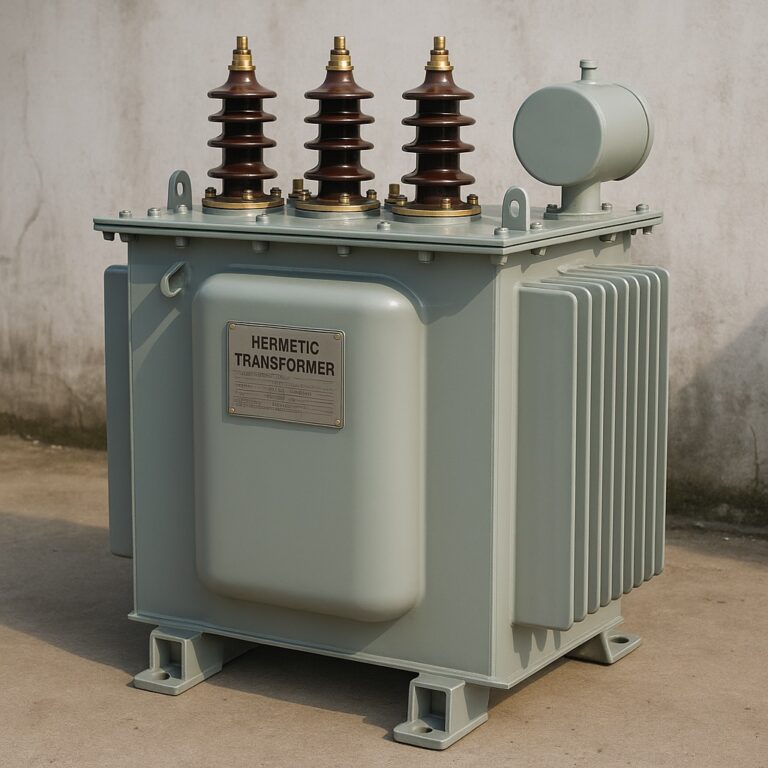
A hermetic transformer is one of the most essential components in ensuring that electrical energy is transferred safely, efficiently, and...
Devamını Oku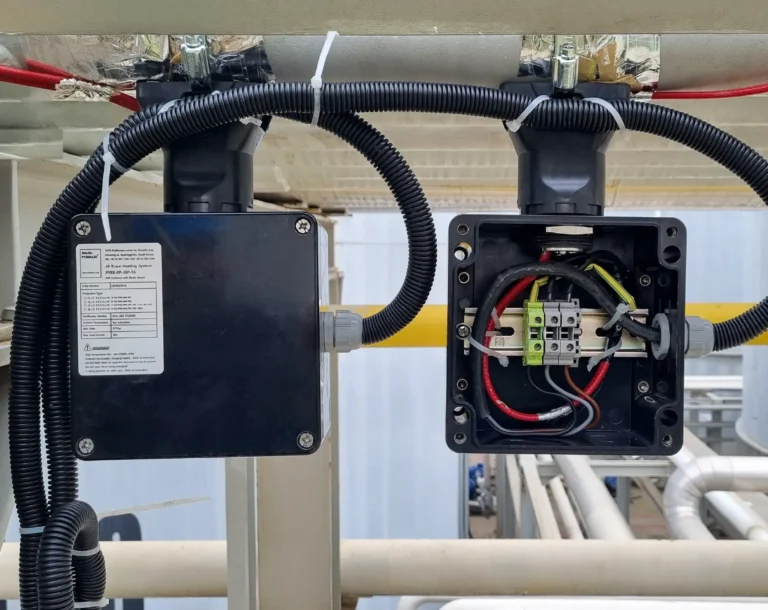
Heat tracing systems play a critical role in maintaining process temperatures in pipelines, tanks, and industrial equipment. These systems are...
Devamını Oku
An industrial router is a highly durable and advanced networking device designed to deliver reliable and uninterrupted internet connectivity in...
Devamını Oku