



What is a Lightning Rod? Where is the Lightning Rod System Used?
Lightning is a natural phenomenon that poses serious risks to buildings, electrical systems, and human safety. A single lightning strike...
Devamını Oku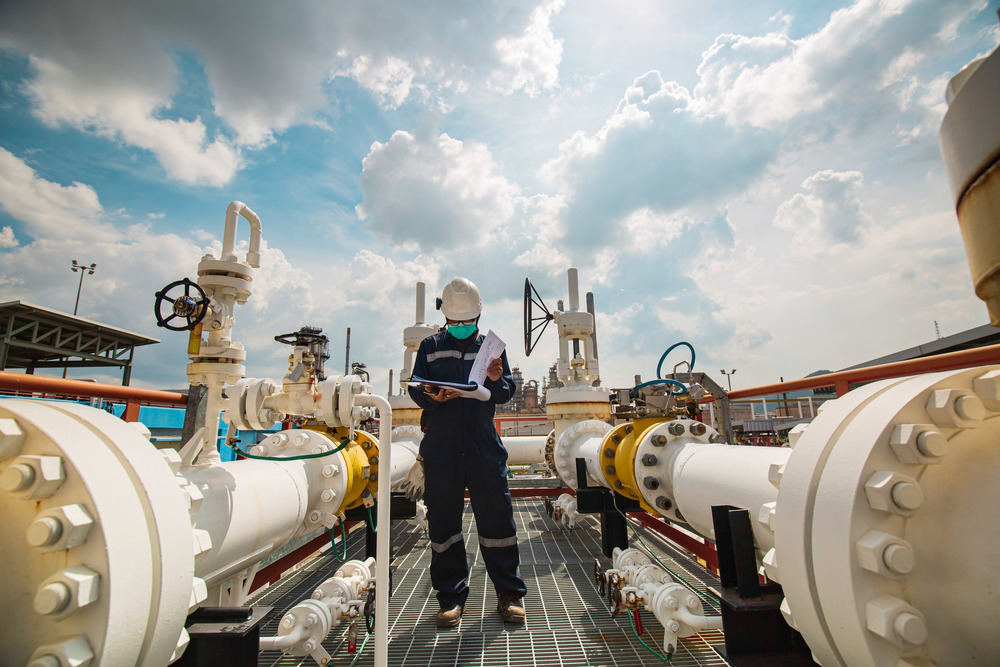
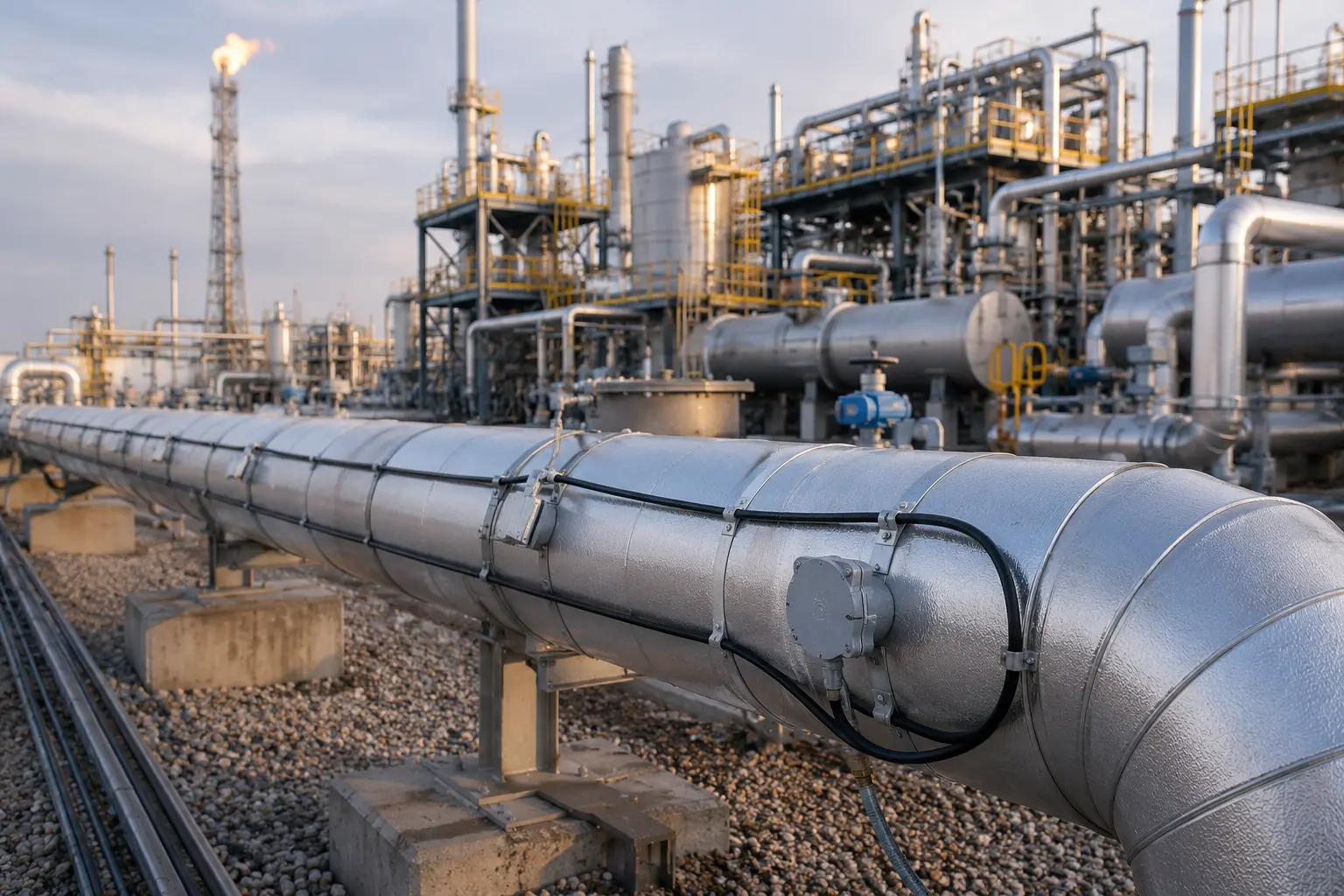
Heat tracing systems play a critical role in ensuring operational continuity, safety, and efficiency in oil and gas facilities. Pipelines, valves, and process equipment are often exposed to harsh environmental conditions that can lead to temperature drops, fluid solidification, and process disruptions. To prevent such issues, heat tracing systems are designed to maintain or raise the temperature of fluids within pipelines and equipment. In oil and gas heat tracing applications, the design process involves much more than simply selecting a heating cable. Engineers must consider environmental factors, insulation properties, hazardous area classifications, and system control strategies. A well-designed pipeline heating system ensures consistent temperature distribution, reduces energy losses, and extends equipment lifespan. Adatech, with its innovative engineering approach and comprehensive project capabilities, delivers solutions aligned with international standards, covering everything from design to commissioning. Heat tracing design is essential for maintaining process integrity, preventing downtime, and ensuring safe operations. This content explores the importance, required data, design criteria, and operational considerations of heat tracing systems in oil and gas facilities.
Heat tracing is widely used in oil and gas facilities to maintain process stability and prevent operational issues caused by temperature fluctuations. In such environments, fluids like crude oil, gas condensates, and chemicals are highly sensitive to temperature changes. When temperatures drop below critical levels, these fluids can thicken, crystallize, or even freeze, leading to blockages and production downtime. This is where industrial heat tracing systems become essential, ensuring that pipelines and equipment operate within the required temperature range. A properly designed system helps maintain flow assurance and prevents costly interruptions. Additionally, a reliable pipeline heating in oil and gas facilities approach supports consistent production rates and enhances overall plant efficiency.
Another key reason for using heat tracing is process temperature protection, which is vital for maintaining product quality and ensuring that chemical reactions occur under optimal conditions. Without proper temperature control, processes can become unstable, resulting in off-spec products or safety risks. Heat tracing systems also play a significant role in preventing hydrate formation and wax deposition in pipelines. By performing an accurate heat loss calculation, engineers can determine the exact heating requirements and optimize energy consumption. This not only improves system reliability but also reduces operational costs. Overall, heat tracing is a fundamental component in modern oil and gas facilities, ensuring safety, efficiency, and continuous operation.
Before initiating a heat tracing project in oil and gas facilities, it is essential to define critical engineering data to ensure system accuracy and efficiency. Establishing clear heat tracing design criteria begins with identifying the physical and thermal properties of the fluid within the pipeline. Parameters such as density, viscosity, freezing point, and required operating temperature must be carefully analyzed. In addition, pipe diameter, material, length, and the number of fittings like valves and flanges significantly influence the overall heat demand. Environmental factors such as minimum ambient temperature, wind speed, and exposure conditions must also be evaluated, as they directly affect heat loss. Without these fundamental inputs, the system may either underperform or consume excessive energy, leading to operational inefficiencies.
Another critical aspect is determining the hazardous classification of the installation area. In many oil and gas environments, hazardous area heat tracing solutions are required due to the presence of flammable gases. Therefore, selecting certified components and defining safety requirements early in the design phase is essential. Additionally, choosing the appropriate heating technology, such as a self-regulating heating cable, can significantly improve system flexibility and energy efficiency. Power supply availability, control system requirements, and monitoring strategies should also be defined at this stage. Proper data collection ensures that the heat tracing system is not only technically accurate but also safe, reliable, and cost-effective throughout its lifecycle.
In oil and gas facilities, heat tracing systems must be designed according to well-defined engineering principles to ensure reliability, safety, and efficiency. The heat tracing design criteria include determining the required heat output, selecting appropriate heating cables, and ensuring uniform temperature distribution along the pipeline. One of the primary objectives is to minimize energy losses while maintaining the desired temperature under varying environmental conditions. Engineers must evaluate insulation performance, ambient temperature, and system exposure to external elements. Proper design ensures that the system operates efficiently without overheating or underperforming. Additionally, all components must comply with international standards to guarantee safety and durability. A well-structured design approach enhances operational continuity and reduces maintenance requirements over time.
Furthermore, in environments where flammable gases are present, Ex-proof heat tracing solutions are essential to ensure safe operation. These systems are specifically designed to prevent ignition risks and comply with hazardous area regulations. The selection of cables, junction boxes, and control systems must align with the classified zone requirements. Alongside safety considerations, factors such as power distribution, circuit length, and control strategies must be integrated into the design. Engineers must also consider future maintenance accessibility and system scalability. By addressing all these criteria holistically, heat tracing systems can deliver optimal performance while maintaining high safety standards. This comprehensive approach is critical for sustaining efficient operations in demanding oil and gas environments.
Process temperature is one of the most critical parameters in heat tracing design, as it directly determines the thermal requirements of the system. Maintaining the correct temperature ensures that fluids remain in a flowable state and that the process operates without interruption. Fluid properties such as viscosity, density, and freezing point must be carefully analyzed, as they significantly impact the amount of heat required. For example, highly viscous hydrocarbons can lose flowability at low temperatures, leading to blockages and operational risks. Therefore, understanding the thermodynamic behavior of the fluid is essential for accurate system design. In addition to fluid characteristics, pipe length plays a major role in determining total heat demand. Longer pipelines are exposed to greater heat losses, requiring more robust heating solutions. All these parameters must be evaluated together to ensure efficient and reliable system performance.
Insulation thickness is a key factor in determining the efficiency of any heat tracing system in oil and gas facilities. Proper insulation minimizes thermal losses and ensures that the required temperature is maintained with lower energy input. If insulation is insufficient, the system will need to compensate by consuming more power, which increases operational costs. On the other hand, excessive insulation may lead to unnecessary investment without proportional benefits. Therefore, selecting the optimal insulation thickness is a balance between performance and cost. Ambient conditions such as wind speed, humidity, and minimum environmental temperature must also be considered during the design phase. These factors directly influence the rate of heat dissipation from the pipeline surface. Accurate evaluation of these parameters is essential for designing a reliable system.
In addition, performing a detailed heat loss calculation is fundamental to defining the heating requirements of the system. This calculation determines how much heat energy is needed to maintain the desired process temperature under worst-case environmental conditions. Engineers must consider surface area, insulation type, and exposure levels when calculating total heat loss. The results of this analysis directly impact cable selection and system capacity. By combining appropriate insulation design with accurate environmental assessment, heat tracing systems can achieve optimal efficiency and long-term reliability. This approach ensures that the system operates effectively without unnecessary energy consumption.
Accurate power calculation is essential for ensuring that a heat tracing system operates efficiently and reliably in oil and gas facilities. The total required power must be determined based on pipe length, fluid properties, insulation performance, and environmental conditions. If the calculated power is too low, the system may fail to maintain the required temperature, leading to freezing or process disruption. Conversely, excessive power selection can result in unnecessary energy consumption and increased operational costs. Therefore, precise engineering calculations are critical to achieving optimal system performance. In addition, voltage levels and available power supply must be considered during the design phase. These factors ensure that the system is both technically feasible and energy-efficient.
Circuit planning is another key aspect of heat tracing design, as it defines how heating cables are distributed and connected לאורך the pipeline. Maximum circuit lengths, load balancing, and power distribution points must be carefully planned to avoid overloads and ensure uniform heating. Furthermore, the control system plays a vital role in maintaining system stability. Temperature sensors, thermostats, and advanced PLC or SCADA-based systems allow real-time monitoring and automatic adjustments. These systems ensure that heat tracing operates only when necessary, optimizing energy usage and extending equipment
Selecting heat tracing equipment for hazardous areas in oil and gas facilities requires strict adherence to safety standards and regulatory compliance. These environments often contain flammable gases or vapors, making it essential to use certified systems that eliminate ignition risks. Therefore, Ex-proof heat tracing solutions are specifically designed to operate safely under such conditions. Equipment must comply with international certifications such as ATEX or IECEx, ensuring that all components meet the required safety classifications. The hazardous zone classification, such as Zone 1 or Zone 2, determines the type of equipment that can be used. In addition to certification, factors like temperature class, mechanical durability, and resistance to harsh environmental conditions must be considered. Selecting the wrong equipment can lead to severe safety hazards and operational failures. Hence, a detailed risk assessment is always required before finalizing the system design.
Moreover, hazardous area heat tracing systems must include not only certified heating cables but also compatible accessories such as junction boxes, connection kits, and control panels. The integration of these components must be carefully engineered to maintain system integrity. Choosing the right cable type, whether constant wattage, mineral insulated, or self-regulating, depends on the application requirements and environmental exposure. Installation practices are equally important, as improper mounting or connections can compromise the safety of the entire system. Regular inspection and testing procedures should also be planned to ensure ongoing compliance and reliability. By following a comprehensive selection process, heat tracing systems can operate safely and efficiently even in the most challenging hazardous environments.
In oil and gas facilities, monitoring and automation are essential components of heat tracing systems to ensure continuous, safe, and efficient operation. These systems must be capable of tracking temperature changes in real time and responding dynamically to environmental and process conditions. Sensors such as RTDs and thermostats are strategically installed along pipelines and equipment to measure temperature accurately. The collected data is transmitted to centralized control systems, allowing operators to monitor system performance continuously. A well-designed automation structure reduces the need for manual intervention and minimizes human error. It also helps detect anomalies early, preventing costly failures and downtime. Integrating industrial heat tracing systems with automation enhances both operational reliability and energy efficiency across the facility.
Automation planning typically involves the use of PLC and SCADA-based systems, which enable remote monitoring and intelligent control of heat tracing circuits. These systems can automatically adjust power output based on real-time temperature readings, ensuring optimal performance under varying conditions. Alarm mechanisms are also implemented to notify operators in case of temperature deviations or system faults. This proactive approach improves response times and enhances overall system safety. Additionally, energy management strategies can be integrated to prevent unnecessary power consumption. By combining advanced monitoring tools with automation technologies, heat tracing systems become more adaptive, efficient, and sustainable. This level of control is crucial for maintaining consistent performance in complex oil and gas operations.
Maintenance of heat tracing systems in oil and gas facilities is essential to ensure long-term reliability, safety, and efficiency. These systems operate under harsh environmental and process conditions, making periodic inspections a critical requirement. Maintenance activities typically begin with a thorough visual inspection of heating cables, insulation materials, and connection points. Any physical damage, corrosion, or insulation degradation must be identified and addressed promptly. In a pipeline heating system, even minor faults can lead to significant heat loss and process disruptions. Therefore, routine checks help maintain consistent system performance and prevent unexpected failures. Additionally, verifying electrical continuity and insulation resistance ensures that the system operates within safe parameters. These proactive measures reduce downtime and extend the overall lifespan of the system.
In addition to physical inspections, control and monitoring components must also be regularly tested. Temperature sensors, thermostats, and automation systems should be calibrated to ensure accurate readings and proper system response. Maintenance teams should also review system data logs to identify irregular patterns or inefficiencies. Special attention must be given to self-regulating heating cable performance, as its adaptive behavior is crucial for energy optimization. Furthermore, all maintenance activities should be documented for future reference and compliance with industry standards. Scheduled maintenance programs not only enhance system reliability but also improve safety in critical operations. By implementing a structured maintenance strategy, oil and gas facilities can ensure continuous and efficient heat tracing performance.
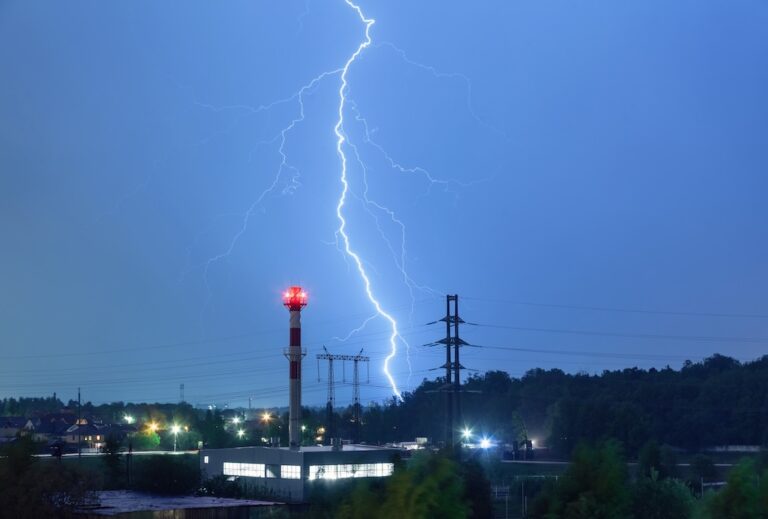
Lightning is a natural phenomenon that poses serious risks to buildings, electrical systems, and human safety. A single lightning strike...
Devamını Oku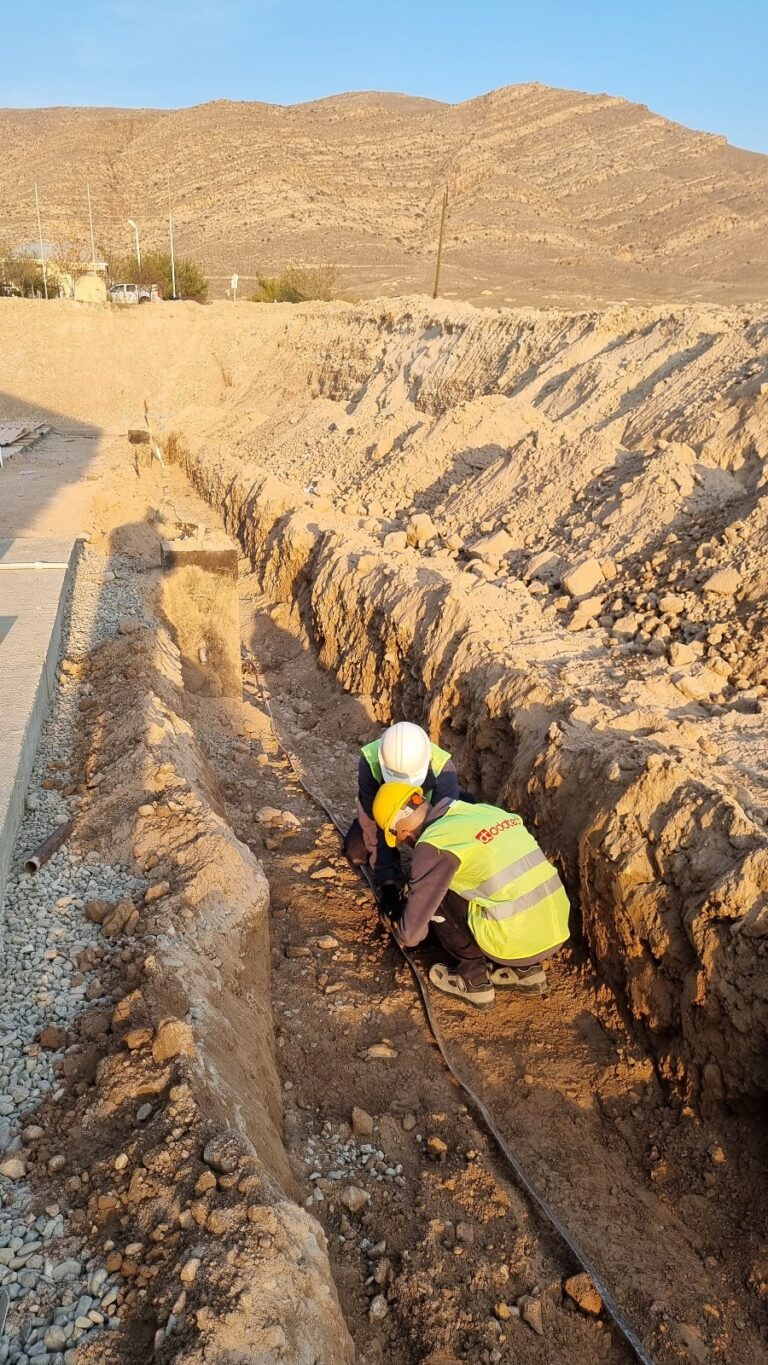
Grounding, also referred to as earthing, is a crucial safety measure in electrical systems that protects both people and equipment...
Devamını Oku
Energy infrastructure and industrial facilities consist of complex systems that must be monitored and managed continuously. Power grids, manufacturing plants,...
Devamını Oku