



What is Energy Efficiency? Adatech Energy Efficiency Solutions
In today’s world, energy efficiency has become one of the most crucial elements for a sustainable future. The rapid depletion...
Devamını Oku
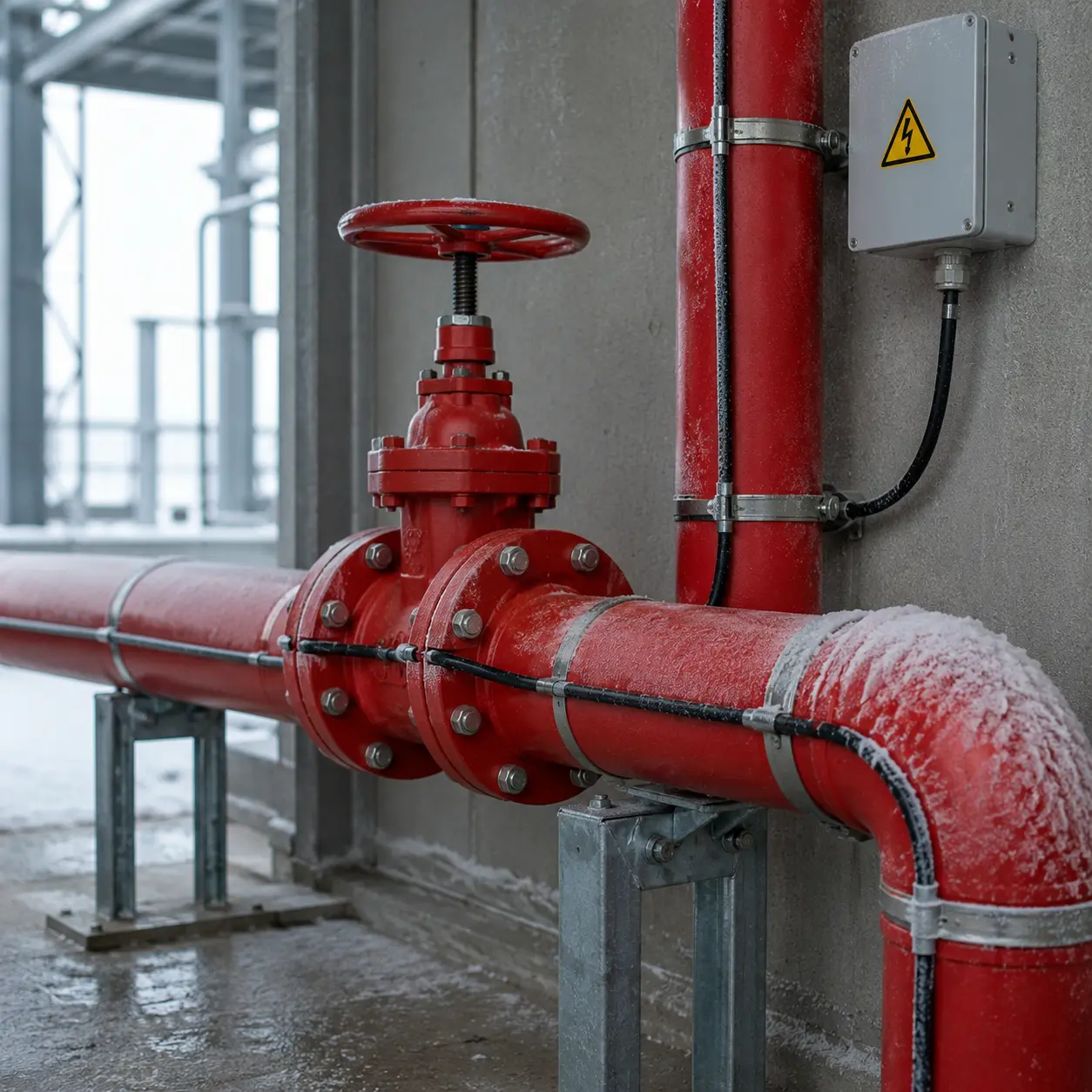
Fire protection lines are among the most critical safety infrastructures in any facility, designed to respond instantly in emergency situations. These systems must remain fully operational at all times, regardless of environmental conditions. However, in cold climates or exposed installations, freezing poses a serious threat to system reliability. When water inside fire lines freezes, it can block flow, damage piping, and render the entire system ineffective at the exact moment it is needed most.
This is where heat tracing technology becomes essential. By maintaining pipe temperatures above freezing, heat tracing systems ensure that water remains in a ready-to-flow state. This proactive approach eliminates delays in emergency response and supports uninterrupted system performance. As of 2026, with increasing emphasis on infrastructure resilience and stricter safety audits, freeze protection is no longer optional—it is a fundamental requirement in fire safety engineering.
Rather than being a simple add-on, heat tracing represents a comprehensive engineering solution that integrates temperature control, monitoring, and energy efficiency. Facilities that prioritize system continuity understand that freeze protection directly impacts risk mitigation strategies. For a detailed technical overview, you can explore and learn how these systems function in industrial applications.
Companies like Adatech approach these solutions with a holistic engineering mindset, combining innovation, quality, and compliance with international standards. This ensures that fire protection systems are not only protected against freezing but also optimized for long-term reliability and performance.
Freeze protection in fire lines is not just about preventing ice formation; it is about guaranteeing that life-saving systems operate without failure. This makes heat tracing a critical component of modern fire protection strategies.
The risk of freezing in fire protection lines is not merely a seasonal inconvenience; it is a critical safety concern that directly affects the operational readiness of emergency systems. Fire lines are designed to deliver immediate response in high-risk situations, and any obstruction—such as ice formation—can delay or completely prevent water flow. This delay can escalate fire incidents, increasing both material damage and potential threats to human life. Therefore, ensuring that these systems remain functional under all environmental conditions is a fundamental requirement in modern engineering practices.
In 2026, with stricter compliance standards and audit-driven safety frameworks, infrastructure resilience has become a top priority. Fire protection systems are now evaluated not only on their design but also on their ability to perform under adverse conditions. Heat tracing systems play a vital role in mitigating freezing risks by maintaining consistent temperatures along the pipeline. Without such solutions, even well-designed systems can fail when exposed to prolonged low temperatures. This makes freeze protection a core element of fire safety strategies rather than a secondary consideration.
Emergency systems, especially fire protection lines, must operate without interruption at the exact moment they are needed. Any failure in these systems can have immediate and severe consequences. Freezing disrupts this continuity by preventing water from reaching critical points, effectively disabling the system. This makes continuity not just a performance metric, but a life-saving necessity.
To ensure uninterrupted functionality, systems must be designed with preventive measures against environmental risks. Freeze protection solutions like heat tracing guarantee that water remains in a ready state, eliminating delays and ensuring that emergency response mechanisms function as intended under all conditions.
Fire lines installed in outdoor environments are particularly vulnerable to freezing due to direct exposure to low temperatures, wind, and humidity. These factors accelerate heat loss from pipes, increasing the likelihood of ice formation. Even short periods of extreme cold can lead to partial or complete blockage within the system.
Additionally, temperature fluctuations can cause repeated freezing and thawing cycles, which may damage pipes, joints, and valves over time. This not only affects system reliability but also increases maintenance costs. Therefore, understanding and mitigating the impact of environmental conditions is essential for maintaining the integrity and readiness of fire protection systems.
Heat tracing systems provide a proactive and controlled method of freeze protection by maintaining the temperature of fire protection lines above critical freezing levels. Instead of reacting to freezing after it occurs, these systems continuously regulate pipe temperature, ensuring that water remains in a liquid state and ready for immediate use. This approach is particularly important in fire lines, where even a short delay in water delivery can significantly impact emergency response effectiveness.
At its core, heat tracing involves installing specialized heating cables along the length of the pipe. These cables compensate for heat loss caused by ambient conditions, creating a stable thermal environment regardless of external temperatures. In modern applications, especially as of 2026, these systems are often integrated with smart controls and monitoring solutions, allowing precise temperature management and energy optimization. Heat tracing not only prevents freezing but also enhances the overall reliability and lifespan of fire protection infrastructure, making it a critical component in safety-focused engineering designs.
One of the primary functions of heat tracing in fire lines is to ensure that water remains continuously available for immediate use. When water freezes inside pipes, it expands and creates blockages that can completely stop flow. In emergency situations, this can result in catastrophic delays in fire suppression efforts. Heat tracing eliminates this risk by maintaining a consistent pipe temperature that prevents ice formation.
By keeping the system in a constant state of readiness, facilities can rely on their fire protection infrastructure without hesitation. This is especially important in large-scale industrial environments where response time directly affects the scale of potential damage. Continuous water flow is not just a functional requirement—it is a critical safety assurance.
Not all sections of a fire line are equally vulnerable to freezing. Certain areas, such as joints, valves, and exposed segments, tend to lose heat more rapidly and are therefore at higher risk. Heat tracing systems are designed with this in mind, applying targeted temperature control where it is needed most.
This localized protection strategy ensures that critical points are maintained at optimal temperatures without unnecessary energy consumption across the entire system. Advanced control units can monitor temperature variations and adjust output accordingly, creating a balanced and efficient protection mechanism. As a result, fire lines remain fully operational even under extreme environmental conditions.
The risk of freezing in fire protection lines is not uniformly distributed across the system; instead, it is concentrated in specific sections where environmental exposure, flow conditions, and structural characteristics create higher vulnerability. Identifying these high-risk areas is essential for designing an effective freeze protection strategy. Without this targeted approach, even well-designed systems can fail at their weakest points.
From a safety and continuity perspective, understanding “where” freeze protection is most needed is just as important as understanding “why” it is necessary. In 2026, audit-driven safety practices emphasize detailed risk mapping of infrastructure systems. This includes analyzing pipe routing, exposure levels, and flow behavior. Heat tracing systems are most effective when applied strategically to these high-risk zones, ensuring that critical sections remain protected under all operating conditions.
Outdoor fire lines and exposed piping systems are among the most vulnerable sections when it comes to freezing. These pipes are directly subjected to ambient weather conditions such as low temperatures, wind chill, and moisture, all of which accelerate heat loss. In cold climates, even short-term exposure to sub-zero temperatures can cause water inside these pipes to freeze rapidly.
Additionally, long stretches of outdoor piping increase the overall risk because a single frozen section can disrupt the functionality of the entire system. This makes it essential to apply continuous and reliable freeze protection solutions in these areas to maintain system integrity and readiness.
Valves, flanges, and connection points are particularly susceptible to freezing due to their structural characteristics. These components often have more surface area and complex geometries, which lead to faster heat dissipation compared to straight pipe sections. As a result, they tend to reach freezing temperatures more quickly.
Low-flow or stagnant areas further increase this risk. When water movement is minimal, there is less thermal energy to resist freezing, making these points the first to be affected. Protecting these sections is critical, as freezing typically begins here and can spread throughout the system if not properly managed.
Tank outlets represent one of the most critical points in a fire protection system. These sections serve as the primary source of water distribution, and any freezing at this stage can prevent water from entering the entire network. Due to temperature differentials and exposure conditions, tank outlets are highly prone to freezing.
Sensitive line sections, including areas with complex routing or essential operational roles, also require special attention. Even minor freezing in these zones can compromise the performance of the entire system. Therefore, implementing focused protection strategies in these areas is vital to ensuring uninterrupted fire protection capabilities.
Selecting the right freeze protection solution for fire protection systems is a critical engineering decision that directly impacts safety, compliance, and operational continuity. These systems are not ordinary pipelines; they are life-safety infrastructures that must perform flawlessly under emergency conditions. Therefore, the selection process must go beyond basic product comparison and focus on system-wide performance, environmental conditions, and long-term reliability.
In 2026, with increasing regulatory inspections and a stronger emphasis on infrastructure resilience, fire protection systems are expected to meet higher standards of reliability and traceability. This means that solutions must not only prevent freezing but also ensure continuous monitoring, energy efficiency, and compliance with international safety standards. Heat tracing systems stand out in this context as they offer integrated solutions that combine heating, control, and monitoring. However, their effectiveness depends heavily on correct design, component selection, and installation quality.
Choosing the correct heating cable type is one of the most important aspects of a heat tracing system. Different cable technologies—such as self-regulating, constant wattage, or mineral-insulated cables—serve different purposes depending on the application requirements. Selecting the wrong type can lead to insufficient heating or unnecessary energy consumption, both of which compromise system performance.
Equally important is the control configuration. Advanced control systems, including thermostats, sensors, and automated monitoring units, ensure that the system maintains optimal temperature levels at all times. These controls allow precise adjustments based on environmental conditions, improving both efficiency and reliability.
Insulation plays a vital role in the effectiveness of any heat tracing system. Without proper insulation, heat loss increases significantly, reducing system efficiency and potentially leading to freezing despite the presence of heating cables. High-quality insulation ensures that the generated heat is retained within the system, minimizing energy consumption while maximizing protection.
Accurate power calculations are also essential. Factors such as pipe diameter, ambient temperature, wind exposure, and required maintenance temperature must all be considered when determining the appropriate heat output. Proper calculation ensures that the system delivers consistent performance under all conditions, supporting uninterrupted operation.
Compliance with safety standards is non-negotiable in fire protection systems. All components used in the solution must meet recognized international certifications and be suitable for the specific application environment. Failure to comply with these standards can lead to system failures, legal issues, and failed inspections.
Installation discipline is equally critical. Even the most advanced system can fail if it is not installed correctly. Proper cable placement, secure connections, and adherence to engineering specifications are essential for long-term reliability. Regular maintenance and inspections further ensure that the system continues to perform as expected throughout its lifecycle.
The importance of selecting the right freeze protection solution for fire lines cannot be overstated, as it directly determines whether a fire protection system will function effectively in real emergency conditions. Fire lines are designed with one primary purpose: to deliver immediate and reliable response during a fire event. If freezing compromises this capability, the consequences can escalate rapidly, leading to increased damage, operational downtime, and serious safety risks. This makes freeze protection not just a technical requirement, but a core element of risk management and life safety strategy.
In modern engineering practices—especially in 2026, where audit-based safety frameworks and infrastructure resilience are prioritized—systems are expected to perform under all environmental conditions without failure. A properly designed heat tracing systems solution ensures that fire lines remain operational regardless of temperature fluctuations. This level of reliability supports compliance with international standards and strengthens the overall safety profile of a facility. Without an effective freeze protection strategy, even the most advanced fire protection systems can become vulnerable at critical moments.
Beyond immediate safety concerns, the right solution also contributes to long-term operational efficiency. Preventing freezing eliminates the risk of pipe damage, leaks, and costly repairs caused by ice expansion. It also reduces maintenance frequency and ensures that systems remain in optimal working condition over time. This proactive approach aligns with sustainable engineering practices by minimizing energy waste and extending equipment lifespan.
From a strategic perspective, investing in the correct freeze protection solution demonstrates a commitment to safety, reliability, and regulatory compliance. Companies that adopt a holistic approach—considering design, installation, monitoring, and maintenance as a unified system—are better equipped to handle both routine operations and unexpected emergencies. In this context, heat tracing is not just a protective measure, but a critical safeguard that ensures fire protection systems deliver their intended performance when it matters most.
In today’s world, energy efficiency has become one of the most crucial elements for a sustainable future. The rapid depletion...
Devamını Oku
In today’s fast-evolving technological world, businesses and industries are undergoing a fundamental shift in how they operate, communicate, and grow....
Devamını Oku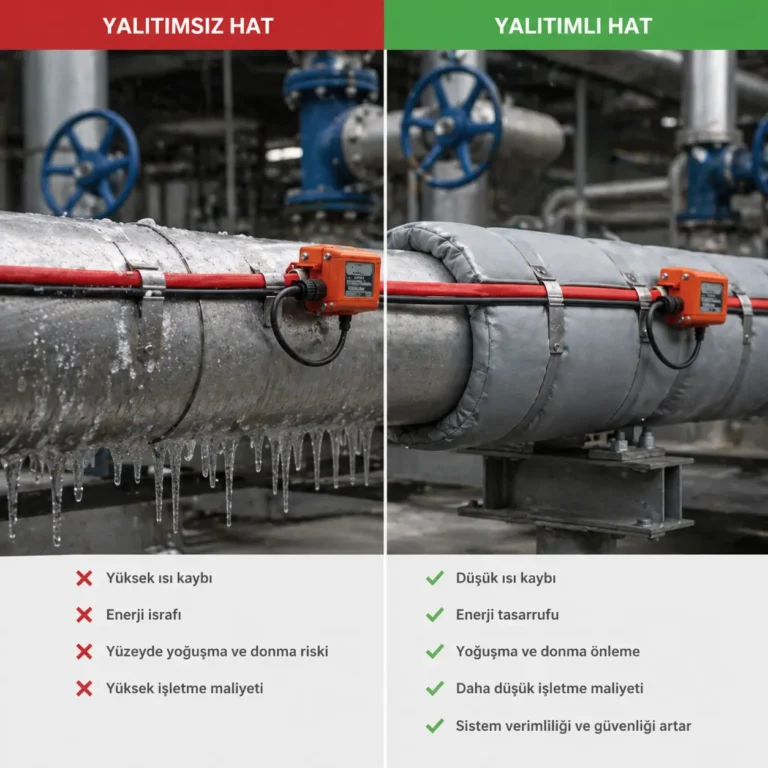
In industrial environments where temperature control is essential, heat tracing systems play a crucial role in maintaining process stability and...
Devamını Oku