



What is Sustainable Energy and What are Clean Energy Sources?
Sustainable energy and renewable energy are two crucial concepts that allow us to meet our energy needs in an environmentally...
Devamını Oku
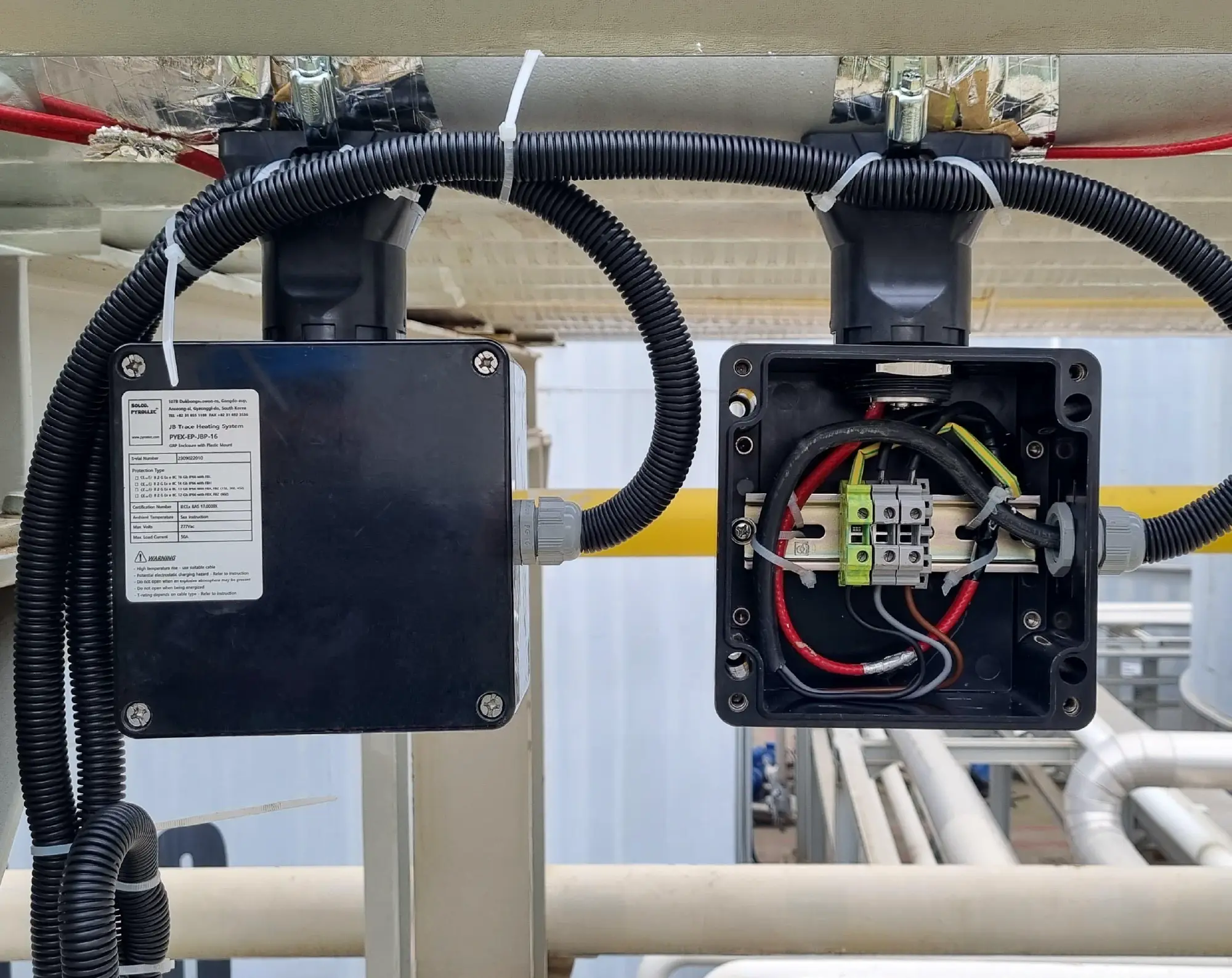
Heat tracing systems play a critical role in maintaining process temperatures in pipelines, tanks, and industrial equipment. These systems are widely used across industries such as oil & gas, chemical processing, food production, and energy, where temperature stability directly impacts operational efficiency and safety. However, ensuring consistent performance is not only about proper installation; it also depends heavily on structured maintenance and periodic inspection practices.
A well-defined maintenance strategy helps prevent unexpected failures, reduces energy losses, and extends the lifespan of system components. As of 2026, predictive maintenance approaches supported by data monitoring and smart sensors have become increasingly important in heat tracing applications. These technologies allow operators to detect anomalies early and take action before failures occur.
To better understand system fundamentals, you can review What is heat tracing? and explore heat tracing systems in more detail to support maintenance planning and implementation strategies.
Maintenance and inspection should not be treated as reactive processes. Instead, they must be planned, documented, and executed regularly. This ensures that all components—from heating cables to control panels—operate within designed parameters. Even minor deviations, if left unchecked, can lead to significant operational risks.
In industrial environments, maintenance responsibilities are often shared between technical teams and facility managers. Therefore, a structured guide that clearly defines what should be inspected, how often, and why it matters is essential. This not only improves coordination but also ensures compliance with safety standards and operational goals.
This guide follows a procedural approach, focusing on actionable steps and inspection priorities rather than general descriptions. It aims to support both on-site technicians and decision-makers responsible for maintenance planning.
By implementing a consistent inspection routine, facilities can improve system reliability, enhance energy efficiency, and maintain high safety standards. Ultimately, maintenance becomes a strategic investment rather than an operational burden.
Maintenance of heat tracing systems should never be overlooked because these systems are directly tied to process continuity, safety, and energy efficiency. Even though heat tracing installations are designed for durability, they operate under harsh environmental and operational conditions, which can gradually degrade performance. Without regular maintenance, small issues such as insulation wear, cable degradation, or sensor inaccuracies can escalate into major failures.
Neglecting maintenance often results in increased operational costs due to higher energy consumption and unexpected downtime. In 2026, with the rise of predictive maintenance technologies, it has become even more critical to support these systems with consistent inspection routines. Data-driven monitoring can only be effective if supported by periodic physical checks and testing. Therefore, maintenance is not just a technical necessity but a strategic approach to ensuring long-term system reliability and operational stability.
Performance loss in heat tracing systems typically occurs gradually rather than suddenly, making it difficult to detect without systematic inspections. Changes in cable resistance, uneven heat distribution, and insulation degradation are early indicators that the system is not operating at optimal efficiency. If these signs are not identified early, they can lead to significant energy losses and reduced heating performance.
Routine inspections and data monitoring allow maintenance teams to identify these deviations before they become critical. By comparing historical data with current measurements, even minor inefficiencies can be detected and corrected. This proactive approach ensures that the system continues to operate within its designed parameters while minimizing unnecessary energy consumption.
Unplanned downtime is one of the most costly consequences of neglected maintenance in industrial facilities. A failure in a heat tracing system can disrupt entire processes, especially in temperature-sensitive operations. This not only affects production output but can also compromise product quality and safety.
Regular maintenance and inspection routines significantly reduce the risk of such failures. Critical components such as power connections, control panels, and heating cables should be checked periodically to ensure proper functionality. By identifying weak points in advance, maintenance teams can take corrective actions before failures occur. This approach supports uninterrupted operations and helps facilities maintain consistent productivity levels.
Periodic inspections in heat tracing systems must follow a structured and comprehensive checklist rather than a simple visual review. Each component of the system—from heating cables to control units—should be evaluated both physically and electrically. The goal is not only to identify existing issues but also to detect early signs of potential failures. A well-executed inspection process ensures that the system continues to operate safely, efficiently, and within its designed performance limits.
The frequency of inspections should be determined based on operating conditions, environmental exposure, and system criticality. In most industrial applications, a full inspection is recommended at least once a year, while critical systems may require quarterly checks. In line with 2026 maintenance strategies, integrating inspection routines with digital monitoring systems allows maintenance teams to prioritize high-risk areas and optimize inspection intervals. This approach improves reliability while reducing unnecessary maintenance workload.
Heating cables are the backbone of any heat tracing system, making their condition a top priority during inspections. Maintenance teams should carefully examine cables along their entire routing for signs of physical damage, deformation, or overheating. Particular attention should be given to joints and splice points, as these are common areas where faults develop due to improper installation or environmental stress.
Termination points must also be inspected to ensure they are properly sealed and protected against moisture ingress. Loose connections, corrosion, or insulation damage at these نقاط can significantly impact system performance. Identifying and correcting these issues early helps maintain consistent heat output and prevents localized failures.
Control components such as thermostats, temperature sensors, and electrical panels are essential for maintaining accurate temperature regulation. During inspections, these elements should be tested to verify that they are functioning correctly and providing accurate readings. Any deviation in sensor accuracy can lead to improper heating, resulting in either energy waste or insufficient temperature control.
Electrical panels should be opened and inspected for loose connections, overheating signs, or component wear. Protective devices such as circuit breakers and relays must also be tested to ensure they respond correctly under fault conditions. Regular calibration of thermostats and sensors is critical to maintaining system precision and reliability.
Thermal insulation plays a vital role in ensuring energy efficiency in heat tracing systems. During inspections, insulation materials should be checked for damage, compression, or moisture penetration. Even minor insulation defects can lead to significant heat loss and increased energy consumption over time.
The outer sheath or cladding must also be examined for cracks, gaps, or mechanical damage. These issues can expose the system to environmental elements, accelerating degradation and increasing the risk of failure. Ensuring that insulation and outer protection layers remain intact is essential for maintaining both performance and system longevity.
Electrical tests and measurements are essential for assessing the operational integrity of heat tracing systems. These tests provide measurable data that helps maintenance teams determine whether the system is functioning within safe and efficient parameters. Rather than relying solely on visual inspections, electrical evaluations reveal hidden issues such as insulation degradation, circuit discontinuities, or abnormal power consumption.
To ensure accuracy, these tests should be conducted at regular intervals and after any maintenance intervention. In modern 2026 maintenance strategies, test results are often recorded digitally and compared over time to identify trends and predict potential failures. This data-driven approach enables both technicians and facility managers to make informed decisions, improving system reliability and reducing unexpected breakdowns.
The insulation resistance test is one of the most critical evaluations performed on heat tracing systems. It measures the resistance between the conductive elements and the ground, helping identify insulation weaknesses caused by moisture, contamination, or physical damage. A decrease in insulation resistance is often an early warning sign of potential electrical leakage or failure.
This test is typically performed using a megohmmeter (megger), and the results are compared against standard acceptable values. Consistent monitoring of insulation resistance over time allows maintenance teams to detect gradual degradation. By identifying issues early, corrective actions can be taken before safety risks or system failures occur, ensuring both operational continuity and compliance with safety standards.
Circuit continuity tests are used to confirm that the electrical path within the heating cable is complete and uninterrupted. Any break or discontinuity in the circuit can prevent proper heat generation, leading to cold spots or complete system failure. Regular continuity testing ensures that all أجزاء of the system are electrically connected and functioning as intended.
Power checks, on the other hand, evaluate whether the system is consuming and delivering the correct amount of electrical energy. Deviations from expected power values may indicate issues such as damaged cables, faulty connections, or insulation losses. By tracking power consumption trends, maintenance teams can identify inefficiencies and take corrective measures promptly.
Field inspections of heat tracing systems often reveal recurring issues that stem from environmental exposure, operational stress, and improper handling. Identifying these common findings is essential for building an effective maintenance strategy and preventing repeated failures. Rather than treating each issue as an isolated case, maintenance teams should analyze patterns and root causes to improve long-term system performance.
In practice, most field issues are not caused by a single failure but by a combination of factors such as moisture ingress, mechanical damage, and human error. With the increasing adoption of predictive maintenance in 2026, documenting and analyzing these findings has become a key part of continuous improvement. This allows both technical teams and facility managers to refine inspection routines and prioritize high-risk areas more effectively.
Moisture is one of the most common and damaging factors affecting heat tracing systems. Water ingress, whether due to damaged insulation or poor sealing, can significantly reduce insulation resistance and increase the risk of electrical leakage. Over time, this can lead to system inefficiencies or even complete failure if not addressed promptly.
Mechanical damage is another frequent issue observed in the field. External impacts, improper installation practices, or maintenance activities around the system can cause cable deformation or breakage. These physical damages often go unnoticed until they begin to affect system performance.
Corrosion, particularly in harsh industrial environments, can impact both electrical connections and protective layers. Corroded components may lead to increased resistance, overheating, or unreliable operation. Regular inspection and protective measures are essential to mitigate these risks and maintain system integrity.
Improper repairs and unauthorized interventions are among the most preventable yet common causes of system failures. In many cases, temporary fixes or non-standard components are used during urgent repairs, compromising the system’s original design and safety standards. These interventions often create hidden vulnerabilities that may not become apparent until a major failure occurs.
Incorrect cable splicing, inadequate insulation restoration, and the use of incompatible materials are typical examples of such issues. These practices can lead to uneven heating, electrical imbalances, and increased risk of short circuits.
To avoid these problems, all maintenance and repair activities should be carried out by qualified personnel following manufacturer guidelines and industry standards. Establishing clear maintenance protocols and ensuring proper documentation of all interventions helps maintain system reliability and prevents recurring issues.
A regular inspection program for heat tracing systems delivers significant operational, financial, and safety advantages for industrial facilities. Rather than reacting to failures, a structured inspection plan enables a proactive maintenance culture where risks are identified and mitigated before they impact operations. This approach ensures that heat tracing systems consistently perform at their intended capacity, supporting uninterrupted production processes.
One of the most important benefits is improved system reliability. With scheduled inspections, potential weak points such as cable degradation, insulation damage, or control system inaccuracies are detected early. As of 2026, integrating predictive maintenance tools with routine inspections allows facilities to move beyond fixed schedules and adopt condition-based maintenance strategies. This not only enhances system uptime but also optimizes maintenance resources.
Cost efficiency is another major advantage. Unplanned failures often result in high repair costs, production losses, and emergency interventions. A regular inspection program minimizes these risks by addressing issues at an early stage when they are easier and less expensive to fix. Additionally, energy efficiency is improved as systems operate within optimal parameters, avoiding unnecessary power consumption caused by hidden faults.
From a resource management perspective, planned inspections allow maintenance teams to work more efficiently. Tasks can be scheduled in alignment with production plans, reducing disruptions. Spare parts inventory can also be managed more effectively, ensuring that critical components are available when needed without excessive stockholding.
Safety is a critical factor that cannot be overlooked. Heat tracing systems involve electrical components that, if not properly maintained, can pose risks such as electrical leakage, overheating, or fire hazards. Regular inspections ensure that all safety measures are functioning correctly, protecting both personnel and equipment. This is especially important in industries with hazardous environments.
Compliance with industry standards and regulations is another key benefit. Many sectors require documented maintenance and inspection records to meet safety and operational guidelines. A structured inspection program ensures that all activities are properly recorded, making audits and inspections smoother and reducing the risk of penalties.
Data collection and analysis also become more effective with регуляр inspections. By maintaining consistent records of test results and observations, facilities can identify long-term trends and continuously improve their maintenance strategies. This data-driven approach aligns with modern digital transformation goals and supports better decision-making at both operational and managerial levels.
Ultimately, a regular inspection program transforms maintenance from a reactive necessity into a strategic advantage. It enhances reliability, reduces costs, improves safety, and supports sustainable operations, ensuring that heat tracing systems deliver maximum value throughout their lifecycle.
Sustainable energy and renewable energy are two crucial concepts that allow us to meet our energy needs in an environmentally...
Devamını Oku
Heat tracing is a heating method used in industrial and commercial areas to prevent pipes, tanks, and other surfaces from...
Devamını Oku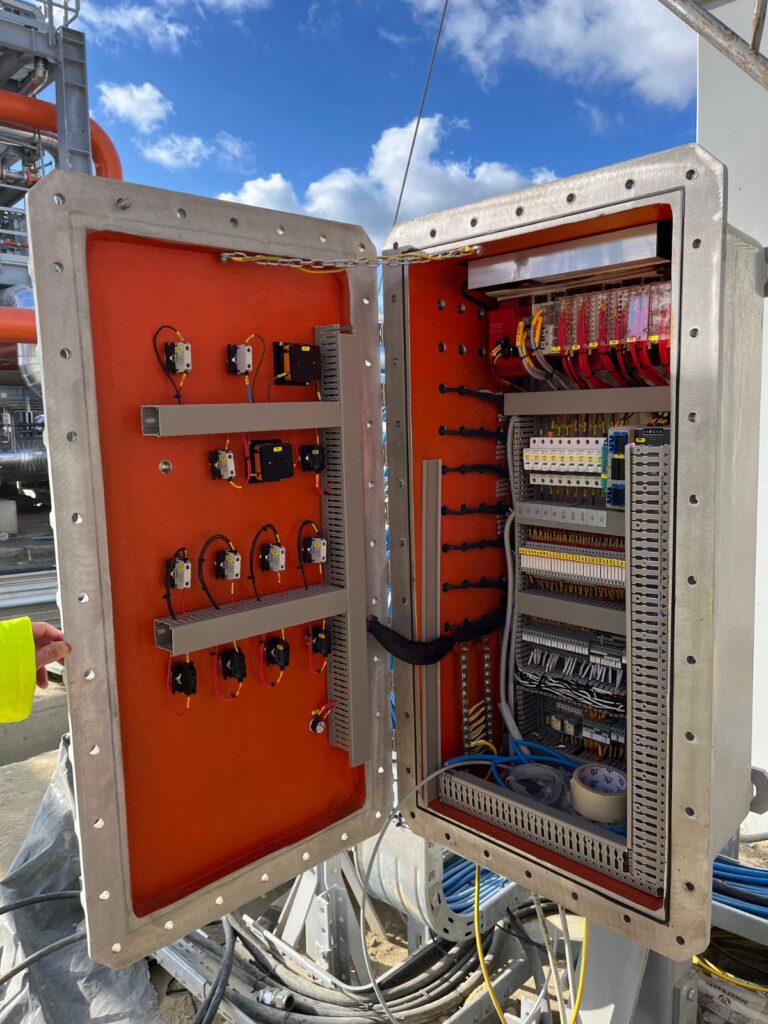
Low voltage systems play a vital role in everyday electrical infrastructure, powering everything from residential lighting to complex industrial control...
Devamını Oku