



What is CCTV? What Does a CCTV System Do?
CCTV, or Closed-Circuit Television, is a technology widely used for security and surveillance purposes. It operates through a closed network...
Devamını Oku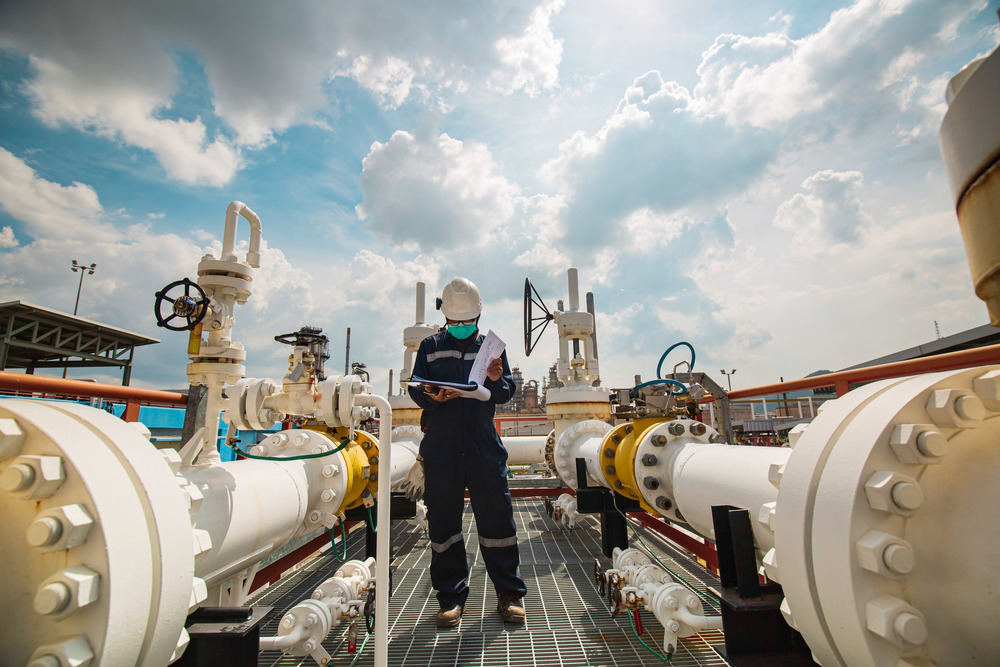
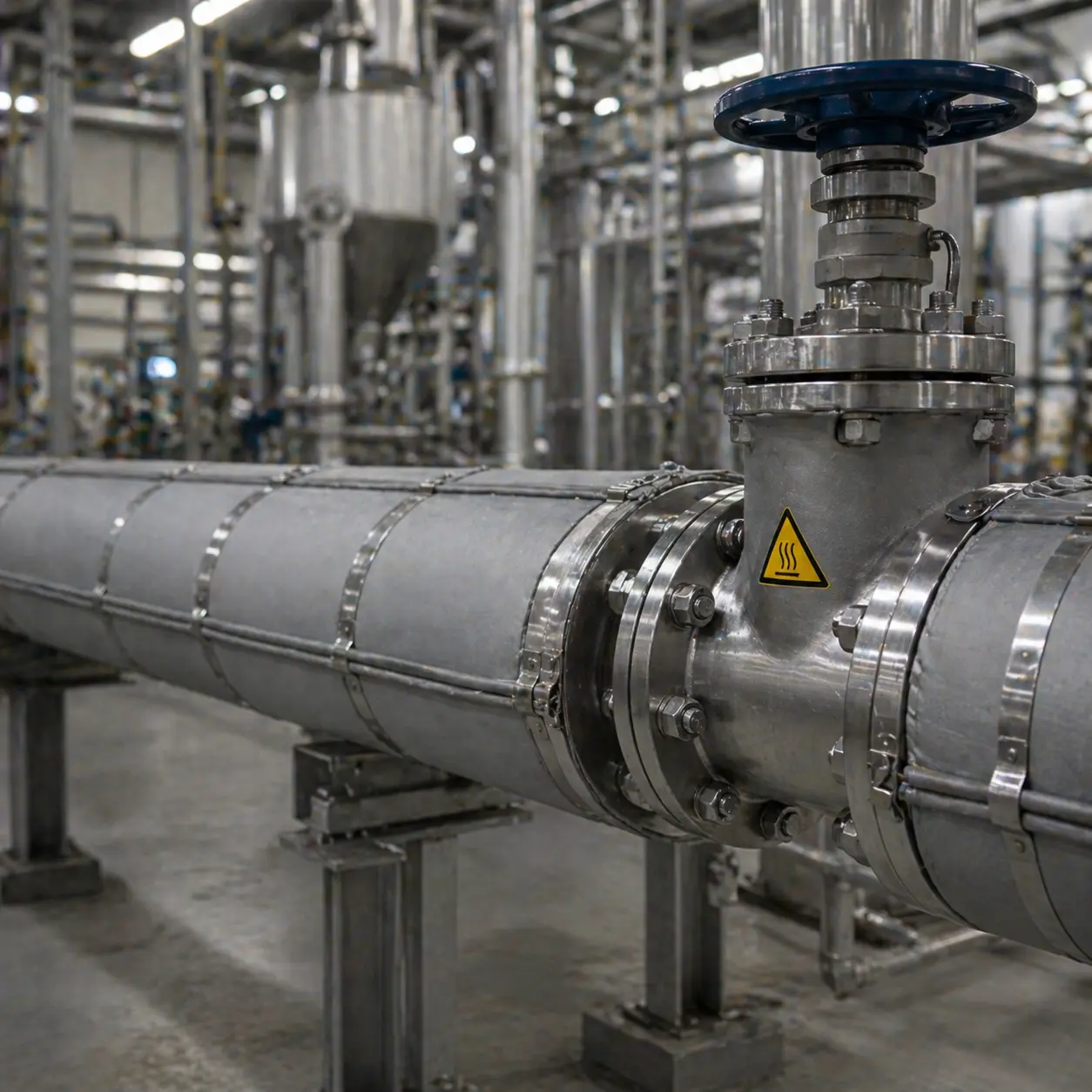
Heat tracing systems are critical for maintaining process temperatures, preventing freezing, and ensuring operational continuity in industrial environments. However, even the most well-designed heat tracing systems can fail to deliver expected performance if installation errors occur in the field. In practice, many issues arise not from design flaws but from improper application, lack of standardization, or overlooked quality control steps during installation.
As of 2026, stricter quality assurance protocols and increased focus on operational safety have made installation accuracy more important than ever. Small mistakes in cable routing, connections, or sensor placement can lead to major inefficiencies, increased energy consumption, and even safety hazards. These issues not only affect technical performance but also create significant risks for project managers responsible for overseeing installation quality and compliance.
One of the most overlooked aspects is a lack of full understanding of what is heat tracing?, which often leads to incorrect application practices. A solid grasp of system fundamentals is essential to avoid costly mistakes. Additionally, aligning field applications with standardized procedures and internal guidelines—such as those implemented in modern heat tracing systems—plays a key role in ensuring long-term reliability.
In this guide, we will focus specifically on the most common installation mistakes observed in the field, along with their direct consequences. The goal is to provide both technical teams and project managers with actionable insights to improve installation quality, reduce risks, and ensure system longevity.
Installation mistakes in heat tracing systems rarely remain isolated issues; instead, they tend to escalate into larger operational and financial problems over time. Even minor deviations from installation standards can significantly impact system efficiency, reliability, and safety. In many industrial projects, these mistakes are not immediately visible during commissioning, which makes them even more dangerous. By the time issues become noticeable, they often require costly corrective actions, including system shutdowns and reinstallation.
In 2026, with the increasing emphasis on installation standardization and digital quality control processes, these errors are less tolerable than ever before. Project managers and quality inspectors are expected to ensure that every installation step complies with predefined procedures. Failure to do so not only affects system performance but also exposes operations to compliance risks and safety hazards. Therefore, understanding why these mistakes lead to major problems is essential for both field teams and decision-makers.
One of the most immediate consequences of installation errors is a significant drop in system performance. Improper cable placement, poor thermal contact, or incorrect routing can prevent efficient heat transfer. As a result, the system must consume more energy to maintain the desired temperature, leading to increased operational costs. Over time, this inefficiency becomes a major burden, especially in large-scale industrial facilities.
Additionally, uneven heat distribution caused by installation mistakes creates hot and cold spots along pipelines. This inconsistency can disrupt process stability and reduce overall system effectiveness. In temperature-sensitive operations, even small deviations can have serious consequences. Therefore, ensuring precise installation is critical to maintaining both energy efficiency and operational consistency.
Installation mistakes also introduce serious risks related to system failure and safety. Incorrect electrical connections, inadequate grounding, or improper securing of cables can lead to short circuits, overheating, or even fire hazards. These risks not only endanger personnel but can also result in complete operational shutdowns, causing significant financial losses.
From a maintenance perspective, poorly installed systems are more difficult to inspect and repair. Misplaced components, lack of labeling, or inaccessible connection points can delay troubleshooting and extend downtime. This increases maintenance costs and reduces system reliability. In contrast, properly installed systems are easier to manage, safer to operate, and more cost-effective over their lifecycle.
Cable routing is one of the most critical aspects of heat tracing installation, directly influencing system performance and efficiency. In field applications, routing mistakes are among the most frequent issues encountered, often due to rushed installations or lack of adherence to project drawings. Incorrect routing not only reduces heat transfer efficiency but also creates long-term operational risks. Even when high-quality materials are used, poor routing can negate the benefits of the entire system.
In 2026, with increased emphasis on installation standardization and inspection protocols, cable routing must strictly follow engineering designs and manufacturer guidelines. Project managers are now more involved in verifying routing accuracy, as even small deviations can lead to major inefficiencies. Proper documentation and on-site validation are essential to ensure that the routing aligns with both thermal requirements and safety standards. Without this level of control, systems are more likely to suffer from uneven heating and premature failure.
One of the most common mistakes is deviating from the planned cable routing path. Heat tracing layouts are carefully designed to ensure uniform heat distribution, especially around critical components such as valves, flanges, and bends. When installers ignore these layouts or make adjustments on-site without proper evaluation, certain areas may receive insufficient heating. This can lead to freezing risks or process instability in temperature-sensitive systems.
Incorrect routing can also result in unnecessary cable lengths or insufficient coverage. Both scenarios negatively impact system efficiency and increase energy consumption. Over time, these inefficiencies translate into higher operational costs and reduced system reliability. Therefore, strict adherence to routing plans is essential to maintain consistent performance.
Another frequent issue in cable routing is excessive bending, crossing cables over each other, or using improper securing methods. Heat tracing cables are designed with specific bending radius limits, and exceeding these limits can damage the internal structure of the cable. Although such damage may not be immediately visible, it often leads to failures during operation.
Cable crossing and poor securing practices also disrupt uniform heat distribution. Overlapping cables can cause localized overheating, while loosely secured cables may shift over time, reducing contact with the pipe surface. These conditions not only decrease system efficiency but also increase the risk of cable failure. Using proper fastening materials and following installation guidelines are essential steps to prevent these issues.
Connection and termination points are among the most sensitive areas in any heat tracing installation, and errors at these points can compromise the entire system. These locations are responsible for ensuring proper electrical continuity, insulation, and protection against environmental factors. However, in many field applications, mistakes occur due to improper handling, lack of attention to detail, or failure to follow manufacturer guidelines. Such errors often remain hidden until the system is energized, at which point they can lead to immediate failures or long-term reliability issues.
As of 2026, stricter inspection standards and documentation requirements have made it essential for both installation teams and project managers to closely monitor connection quality. Every joint, splice, and termination must be executed precisely and verified through testing procedures. Failure to do so can result in costly rework, operational downtime, and safety hazards. These issues are particularly critical in large-scale industrial systems where even a single faulty connection can affect extensive sections of the installation.
One of the most common mistakes is improper cable preparation before making connections. Incorrect stripping of insulation, damaged conductors, or loose terminations can create resistance points, leading to overheating and potential failure. Over time, these weak points may cause intermittent faults that are difficult to diagnose. Additionally, failing to use proper termination kits or assembling them incorrectly reduces the system’s resistance to moisture and contaminants, increasing the likelihood of corrosion and electrical faults.
Another critical issue is inadequate sealing and protection of connection points. In industrial environments, exposure to moisture, chemicals, and temperature fluctuations can quickly degrade poorly protected terminations. Without proper sealing, water ingress can lead to short circuits or insulation breakdown. This not only affects system performance but also introduces serious safety risks, including electrical hazards and fire potential.
Grounding and electrical protection are also frequently overlooked or incorrectly implemented. Improper grounding increases the risk of leakage currents and reduces system safety. In the event of a fault, lack of proper protection can result in equipment damage or pose a threat to personnel. Ensuring that all connections comply with electrical safety standards is essential for both operational reliability and workplace safety.
To prevent these issues, connection and termination processes must follow a structured and standardized approach. Each connection should be inspected visually and tested electrically before proceeding to the next stage. Proper labeling, documentation, and use of certified components are also key factors in maintaining system integrity. By prioritizing precision and quality at these critical points, both installation teams and project managers can significantly reduce the risk of failure and ensure long-term system performance.
Before insulation and protective coating are applied, heat tracing systems must undergo a series of critical inspections and tests. However, in many field applications, this stage is rushed or partially skipped, leading to hidden issues being sealed within the system. Once insulation is applied, identifying and correcting these problems becomes significantly more difficult and costly. This makes pre-insulation checks one of the most crucial quality control steps in the entire installation process.
With the 2026 focus on quality assurance and installation standardization, skipping these checks is no longer acceptable. Project managers and inspection teams are expected to verify that all electrical, mechanical, and visual inspections are completed before the system is enclosed. Proper documentation and test records are now essential components of compliance. Failing to perform these checks not only increases operational risks but also compromises long-term system reliability and safety.
One of the most critical mistakes is covering the system with insulation without performing essential electrical and functional tests. Insulation resistance tests, continuity checks, and power verification must be completed before closing the system. Skipping these steps means that any existing faults remain undetected, only to surface later during operation when access is limited and repairs are more complex.
When systems are sealed without testing, even minor installation errors can escalate into major operational failures. Troubleshooting such issues often requires removing insulation, leading to additional labor costs and extended downtime. This not only disrupts operations but also increases overall project expenses. Therefore, comprehensive testing before insulation is a non-negotiable step in ensuring system integrity.
Another common oversight is failing to identify mechanical damage to cables before insulation is applied. During installation, cables may be subjected to impacts, abrasion, or excessive tension. While some damage may be visible, other issues—such as internal conductor stress—can go unnoticed without proper inspection. If these damaged sections are not addressed, they can become failure points once the system is operational.
Overlooked cable damage is particularly risky in harsh industrial environments where moisture, chemicals, or temperature fluctuations accelerate deterioration. A small defect can quickly evolve into a major fault, leading to system shutdowns or safety hazards. Conducting thorough visual inspections and, when necessary, additional diagnostic tests ensures that all potential issues are resolved before insulation permanently conceals the system components.
Thermostats and sensors are the control backbone of heat tracing systems, ensuring that temperatures are maintained within the required range. However, mistakes during their installation are among the most critical issues encountered in the field. Incorrect placement, poor calibration, or improper wiring can lead to inaccurate temperature readings, causing the system to operate inefficiently or fail entirely. These errors not only affect system performance but also create risks for process stability and safety.
In 2026, with the growing integration of automation and smart monitoring systems, the accuracy of sensors and thermostats has become even more important. Project managers and quality control teams must ensure that these components are installed according to precise engineering specifications. Even a small deviation in sensor placement can result in misleading data, leading to unnecessary energy consumption or insufficient heating. Therefore, this stage of installation requires both technical precision and strict supervision.
One of the most common mistakes is placing sensors in incorrect locations. Instead of being mounted directly on the pipe surface, sensors are sometimes positioned in areas where they measure ambient temperature rather than the actual process temperature. This leads to incorrect system responses, such as overheating or failure to activate when needed. In temperature-sensitive applications, such errors can disrupt operations and compromise product quality.
Another frequent issue is improper calibration of thermostats. Incorrect setpoints or failure to calibrate devices according to system requirements can cause continuous operation or complete inactivity of the heating system. This not only increases energy consumption but also accelerates wear and tear on system components. Over time, such inefficiencies result in higher operational costs and reduced equipment lifespan.
Wiring errors and lack of proper shielding are also significant concerns. Sensor cables exposed to electromagnetic interference or installed without proper protection can transmit inaccurate signals. This results in unstable system behavior and unreliable temperature control. Additionally, inadequate securing or insulation of sensors can expose them to environmental factors, further affecting measurement accuracy.
To avoid these issues, sensors must be installed in direct contact with the pipe, properly secured, and insulated from external influences. Thermostats should be accurately calibrated, and all connections must be tested before system commissioning. Verification processes, including functional testing and data validation, should be standard practice. By ensuring correct installation of control components, both technical teams and project managers can significantly improve system reliability and efficiency.
Proper installation is the single most decisive factor in determining the lifespan of a heat tracing system. Even when high-quality materials and advanced technologies are used, poor installation practices can drastically shorten system life. Correctly installed systems operate under optimal conditions, minimizing mechanical stress, electrical faults, and thermal inefficiencies. This directly translates into fewer failures, reduced maintenance needs, and long-term operational stability across industrial applications.
In 2026, the industry’s focus on sustainability, operational safety, and lifecycle cost optimization has made proper installation more valuable than ever. Standardized installation procedures, detailed documentation, and strict quality control processes are now essential requirements rather than optional practices. Project managers play a crucial role in ensuring that every stage of installation meets these standards, as even small oversights can lead to long-term performance degradation.
One of the key benefits of proper installation is consistent and efficient heat distribution. When cables are routed correctly, connections are secure, and sensors are accurately placed, the system operates as intended without unnecessary strain. This prevents overheating, reduces energy consumption, and protects system components from premature wear. As a result, the overall durability of the system is significantly enhanced.
Additionally, properly installed systems are much easier to maintain and monitor. Clear labeling, organized layouts, and accessible components allow maintenance teams to quickly identify and resolve issues. This reduces downtime and ensures that any required interventions are efficient and cost-effective. In contrast, poorly installed systems often lead to complex troubleshooting processes, increasing both time and labor costs.
Incorrect installation, on the other hand, creates a chain reaction of problems. Frequent breakdowns, inconsistent performance, and higher energy usage not only increase operational expenses but also reduce confidence in system reliability. Over time, this may require partial or complete system replacement, which could have been avoided with proper installation from the beginning.
Ultimately, proper installation is not just a technical requirement—it is a long-term investment in system performance, safety, and cost efficiency. By adhering to best practices, following engineering guidelines, and implementing rigorous quality checks, both technical teams and project managers can ensure that heat tracing systems deliver reliable performance throughout their entire lifecycle.
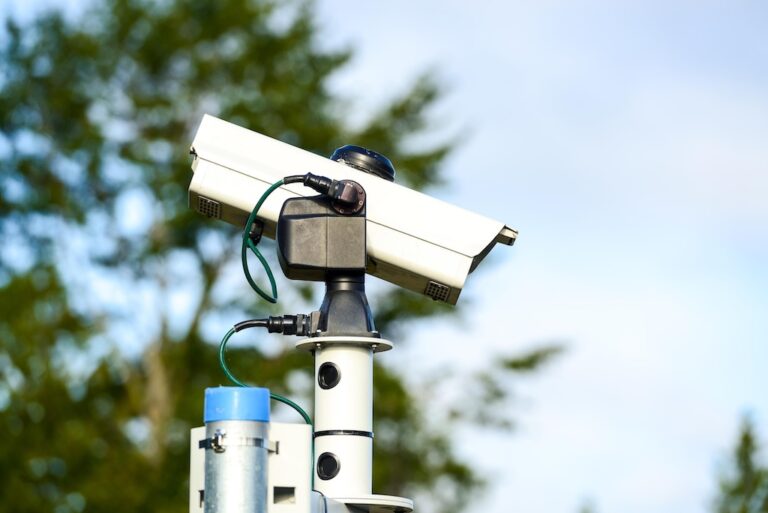
CCTV, or Closed-Circuit Television, is a technology widely used for security and surveillance purposes. It operates through a closed network...
Devamını Oku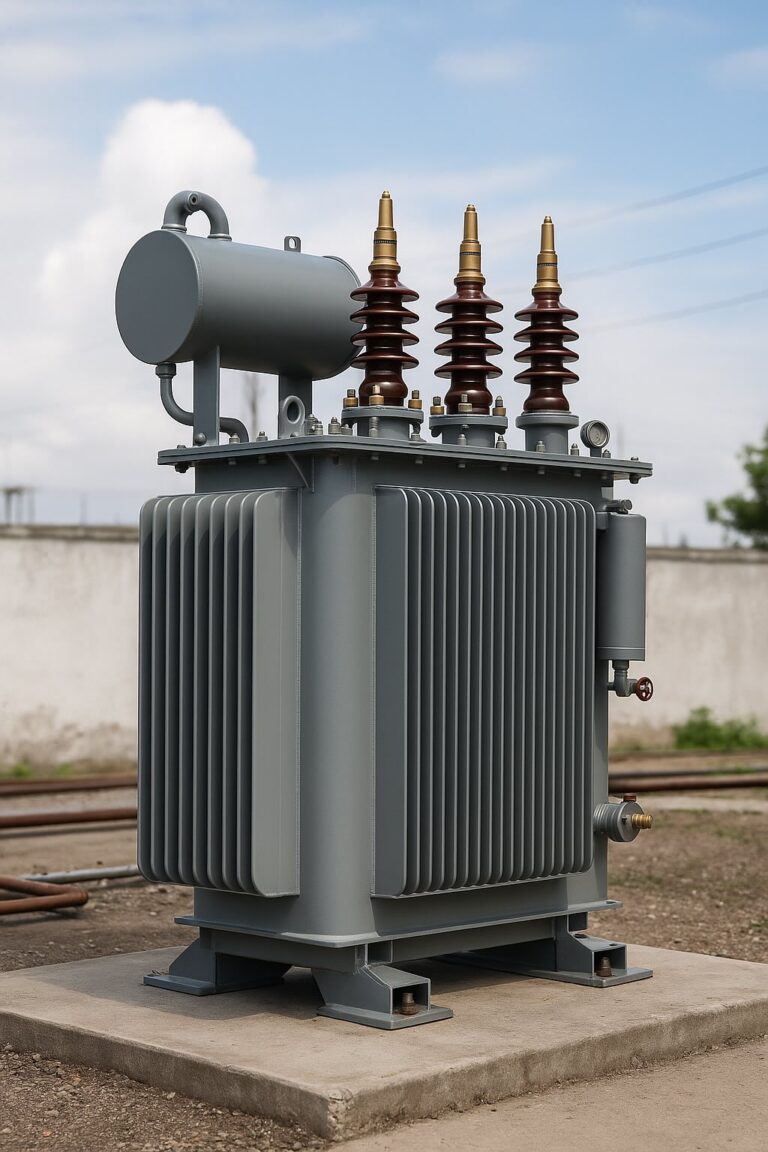
An oil-filled transformer is a type of electrical transformer that uses insulating oil as both a cooling and insulating medium....
Devamını Oku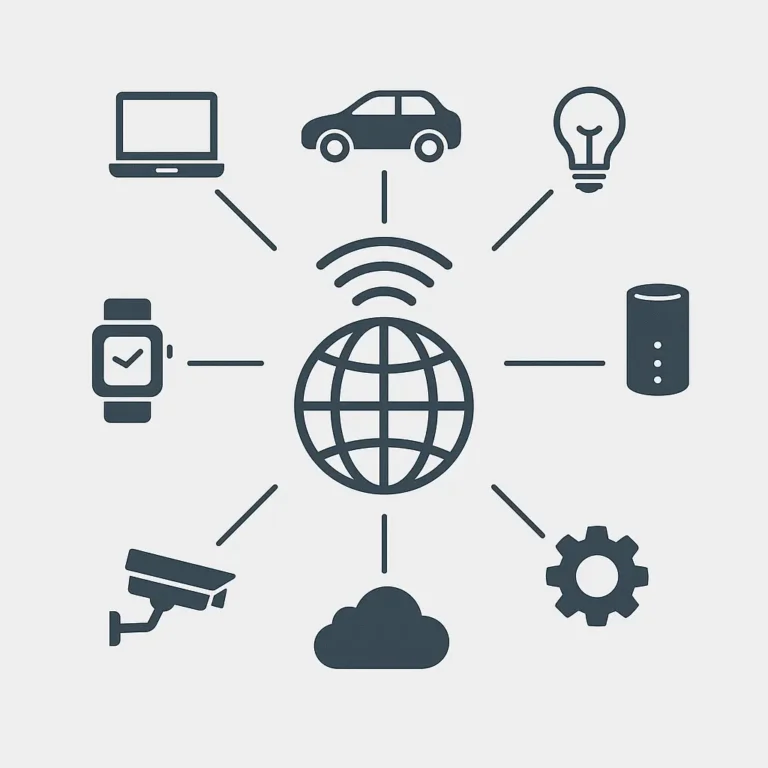
The Internet of Things (IoT) refers to a network of physical devices that are embedded with sensors, software, and connectivity...
Devamını Oku