



What is a Dry-Type Transformer? Features, Dimensions, and Application Details
A dry-type transformer is a type of electrical transformer that operates without the use of liquid insulation, making it a...
Devamını Oku
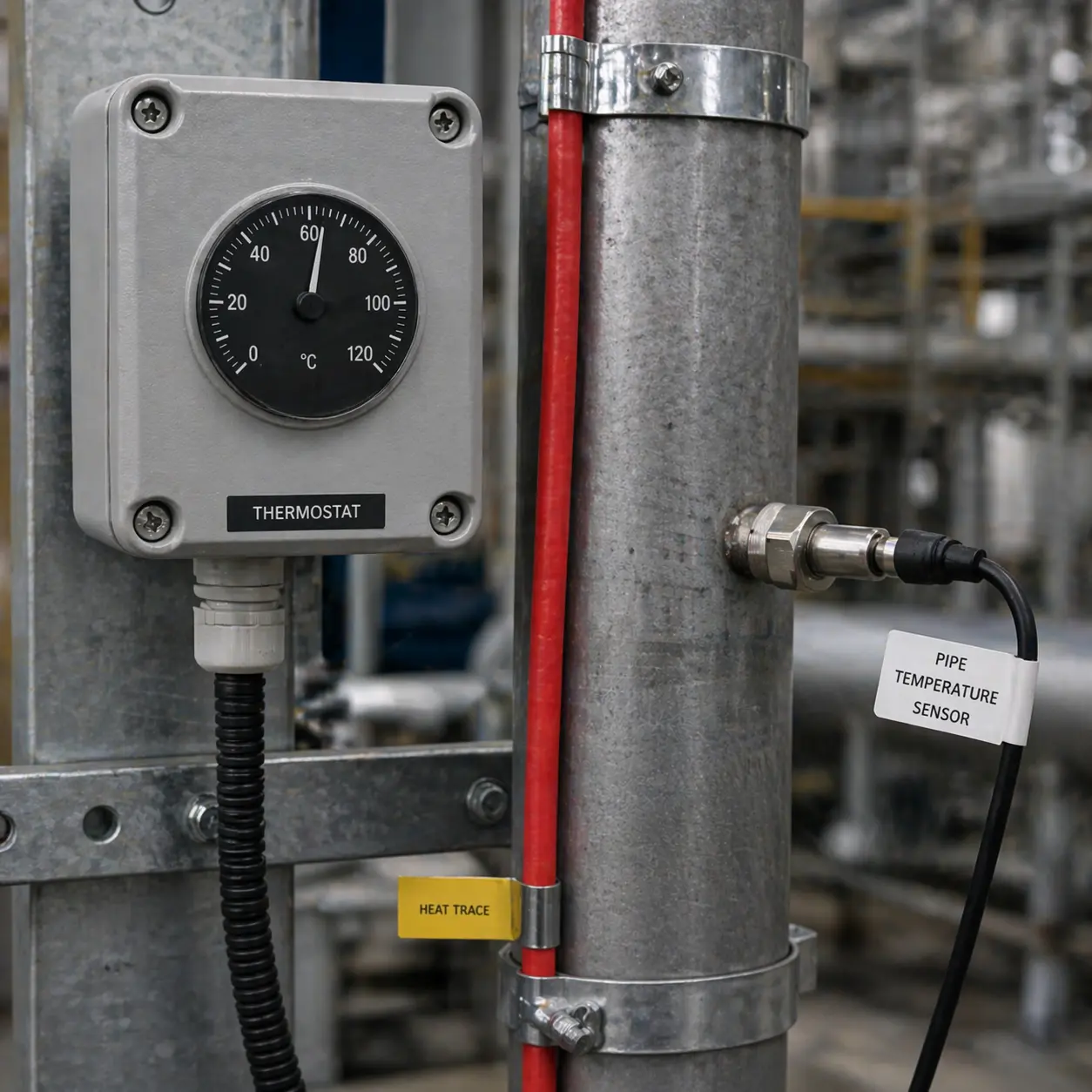
Heat tracing systems play a critical role in maintaining the required temperature of pipelines, tanks, and industrial equipment. However, the effectiveness of these systems is not solely dependent on the heating cables but largely on the correct selection of thermostats and sensors. These control components determine when the system should operate, how much energy it should consume, and how precisely the temperature should be maintained. In modern industrial environments, especially in 2026 where energy efficiency and process safety are top priorities, control equipment has become the backbone of system performance rather than a secondary component.
A poorly selected thermostat or sensor can lead to excessive energy consumption, unstable temperature control, or even system failure. Therefore, choosing the right combination requires a clear understanding of the application, environmental conditions, and required temperature accuracy. For those new to the topic, you can explore the basics in this guide: What is heat tracing? In more advanced applications, integrated heat tracing systems with automation and monitoring capabilities are essential for achieving optimal performance and reliability.
In this technical guide, we will explain how thermostats and sensors function within heat tracing systems, how to select them based on specific applications, and why these components are critical for ensuring system efficiency, safety, and sustainability.
In heat tracing systems, thermostats and sensors form the core of the control mechanism that ensures the system operates within the desired temperature range. While heating cables generate the necessary heat, thermostats and sensors determine when and how that heat is applied. Sensors continuously measure the temperature of the pipe, ambient environment, or process medium, and transmit this data to the thermostat. The thermostat then interprets this information and activates or deactivates the heating system accordingly. This coordinated interaction ensures that the system maintains a stable and controlled temperature at all times.
In modern heat tracing systems, especially with the advancements seen in 2026, thermostats and sensors go far beyond simple on-off control. Smart controllers can analyze temperature trends, provide alarms, and integrate with automation systems for remote monitoring and control. This level of intelligence not only improves operational efficiency but also enhances safety and reduces maintenance needs. Understanding what is heat tracing? becomes more comprehensive when recognizing that control components are not optional add-ons, but essential elements that directly influence system reliability, energy consumption, and long-term performance
Temperature control is one of the most critical factors influencing the overall performance of heat tracing systems because the goal is not just to generate heat, but to maintain it within a precise and stable range. Accurate temperature regulation ensures that the system operates efficiently while protecting the integrity of the process. Even minor deviations can lead to significant performance issues, especially in long pipelines or temperature-sensitive industrial applications. Therefore, the coordination between sensors and thermostats directly determines how reliably the system performs under varying conditions.
With advancements in 2026, modern control systems provide enhanced precision through real-time monitoring and intelligent response mechanisms. These systems minimize temperature fluctuations, allowing for more stable and predictable operation. As a result, energy consumption is optimized, equipment lifespan is extended, and operational risks are significantly reduced. Effective temperature control not only improves system efficiency but also ensures that industrial processes remain consistent, safe, and cost-effective over time.
One of the primary functions of thermostats and sensors in heat tracing systems is to prevent overheating and insufficient heating, both of which can negatively impact system performance and safety. Overheating occurs when the system continues to generate heat beyond the required level, often due to inaccurate temperature readings or improper thermostat calibration. This can damage insulation materials, degrade pipelines, and even alter the properties of the process fluid. On the other hand, insufficient heating can lead to freezing, increased viscosity, or flow blockages, all of which can disrupt operations and cause costly downtime.
In 2026, advanced control technologies are designed to address these risks through precise monitoring and intelligent response mechanisms. High-quality sensors provide accurate real-time data, while modern thermostats incorporate safety limits, alarms, and adaptive control features. These capabilities ensure that the system maintains the optimal temperature range without exceeding safe limits or falling below critical thresholds. By preventing both overheating and underheating, properly selected control components enhance system reliability, protect equipment, and ensure consistent process performance.
Selecting the appropriate control configuration in heat tracing systems depends heavily on the specific application requirements, including temperature sensitivity, environmental conditions, and operational priorities. Not all systems require the same level of control precision; therefore, choosing between basic, intermediate, or advanced control setups is a key engineering decision. For simpler applications, such as freeze protection, basic on-off thermostats with standard sensors may be sufficient. However, for more complex industrial processes, advanced digital controllers with precise feedback mechanisms are essential to maintain consistent performance.
As of 2026, the evolution of smart control technologies has enabled more tailored configurations that align with both energy efficiency goals and process safety standards. Integrated systems can now combine multiple sensors, adaptive thermostats, and centralized monitoring platforms to deliver optimized performance across different operating conditions. This flexibility allows engineers to design application-specific solutions rather than relying on one-size-fits-all approaches. Ultimately, selecting the right control configuration ensures that the system operates efficiently, safely, and in alignment with the intended process requirements.
Freeze protection applications are among the most common uses of heat tracing systems, where the primary objective is to prevent fluids inside pipes or equipment from freezing. In these scenarios, the required temperature accuracy is relatively low, as the goal is simply to keep the temperature above a critical minimum threshold rather than maintain a precise value. For this reason, basic control configurations are typically sufficient, often involving mechanical or simple electronic thermostats paired with standard temperature sensors. These systems are cost-effective and easy to implement, making them ideal for large-scale installations where simplicity and reliability are prioritized.
In 2026, even freeze protection systems are increasingly benefiting from improved energy management strategies. Modern thermostats can be configured to operate only when necessary, reducing unnecessary energy consumption while still ensuring protection against freezing conditions. Additionally, integrating these systems into centralized monitoring platforms allows operators to track performance and detect potential issues early. Although freeze protection applications do not require highly sophisticated control, selecting the right thermostat and sensor combination remains essential to ensure efficiency, reliability, and long-term operational stability.
Process temperature protection applications require a much higher level of precision compared to freeze protection systems because the goal is to maintain a specific and stable temperature range rather than simply preventing freezing. These applications are commonly found in industries such as oil & gas, chemical processing, and food production, where even slight temperature deviations can impact product quality or process efficiency. For this reason, advanced control configurations are essential, typically involving digital thermostats with PID control and high-accuracy sensors such as RTDs or thermocouples. These components work together to ensure that temperature variations are minimized and the process remains consistent.
By 2026, process-focused heat tracing systems increasingly rely on integrated automation and monitoring technologies. Smart controllers can continuously analyze temperature data, adjust heating output dynamically, and provide real-time feedback to operators. This not only improves process stability but also enhances energy efficiency by ensuring that heating is applied only when necessary. In such critical applications, selecting the right thermostat and sensor combination is not just a technical choice but a key factor in maintaining operational reliability, product quality, and overall system performance.
Lines requiring precise temperature monitoring represent some of the most sensitive heat tracing applications, where even minimal temperature deviations can have significant consequences. These systems are typically used in industries such as pharmaceuticals, specialty chemicals, and high-purity processes, where maintaining strict temperature control is essential for product integrity and process reliability. In such cases, advanced control configurations are mandatory, including high-precision digital thermostats and calibrated RTD sensors that provide extremely accurate and stable measurements. The placement of sensors also becomes critical, as even minor positioning errors can lead to incorrect readings and unstable control behavior.
As of 2026, these applications increasingly rely on smart monitoring technologies integrated with SCADA or IoT-based platforms. This allows real-time tracking of temperature data, historical analysis, and predictive maintenance capabilities. With continuous data flow and advanced analytics, operators can detect anomalies before they escalate into major issues. This level of control not only ensures consistent product quality but also enhances safety and operational efficiency. In precision-critical systems, selecting the right thermostat and sensor combination is not optional—it is a fundamental requirement for achieving reliable and optimized performance.
Selecting the right thermostat for a heat tracing system requires a detailed evaluation of several technical and environmental factors, as it directly controls when and how the system operates. The first and most important criterion is the application type and required temperature range. A thermostat used for freeze protection will have significantly different requirements compared to one used in process temperature maintenance. Additionally, the control method—whether simple on-off or advanced PID control—must align with the precision needs of the system. Choosing an inappropriate control type can lead to unstable temperature regulation and reduced system efficiency.
Other critical considerations include environmental conditions and installation requirements. Factors such as ambient temperature, humidity, hazardous area classification (e.g., Ex-proof requirements), and enclosure protection rating (IP class) must be evaluated carefully. In 2026, with increasing emphasis on energy efficiency and smart monitoring, thermostats with communication capabilities (such as Modbus or other industrial protocols) are becoming more common. These features enable remote monitoring, data logging, and integration with centralized control systems. Ultimately, selecting the correct thermostat ensures optimal energy usage, enhances safety, and provides long-term reliability for the entire heat tracing system.
Selecting the appropriate sensor for a heat tracing system involves evaluating several technical parameters that directly impact measurement accuracy and system reliability. One of the primary factors is the required temperature range and accuracy level of the application. For general applications, standard sensors may be sufficient, but for critical processes, high-precision sensors such as RTDs or thermocouples are preferred. Response time is another key consideration, as slow-reacting sensors can lead to delayed system responses and temperature fluctuations. Therefore, matching the sensor type with the dynamic behavior of the system is essential for maintaining stable control.
In addition to performance characteristics, environmental and installation conditions play a significant role in sensor selection. Factors such as exposure to moisture, chemicals, mechanical stress, and extreme temperatures must be considered to ensure long-term durability. In 2026, advancements in smart sensing technologies have introduced sensors capable of real-time data transmission and integration with digital monitoring systems. These features enhance visibility, enable predictive maintenance, and improve overall system efficiency. Proper sensor selection not only ensures accurate temperature measurement but also strengthens system safety, reduces energy waste, and supports reliable long-term operation.
Incorrect selection of thermostats and sensors in heat tracing systems can significantly compromise system efficiency, safety, and operational reliability. When control components do not match the application requirements, the system may fail to maintain the desired temperature range consistently. This leads to unstable operation, where heating cycles become irregular and unpredictable. Inaccurate temperature readings or improper control logic can cause the system to activate too frequently or not respond in time, ultimately reducing overall performance and increasing wear on system components.
In 2026, where energy optimization and process reliability are critical, such inefficiencies are no longer acceptable. Incorrectly selected control equipment not only increases operational costs but also introduces risks related to process failure and equipment damage. As systems become more integrated with digital monitoring and automation platforms, even small inaccuracies in control components can lead to larger system-wide issues. Therefore, understanding the consequences of improper selection is essential for designing efficient and reliable heat tracing systems. These impacts are most commonly observed in two key areas: unnecessary energy consumption and process instability with associated equipment risks.
One of the most immediate and measurable consequences of incorrect thermostat and sensor selection in heat tracing systems is unnecessary energy consumption. When control components fail to accurately detect or regulate temperature, the system may operate longer than required or cycle inefficiently. For example, a low-accuracy sensor may misread the actual temperature, causing the thermostat to keep the heating cable active even when the desired temperature has already been reached. This results in continuous energy usage without any real benefit to the process.
In large industrial facilities, such inefficiencies can lead to substantial increases in operational costs. By 2026, with energy prices rising and sustainability goals becoming stricter, minimizing energy waste is more important than ever. Advanced thermostats with precise control algorithms and properly matched sensors can significantly reduce unnecessary heating cycles. These systems ensure that energy is used only when needed, optimizing overall consumption. Preventing energy waste is not just about cost savings—it also contributes to reducing environmental impact and improving the overall efficiency of the facility.
Incorrect thermostat and sensor selection can lead to serious process instability, especially in applications where maintaining a consistent temperature is critical. When sensors provide inaccurate readings or thermostats fail to respond appropriately, the system may experience continuous temperature fluctuations. These variations can negatively impact the physical and chemical properties of the process medium, leading to inconsistencies in production quality. In industries such as chemical processing or oil and gas, even minor instability can result in significant operational disruptions and financial losses.
Beyond process instability, improper control component selection also increases the risk of equipment damage. Overheating can degrade insulation materials, cause thermal expansion issues, and shorten the lifespan of pipes and valves. Conversely, insufficient heating can lead to freezing, blockages, and mechanical stress within the system. As of 2026, with stricter safety regulations and higher operational standards, these risks must be minimized through accurate and reliable control systems. Properly selected thermostats and sensors ensure stable operation, protect equipment integrity, and contribute to a safer and more efficient working environment.
Selecting the right thermostat and sensor in heat tracing systems is critical because these components directly determine how efficiently, safely, and reliably the system operates. While heating cables generate the thermal output, it is the control components that decide when the system should activate, how long it should run, and how precisely the temperature should be maintained. This makes them the central decision-making elements of the entire system. Treating thermostats and sensors as secondary accessories rather than core components often leads to suboptimal performance and increased operational risks.
A properly selected control configuration ensures that the system responds accurately to real-time temperature conditions, preventing both energy waste and process deviations. In 2026, with increasing emphasis on energy management, sustainability, and digital monitoring, the importance of precise control has become even more significant. Smart thermostats and high-accuracy sensors enable better integration with automation systems, allowing real-time data tracking, predictive maintenance, and optimized energy usage. This not only improves operational efficiency but also enhances system transparency and control.
From an engineering perspective, choosing the correct control components at the design stage reduces long-term costs and minimizes the need for corrective actions later. Incorrect selections often result in inefficiencies that are expensive and time-consuming to fix once the system is operational. By aligning the thermostat and sensor selection with the specific application requirements, environmental conditions, and performance expectations, engineers can ensure a stable, efficient, and durable heat tracing system.
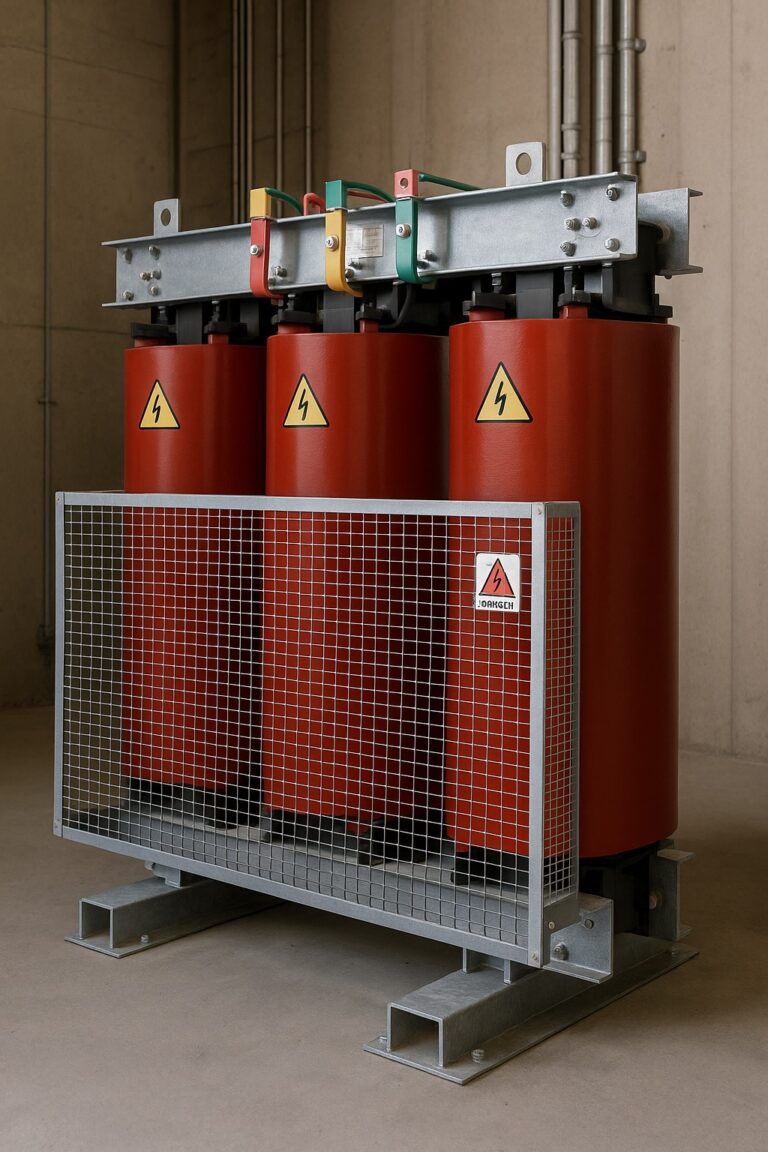
A dry-type transformer is a type of electrical transformer that operates without the use of liquid insulation, making it a...
Devamını Oku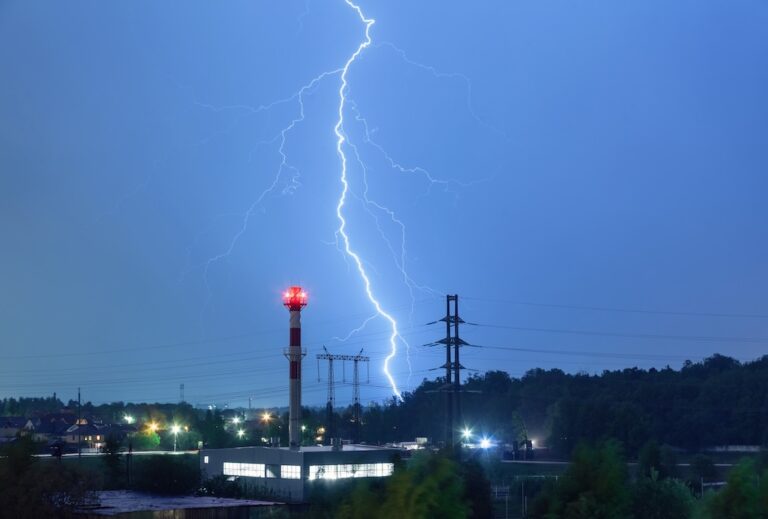
Lightning is a natural phenomenon that poses serious risks to buildings, electrical systems, and human safety. A single lightning strike...
Devamını Oku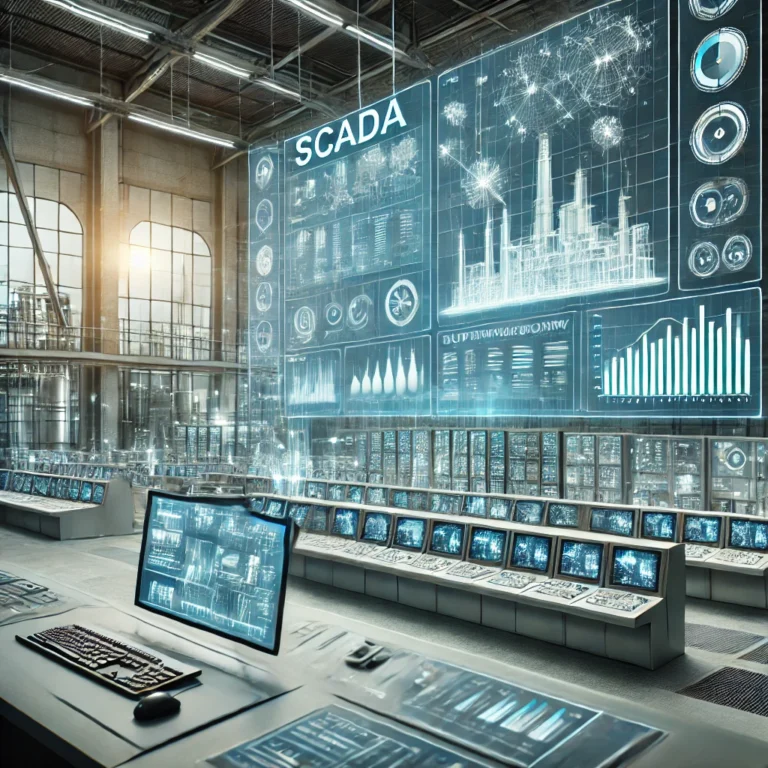
SCADA (Supervisory Control and Data Acquisition) is a comprehensive system designed to monitor, control, and manage industrial processes in real...
Devamını Oku