



What is PRMS? The Importance of Pressure Reduction and Metering Stations
PRMS (Pressure Reduction and Metering Stations) are critical components of natural gas infrastructure, ensuring the safe and efficient delivery of...
Devamını Oku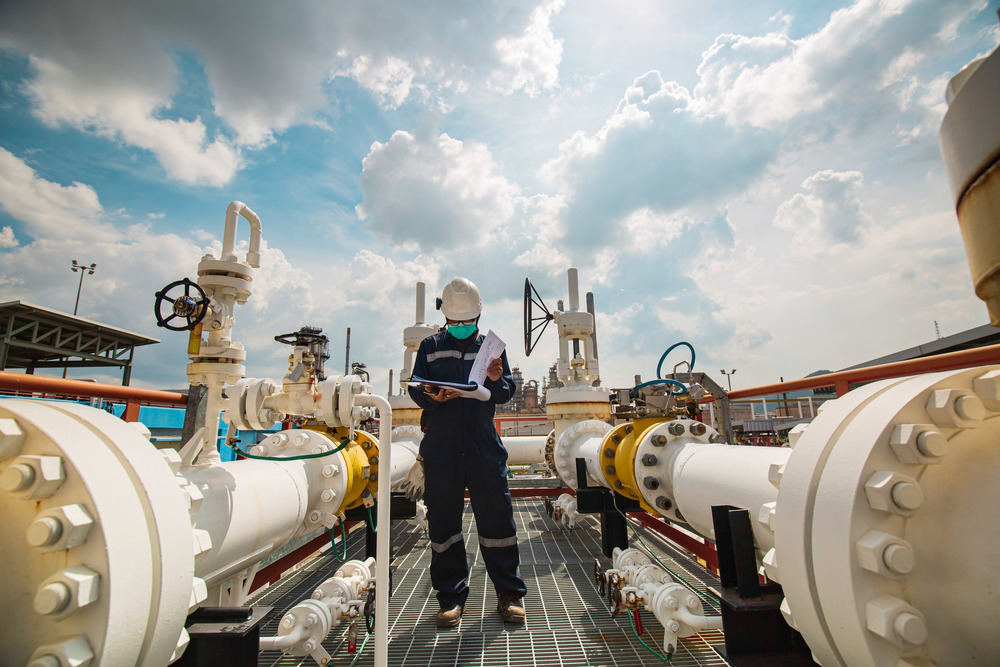

Wind energy is a form of renewable energy derived from the natural movement of air in the Earth’s atmosphere. By harnessing the kinetic energy of wind through specially designed turbines, it can be converted into mechanical and then electrical energy. As a clean, sustainable source of power, wind energy plays a key role in reducing our reliance on fossil fuels and lowering greenhouse gas emissions. Its usage is growing rapidly across the globe due to its environmental and economic benefits.
Understanding what wind energy is and its significance is crucial in today’s world, where energy needs are increasing while climate concerns intensify. Wind power reduces dependency on imported energy, supports energy independence, and helps stabilize long-term electricity costs. The advantages of wind energy include low operational costs, zero emissions during generation, and scalability for both large and small applications. As the definition of wind energy expands through innovation and global adoption, it continues to lead the way in the transition toward cleaner, more resilient energy systems.
Wind energy is a renewable source of power generated by converting the natural movement of air into usable energy. When wind flows across the blades of a wind turbine, it causes them to rotate. This rotational motion drives a generator that produces electricity. As a sustainable and environmentally friendly resource, wind energy does not emit greenhouse gases during operation. This makes it an essential solution for combating climate change and achieving global energy goals. Simply put, what is wind energy can be answered as: the process of turning wind’s kinetic force into electricity using turbines.
The definition of wind energy extends beyond the concept of electricity production. It represents a shift in how we approach power generation—focusing on clean, abundant, and local sources. Used both onshore and offshore, this technology supports everything from small-scale residential systems to massive utility-scale wind farms. The increasing wind energy potential across different regions is unlocking new opportunities for sustainable development. As energy demands grow, wind remains one of the most promising solutions for a cleaner future.
Electricity generation with wind energy begins when wind flows over the blades of a wind turbine, causing them to spin. These blades are connected to a rotor, which turns a shaft inside a generator. The mechanical energy from the rotation is then converted into electrical energy. This process is clean, efficient, and entirely dependent on wind—a naturally replenished resource. With zero fuel costs and minimal emissions, wind power offers a long-term energy solution that benefits both the environment and the economy.
Modern wind farms are typically located in areas with strong and consistent wind conditions. The wind energy installation process involves site selection, environmental assessments, and connecting the turbines to the electrical grid. Once operational, these systems can power homes, businesses, and entire communities. As technology advances and efficiency improves, generating electricity with wind energy continues to become more affordable and accessible worldwide.
The process of generating electricity with wind energy begins when wind turns the blades of a turbine. This kinetic motion spins a rotor connected to a generator, which produces electrical power. It’s a seamless transformation of natural energy into usable electricity, without pollution or fuel. This efficient system showcases how wind energy turns a natural force into sustainable power.
Wind energy is used across a wide range of sectors, making it a highly versatile power source. One of the most common uses is in electricity generation with wind energy, where wind farms supply power to residential, commercial, and industrial grids. However, its applications go far beyond that. Wind turbines can be used in rural areas to support water pumping systems, communications infrastructure, and even remote health clinics. Understanding where wind energy is used helps illustrate its flexibility and global relevance.
In agriculture, wind turbines are used to power irrigation pumps and agricultural equipment. In urban settings, smaller-scale systems contribute to grid stability and energy independence. From isolated villages to high-tech cities, wind energy installation can be scaled to meet specific local needs. This makes wind power not only environmentally sustainable but also socially impactful, offering clean energy in places where it’s needed most.
One of the primary applications of wind energy is in electricity generation. Large-scale wind farms contribute directly to national grids, while small turbines can power homes or businesses. Electricity generation with wind energy reduces dependence on fossil fuels and offers a clean, cost-effective solution for growing power demands. It’s a core component of modern renewable energy strategies worldwide.
In rural areas, wind energy supports agricultural operations by powering irrigation systems, water pumps, and other farm equipment. This reduces fuel costs and dependency on unreliable grid access. Especially in developing regions, what is wind energy used for often includes farming and land management, making it an essential tool for sustainable agriculture and rural development.
Wind energy is increasingly being integrated into industrial zones and urban environments. Factories, data centers, and large facilities benefit from on-site wind energy installation to reduce operating costs and carbon emissions. In cities, small-scale turbines are used in buildings and public infrastructure, showing where wind energy is used beyond rural and utility-scale applications.
In off-grid locations such as islands, mountain regions, and rural villages, wind energy provides a reliable power source where traditional infrastructure is lacking. Through small-scale wind energy installation, communities can access clean electricity without relying on diesel generators. This demonstrates the wind energy potential to improve quality of life and support development in remote areas.
Because wind energy is variable and depends on weather conditions, storing the electricity it generates is essential for consistent supply. Various wind energy storage methods have been developed to meet this need. The most common method is battery storage, especially lithium-ion systems, which store excess power for use during low-wind periods. Other technologies include flywheels, compressed air storage, and pumped hydro storage, each offering unique advantages based on location and energy demands.
Effective storage enhances the reliability and flexibility of electricity generation with wind energy, helping balance supply and demand on the grid. As technology evolves, energy storage solutions are becoming more affordable and efficient. These advancements are critical in maximizing the advantages of wind energy and ensuring its long-term role in global energy systems.
In a world facing climate change and energy insecurity, understanding why wind energy is important is crucial. As a clean, renewable resource, wind energy helps reduce greenhouse gas emissions and combat global warming. It requires no fuel, produces no air pollution, and reduces reliance on imported fossil fuels. These environmental benefits make wind power a core part of sustainable energy strategies worldwide.
Economically, wind power contributes to job creation, energy cost stability, and long-term investment opportunities. Countries with high wind energy potential can strengthen energy independence and increase resilience in their national grids. The many advantages of wind energy—from environmental protection to economic growth—highlight its essential role in building a secure, sustainable future.
Yes, wind energy is a 100% renewable resource. It is naturally replenished by atmospheric processes and does not deplete over time. Unlike fossil fuels, wind will never run out, making it a key solution for sustainable power. The question “is wind energy renewable” is answered by its endless availability and minimal environmental impact.
Yes, generating electricity with wind energy is increasingly profitable due to falling technology costs, low operational expenses, and supportive government policies. Once installed, turbines produce power at minimal cost. Over time, this leads to substantial savings, especially in high wind areas. The advantages of wind energy make it a smart investment for both utilities and private operators.
To ensure efficiency, most wind turbines require a minimum wind speed of around 4 to 5 meters per second (m/s) to begin generating power. However, optimal performance usually occurs at 7 m/s or higher. Careful site analysis is essential before wind energy installation, as wind consistency and speed determine long-term energy yield and project viability.
While wind energy is clean and sustainable, wind turbines can have some environmental impacts. These may include noise, visual effects, and potential disruption to bird migration if not properly sited. However, compared to fossil fuel alternatives, the advantages of wind energy—such as zero emissions and minimal land usage—far outweigh its limited ecological footprint.
Yes, Turkey offers several incentives to support wind energy development. Through mechanisms like the Renewable Energy Resources Support Scheme (YEKDEM), investors benefit from feed-in tariffs, VAT exemptions, and grid connection support. These programs lower the cost of wind energy installation and encourage both domestic and foreign investment in the country’s growing renewable energy sector.
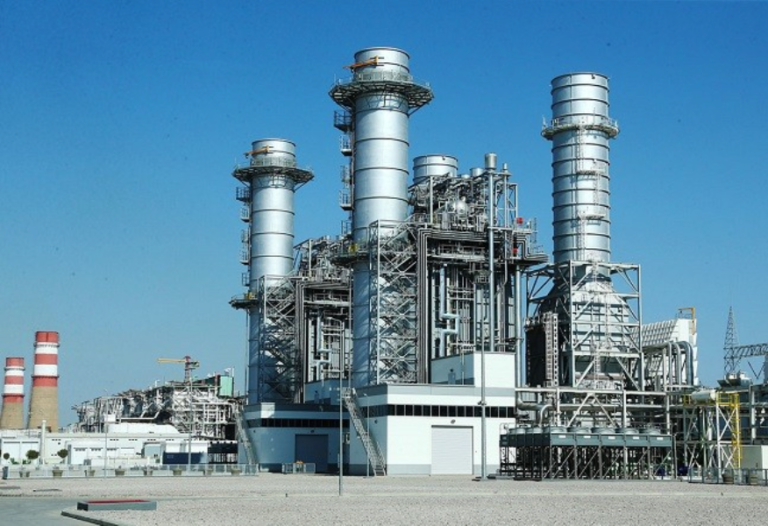
PRMS (Pressure Reduction and Metering Stations) are critical components of natural gas infrastructure, ensuring the safe and efficient delivery of...
Devamını Oku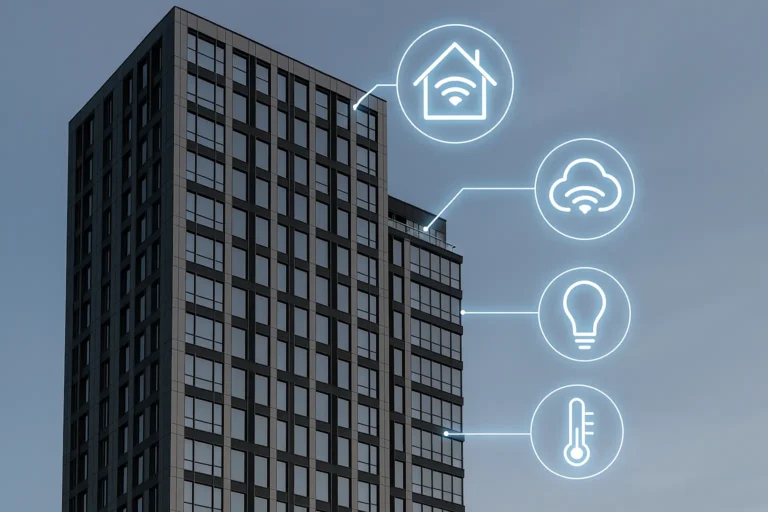
As technology evolves, the spaces we live and work in are also becoming smarter, more secure, and more efficient. At...
Devamını Oku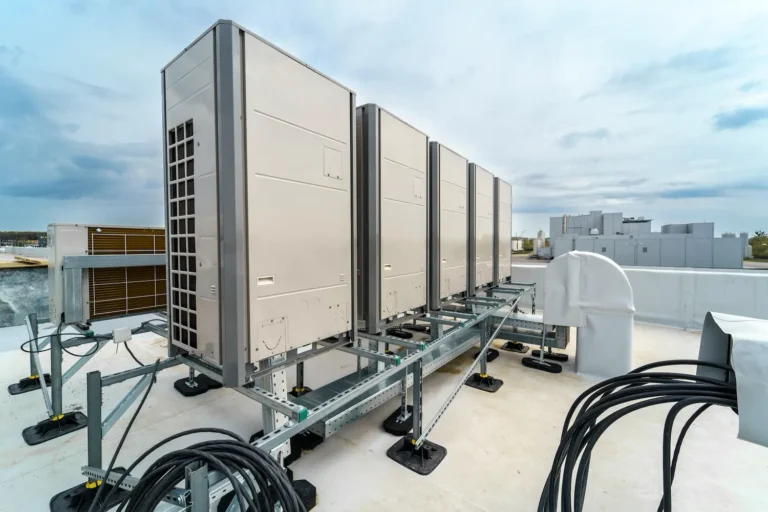
HVAC stands for “Heating, Ventilation, and Air Conditioning,” representing systems designed to control the indoor climate by regulating temperature, humidity,...
Devamını Oku