



Energy Transmission and Distribution: Reliable and Efficient Solutions
In today’s modern world, the continuous and efficient flow of electricity is essential for both industrial operations and daily life....
Devamını Oku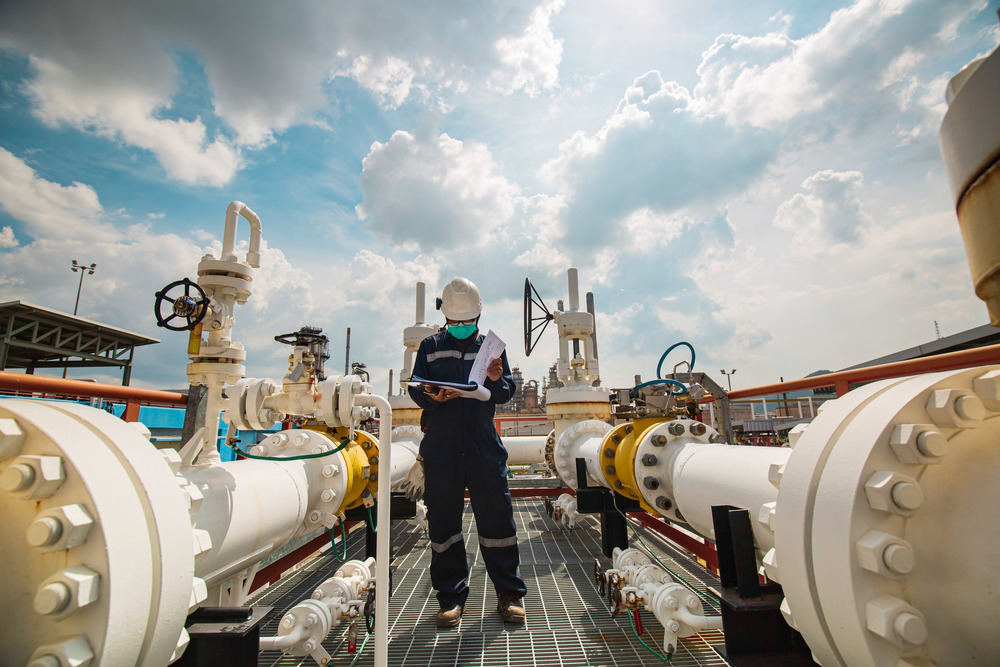

RMS stations are essential components in the transmission and distribution of natural gas, designed to ensure safe, efficient, and uninterrupted delivery to end-users. A natural gas RMS station is primarily responsible for regulating gas pressure, performing accurate measurements, and maintaining gas quality. These stations play a pivotal role in diverse sectors, from urban infrastructure to industrial applications.
The classification of RMS stations is based on their functions and capacities. The primary types include the RMS A station, RMS B station, and RMS C station, each tailored to meet specific requirements in the gas distribution process. These stations are integral to the infrastructure, as they ensure natural gas is delivered safely and at the appropriate pressure for various applications. In the following sections, we will delve deeper into the functionality, types, installation, and usage of RMS stations.
An RMS station, or Regulating and Metering Station, is a vital part of the natural gas distribution network. It regulates the pressure of natural gas delivered from high-pressure transmission lines to levels that are suitable for end-users, ensuring safety and efficiency. In addition to pressure regulation, an RMS station monitors gas flow and conducts precise measurements to maintain system balance and meet consumer demand.
The primary role of an RMS station is to act as a bridge between the high-pressure transmission system and the lower-pressure distribution system. By doing so, it enables gas to be distributed to residential, commercial, and industrial areas efficiently. This infrastructure also ensures that the quality and safety of the gas are maintained throughout its delivery process. Hence, when asking what is an RMS station, the answer lies in its pivotal function of regulating and metering natural gas for diverse applications.
An RMS station serves several critical functions in the natural gas distribution process. Its primary role is to regulate the pressure of natural gas from high-pressure transmission lines to levels appropriate for safe use by consumers. This pressure adjustment ensures that natural gas is compatible with the requirements of residential, commercial, and industrial applications.
In addition to pressure regulation, the station performs precise measurements of gas flow. These measurements are essential for tracking consumption, maintaining supply accuracy, and ensuring billing transparency. Another key function of the natural gas RMS station is maintaining gas quality by filtering out impurities, which safeguards downstream equipment and ensures reliability. Furthermore, the station is equipped with safety mechanisms to handle emergency situations, such as sudden pressure changes, to prevent accidents. Overall, the RMS station is indispensable for the efficient, safe, and reliable delivery of natural gas.
RMS stations are categorized into distinct types based on their capacity and functional roles in the natural gas distribution network. The three primary types are the RMS A station, RMS B station, and RMS C station. Each type serves a unique purpose, ensuring that natural gas is delivered efficiently and safely at the required pressure levels.
Each type of station is equipped with specialized components to meet specific operational requirements. Their strategic placement and design ensure the seamless functioning of the overall gas distribution network.
The RMS A station is designed to handle natural gas at high pressures, making it the first point of regulation in the gas distribution network. These stations reduce gas pressure from transmission pipelines to medium levels, ensuring safe and efficient distribution to industrial facilities or regional distribution networks.
Typically located near high-pressure transmission lines, an RMS A station is equipped with robust safety systems and advanced control mechanisms. These features allow it to regulate gas flow accurately, perform quality measurements, and maintain operational reliability. Due to its capacity to handle large volumes of natural gas, this station is commonly used in industrial zones or city-wide distribution hubs. Its role is critical for preparing gas for further regulation and eventual use in downstream applications.
The RMS B station operates at medium-pressure levels, serving as an intermediate point in the natural gas distribution network. It is responsible for reducing the pressure of gas supplied by RMS A stations or high-pressure pipelines to levels suitable for smaller distribution networks or medium-scale industrial applications.
An RMS B station is commonly used in areas where natural gas needs to be supplied to specific industrial zones, regional networks, or large commercial facilities. These stations ensure the consistency and safety of gas delivery while performing essential functions like gas flow measurement and quality control. Their ability to manage medium-pressure gas efficiently makes them indispensable for areas with diverse energy demands.
The RMS C station is the final stage in the natural gas distribution process, designed to deliver low-pressure gas directly to end-users. These stations ensure that natural gas is at a safe and usable pressure level for residential homes, small businesses, and local commercial facilities.
Compact and cost-efficient, an RMS C station is often installed in urban and suburban areas to meet local energy needs. In addition to pressure regulation, these stations handle gas flow measurements to ensure accurate billing and consumption tracking. Their simple yet effective design makes them ideal for widespread deployment, providing a seamless link between the distribution network and end-users.
The installation and maintenance of RMS stations are crucial for ensuring the safe and efficient operation of the natural gas distribution network. Proper installation begins with selecting an appropriate location that complies with safety standards and environmental considerations. Each component, including pressure regulators, flow meters, and safety valves, must be installed and calibrated to meet operational requirements.
Maintenance is equally important, as it ensures the long-term reliability and performance of the station. Periodic inspections and servicing are necessary to identify and address wear, potential leaks, or malfunctions. Regular maintenance also includes testing safety mechanisms to prepare for emergency scenarios. By adhering to stringent installation and maintenance protocols, the efficiency and safety of an RMS station can be maximized.
Installing an RMS station involves a series of carefully planned steps to ensure safety, reliability, and compliance with regulatory standards. These steps include:
Following these steps ensures a seamless installation process, resulting in an efficient and secure natural gas RMS station.
Periodic maintenance is essential for the continuous and safe operation of RMS stations. It involves a structured approach to inspect, service, and upgrade station components to prevent malfunctions and ensure optimal performance.
Key maintenance activities include:
Regular maintenance not only extends the lifespan of the RMS station but also guarantees safety and efficiency in natural gas distribution.
RMS stations play a pivotal role in various sectors, ensuring the seamless distribution of natural gas across different usage areas. These stations cater to both industrial and urban demands, making them indispensable for modern infrastructure.
In the industrial sector, RMS stations supply natural gas to power plants, manufacturing units, and other facilities that rely on consistent and efficient energy sources. For urban applications, these stations support residential and commercial buildings by regulating gas pressure and ensuring safe delivery. The adaptability of RMS stations to meet the needs of diverse industries and city environments highlights their significance in the energy distribution network.
In industrial applications, RMS stations are critical for meeting high energy demands. These stations provide natural gas at regulated pressures suitable for large-scale operations, such as power generation, chemical manufacturing, and heavy machinery production. By ensuring a stable and continuous gas supply, RMS stations contribute to improved efficiency and reduced operational costs.
The adaptability of RMS stations makes them a key asset in diverse industrial settings. They handle significant gas volumes while maintaining precise pressure control, ensuring the safe operation of equipment like boilers, turbines, and kilns. As a result, RMS stations support industrial growth by facilitating reliable and sustainable energy solutions.
RMS stations are vital for supporting urbanization by ensuring the safe and reliable delivery of natural gas to residential, commercial, and municipal infrastructures. As cities expand, the demand for natural gas as a clean and efficient energy source increases, making RMS stations a cornerstone of modern urban energy networks.
In residential areas, RMS stations regulate gas pressure to meet the safety requirements of homes, ensuring efficient operation of appliances like heaters and stoves. In commercial zones, these stations cater to the energy needs of businesses, including restaurants, office buildings, and shopping centers. By enabling widespread access to natural gas, RMS stations facilitate sustainable urban development and improve the quality of life for city dwellers.

In today’s modern world, the continuous and efficient flow of electricity is essential for both industrial operations and daily life....
Devamını Oku
Structured cabling is one of the fundamental components of modern technology infrastructure, ensuring the smooth and sustainable operation of network...
Devamını Oku
In industrial environments where temperature control is critical, maintaining consistent heat along pipelines, tanks, and process equipment is essential for...
Devamını Oku