



What is HMI? What Does It Do?
HMI, which stands for Human Machine Interface, refers to the technology that allows humans to interact with machines in a...
Devamını Oku

In today’s fast-paced and technology-driven world, automation has become a necessity rather than a luxury. This is where the concept of what is a robotic system gains its importance. A robotic system is an intelligent and automated mechanism designed to perform specific tasks with precision, efficiency, and minimal human intervention. These systems integrate mechanical components, software algorithms, and sensors to operate in dynamic environments, often adapting to real-time data and instructions. The increasing reliance on robotic systems across various sectors underlines their essential role in modern industry.
From manufacturing plants to logistics centers, from healthcare facilities to defense operations, robotic systems are transforming traditional workflows. They improve productivity, reduce human error, and ensure consistency in operations. One of the most critical benefits of a robotic system is its ability to work in hazardous or high-risk environments, thereby ensuring the safety of human workers. Moreover, the implementation of robotics accelerates production timelines and enhances product quality.
Companies like Adatech, which focus on innovative engineering solutions, are actively integrating robotic systems into industrial projects to meet global standards. These technologies not only contribute to operational excellence but also align with sustainability and digital transformation goals. As industries evolve with Industry 4.0, the adoption of robotic systems has become a strategic necessity rather than an optional upgrade. Understanding what is a robotic system is key to embracing the future of intelligent and automated industries.
A robotic system is a combination of mechanical, electronic, and software components that work together to perform tasks automatically or semi-autonomously. These systems typically include sensors to detect environmental changes, actuators to produce movement, controllers to manage operations, and software to interpret data and make decisions. Robotic systems are designed to mimic or enhance human capabilities, allowing them to execute tasks ranging from simple, repetitive actions to complex operations that require adaptability and precision.
Understanding what is a robotic system goes beyond recognizing it as just a machine. It involves acknowledging its role as an intelligent entity capable of learning, adapting, and functioning in environments where human performance may be limited or inefficient. Today’s robotic systems are often integrated with AI, machine learning, and IoT technologies, enabling them to interact with their surroundings in real-time and evolve based on new inputs. This dynamic nature makes robotic systems essential components in modern-day automation and industrial development.
The use of robotic systems in industrial environments has expanded rapidly over the past decade, revolutionizing how businesses approach production, logistics, quality control, and more. These systems are widely used in sectors such as automotive, electronics, food processing, healthcare, agriculture, and defense. They perform tasks such as assembly, welding, painting, packaging, and even inspection with consistent accuracy and speed. With programmable logic and advanced sensors, robotic systems can adapt to various workflows, making them highly versatile for both repetitive and dynamic tasks.
Understanding what is a robotic system helps highlight its value in enhancing productivity, safety, and cost efficiency. In industries where precision and consistency are critical, robotic systems minimize errors and reduce waste. Moreover, they are capable of operating in extreme conditions, such as high temperatures, toxic environments, or confined spaces where human access is limited. As industries push toward digital transformation and smart manufacturing, the demand for robotics continues to grow. Integration with technologies like artificial intelligence and cloud computing further expands their capabilities, making robotic systems a cornerstone of future-ready industrial solutions.
In industrial manufacturing, the robotic system plays a vital role in automating repetitive tasks such as welding, screwing, assembling, and labeling. These systems ensure consistent quality and significantly reduce production time. With high precision and speed, robotic systems eliminate human error and streamline workflows, making them indispensable components of modern assembly lines.
A robotic system enhances logistics operations by automating inventory handling, order picking, and material transport. These systems boost warehouse efficiency, reduce operational costs, and improve accuracy in inventory management. With real-time data integration and adaptive movement capabilities, robotic systems streamline storage workflows and support the growing demands of e-commerce and just-in-time delivery models.
In healthcare, a robotic system is used for precision surgeries, patient rehabilitation, medication delivery, and even remote diagnostics. These systems increase treatment accuracy, reduce recovery times, and lower human error. Robotic technologies also assist medical staff in repetitive or high-risk tasks, enhancing overall patient care and operational efficiency in hospitals and clinics
A robotic system contributes to precision agriculture by automating planting, harvesting, irrigation, and crop monitoring. In the defense sector, it is utilized for surveillance, bomb disposal, and unmanned operations. These systems perform critical tasks in challenging environments, reducing human risk while increasing accuracy, making robotics a strategic asset in both food security and national defense.
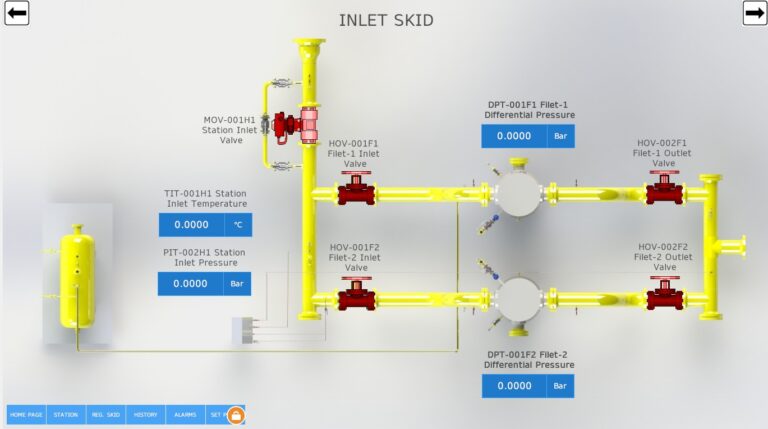
HMI, which stands for Human Machine Interface, refers to the technology that allows humans to interact with machines in a...
Devamını Oku
In today’s modern world, the continuous and efficient flow of electricity is essential for both industrial operations and daily life....
Devamını Oku
Cathodic protection is an advanced electrochemical method used to prevent corrosion in metal structures. Corrosion occurs when metal surfaces react...
Devamını Oku