



What are Fire Alarm Systems? How Do They Work?
Fire alarm systems are essential components of modern safety infrastructure, designed to detect and alert occupants about potential fire hazards...
Devamını Oku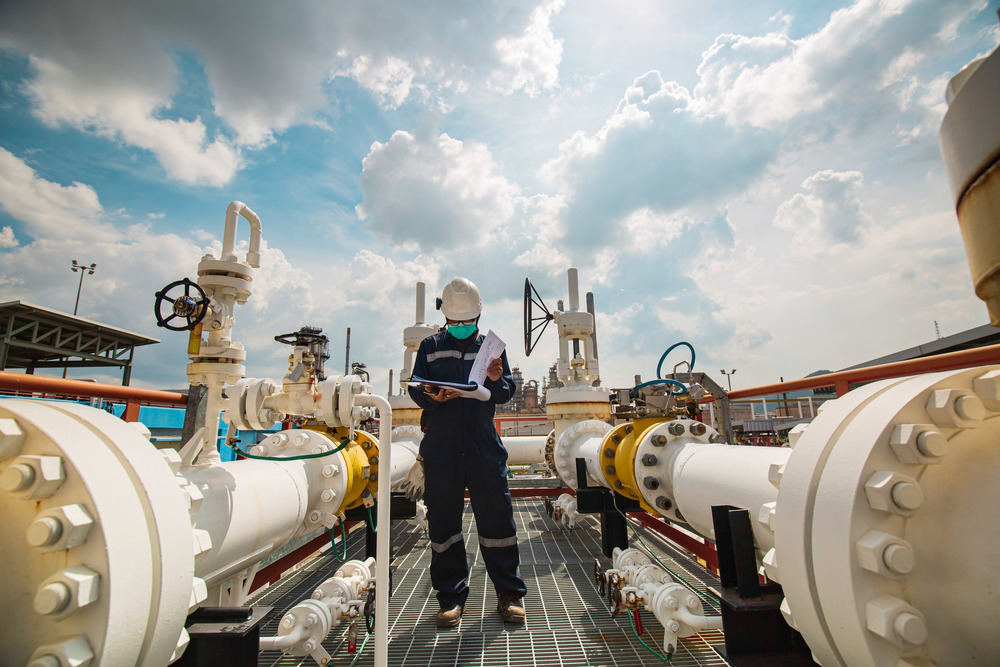

Industrial control systems are integrated technology structures that automate, monitor, and manage industrial operations. These systems play a crucial role in modern manufacturing, ensuring processes run efficiently, safely, and with minimal human intervention. They combine software, sensors, controllers, and interfaces to coordinate activities across machines and equipment within a facility. From adjusting temperatures and pressures to managing production flow, these systems optimize operations for quality and consistency.
To understand what are industrial control systems, it’s important to know how they function. Sensors first collect real-time data from the environment or machinery. This data is processed by a Programmable Logic Controller (PLC), which makes decisions based on programmed logic. The system then sends commands to actuators to make necessary adjustments. At the same time, SCADA and HMI interfaces allow operators to visualize the system status and interact with the process as needed. This real-time communication and control loop ensures that the system can detect issues early, respond quickly, and maintain uninterrupted production. For innovative engineering companies like Adatech, industrial control systems are at the heart of delivering reliable and scalable automation solutions.
Industrial control systems are advanced frameworks used to manage, command, and regulate industrial processes automatically. These systems are designed to operate equipment with minimal human intervention by using a combination of hardware and software components. They include devices such as sensors, actuators, PLCs (Programmable Logic Controllers), SCADA systems, and HMIs (Human Machine Interfaces), all of which work together to ensure precise and consistent control of manufacturing and infrastructure operations. The primary purpose of these systems is to increase efficiency, enhance safety, and reduce the margin for error in high-demand environments.
When asking what are industrial control systems, it’s important to see them not only as technical systems but also as strategic tools for digital transformation in industries. These systems monitor real-time data, analyze conditions, and automatically respond to maintain stability in operations. From controlling a single machine to coordinating an entire factory floor, industrial control systems provide the backbone for smart manufacturing. Companies like Adatech integrate tailored control systems into client operations, ensuring compliance with international standards while delivering seamless performance, adaptability, and longevity. This makes them an indispensable part of modern industrial automation strategies.
The primary purpose of industrial control systems is to automate and optimize industrial processes while ensuring maximum efficiency, reliability, and safety. These systems are designed to reduce manual intervention, eliminate errors, and maintain consistency across production lines. By automating repetitive tasks and monitoring critical parameters, they allow factories and plants to run continuously with minimal downtime. This not only improves productivity but also extends the lifespan of machinery through precise and timely control.
In addition to automation, industrial control systems also provide real-time data that supports better decision-making. This data can be analyzed to identify inefficiencies, predict maintenance needs, and enhance overall process performance. For companies like Adatech, implementing control systems means offering clients a smarter, more adaptable way to manage their operations. These systems are crucial for industries aiming to meet modern challenges such as energy optimization, cost reduction, and digital transformation. Simply put, their purpose goes far beyond control—they are central to driving sustainable industrial growth.
Industrial control systems are made up of various integrated components that work together to automate and manage complex industrial operations. Each component has a specific role in gathering data, making decisions, and executing control actions. At the heart of the system are sensors and actuators, which collect data from the environment and physically respond to commands. PLCs (Programmable Logic Controllers) act as the brain of the system, processing input data and sending instructions. Meanwhile, SCADA systems provide supervisory control and data collection, and HMIs (Human Machine Interfaces) allow operators to visualize and interact with the system in real-time.
In addition, industrial networks and communication protocols form the backbone of these systems, enabling seamless data exchange between devices. Protocols such as Modbus, Profibus, and Ethernet/IP ensure that all components communicate effectively, regardless of manufacturer. Without these networks, system coordination and performance would suffer. Companies like Adatech understand the importance of proper component selection and system integration to create robust, scalable, and efficient industrial automation solutions. Knowing the basic components is essential for understanding how industrial control systems work and how they support the industrial landscape.
Sensors and actuators are essential building blocks of industrial control systems. Sensors collect real-time data from the physical environment—such as temperature, pressure, flow rate, or position—and convert these physical values into electrical signals. This information is then sent to the control unit for processing. Actuators, on the other hand, perform actions based on the control signals they receive, such as opening a valve, starting a motor, or adjusting a position. Together, these devices create a feedback loop that ensures the system continuously responds to changing conditions.
Without sensors and actuators, the automation process would not be possible. Their accuracy and speed directly affect the performance and reliability of the entire system. Adatech incorporates high-quality, durable sensor and actuator technologies into its control systems to ensure smooth operation, even in demanding industrial environments. These components help minimize errors, improve safety, and maintain product quality—making them indispensable to industrial control systems.
A PLC (Programmable Logic Controller) is a rugged digital computer specifically designed for industrial automation. It serves as the central processing unit in industrial control systems, making real-time decisions based on data from sensors and executing commands through actuators. PLCs operate by following a programmed logic sequence, which can be tailored to meet the unique requirements of various industrial processes. Their high speed, reliability, and modularity make them ideal for applications in manufacturing, energy, transportation, and more.
PLCs are known for their ability to handle complex logic operations, integrate with multiple devices, and withstand harsh environments. With features like ladder logic programming, real-time monitoring, and flexible I/O configuration, they form the operational backbone of most automated systems. Adatech utilizes advanced PLC platforms to build efficient, scalable control architectures that ensure seamless operation and process optimization. In essence, PLCs are the brains that interpret, decide, and execute actions within a modern industrial control system.
SCADA (Supervisory Control and Data Acquisition) systems are used to monitor, control, and gather data from industrial processes in real time. Acting as the eyes and ears of industrial control systems, SCADA collects input from sensors and PLCs across the facility, then displays this data on operator screens in a clear and actionable format. Operators can use SCADA systems to view trends, generate reports, receive alarms, and make critical decisions based on live system conditions—even from remote locations.
SCADA’s strength lies in its ability to manage large-scale, distributed processes such as water treatment plants, oil pipelines, or manufacturing lines. A well-implemented SCADA system improves visibility, enhances safety, and allows for predictive maintenance by analyzing system behavior over time. Adatech integrates SCADA solutions that are intuitive, secure, and fully customizable to fit the unique needs of each project. As a result, SCADA plays a vital role in making industrial control systems smarter and more responsive.
The HMI (Human Machine Interface) is the control panel that connects human operators with the machinery and processes within industrial control systems. It provides a visual representation of the system, displaying real-time data such as equipment status, system performance, and alerts. Through the HMI, operators can input commands, adjust settings, and respond quickly to changing conditions, all via an intuitive graphical interface.
HMIs improve efficiency by simplifying complex operations into user-friendly dashboards, often featuring touch screens, alarms, and trend displays. Adatech’s tailored HMI solutions focus on usability and clarity, helping operators make informed decisions faster and with greater confidence. As an essential component of any automation system, the HMI bridges the gap between digital control logic and human decision-making, enabling a smooth and safe interaction with industrial processes.
Industrial networks and communication protocols are the backbone of data exchange within industrial control systems. They enable seamless communication between sensors, PLCs, HMIs, SCADA systems, and other devices in real time. These protocols ensure that each component understands the data it receives, regardless of manufacturer or model. Common communication standards include Modbus, Profibus, Profinet, EtherNet/IP, and CANopen.
Reliable communication is essential for coordination, system stability, and operational safety. High-speed and error-free data transfer helps prevent delays, ensures synchronized operations, and supports centralized monitoring. Adatech designs robust network architectures tailored to each industrial environment, using the right protocol and topology to guarantee maximum performance and scalability. Without strong networking infrastructure, even the most advanced control system would fall short in delivering real-time responsiveness and system-wide integration.
Industrial control systems are widely used across numerous sectors to manage and automate complex operations with precision and reliability. From manufacturing to energy production, these systems allow organizations to streamline processes, reduce operational costs, and ensure consistent product quality. In industries such as automotive, pharmaceuticals, food and beverage, oil and gas, and water treatment, control systems play a central role in achieving regulatory compliance, optimizing resources, and minimizing downtime.
For example, in power plants, control systems regulate electricity generation and distribution. In water treatment facilities, they monitor and adjust chemical dosing and flow rates. The oil and gas industry relies on real-time control to manage pressure levels, monitor safety systems, and ensure continuous operations in hazardous environments. Adatech delivers customized solutions across these industries, providing engineering expertise to build highly responsive, efficient, and scalable systems. With the rise of smart factories and Industry 4.0, the importance of industrial control systems continues to grow, enabling businesses to make data-driven decisions and maintain a competitive edge
Industrial control systems offer a wide range of advantages that significantly improve operational performance, safety, and productivity. One of the key benefits is automation—replacing manual tasks with intelligent systems reduces human error and ensures process consistency. These systems also provide real-time monitoring and control, allowing for quick response to anomalies and minimizing unplanned downtime. As a result, organizations can maintain high levels of efficiency and reduce maintenance costs.
Another major advantage is the ability to collect and analyze data from across the facility. This data enables predictive maintenance, better resource planning, and informed decision-making. Furthermore, with scalable architecture and standardized communication protocols, industrial control systems can easily adapt to changing operational needs and integrate with newer technologies. Adatech specializes in developing smart, reliable solutions that maximize these benefits, helping businesses achieve long-term growth and resilience. Ultimately, industrial control systems are not just tools for automation—they are strategic enablers of industrial excellence.

Fire alarm systems are essential components of modern safety infrastructure, designed to detect and alert occupants about potential fire hazards...
Devamını Oku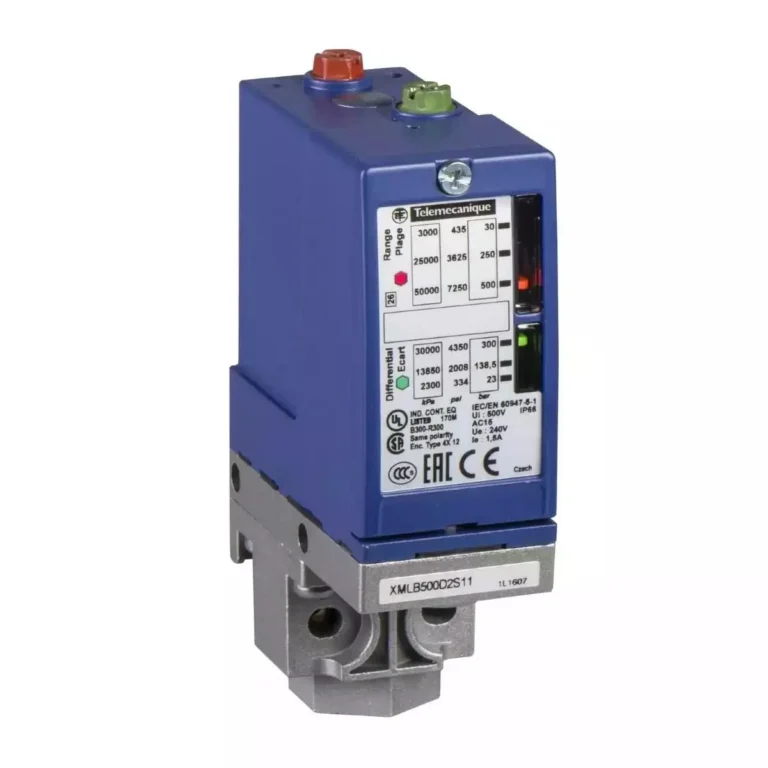
A pressure switch is an electromechanical device used to monitor fluid or gas pressure and trigger an action—typically opening or...
Devamını Oku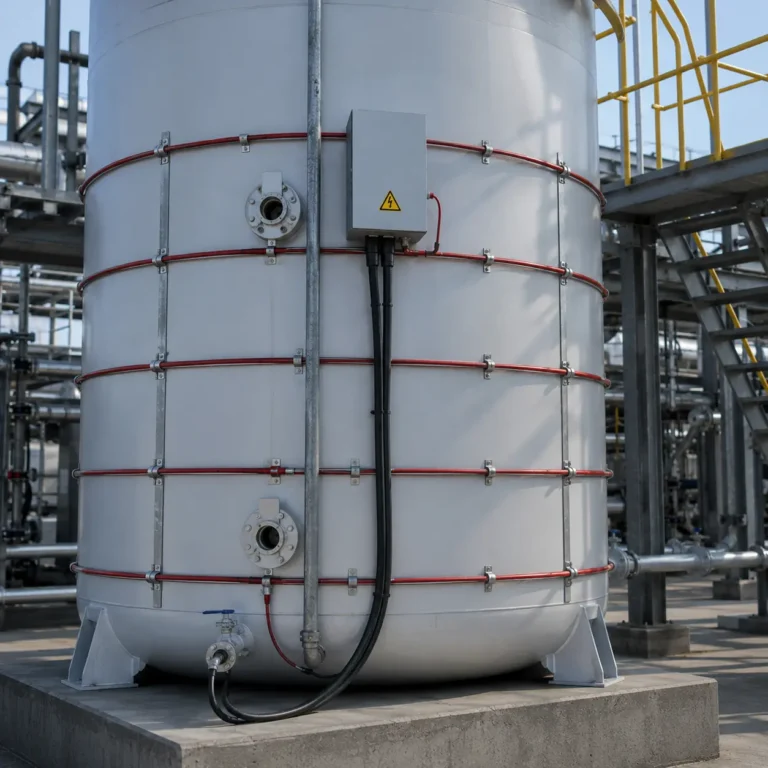
Heat tracing is a critical engineering solution used in tank heating applications to maintain product temperature, ensure flowability, and protect...
Devamını Oku