



The Role of SCADA DMS Systems in Electricity Distribution
Electricity distribution networks are complex infrastructures responsible for delivering power from transmission systems to end users such as homes, industries,...
Devamını Oku

Industrial automation systems play a critical role in ensuring that production processes operate efficiently, safely, and continuously. In modern facilities, plc scada systems are widely used to manage and monitor industrial operations from a centralized platform. PLC devices control machines, sensors, and equipment in the field, while SCADA systems collect and visualize operational data so that operators can observe the entire process in real time. This combination allows businesses to maintain better control over production lines, energy systems, and infrastructure operations.
In many industrial environments, plc and scada technologies work together to create an integrated automation architecture. Data generated by sensors and field devices is processed by PLCs and transmitted to SCADA platforms where operators can monitor system performance, detect alarms, and analyze operational trends. This integration enables companies to improve productivity, reduce downtime, and ensure operational safety. Engineering companies also develop automation solutions that combine electrical infrastructure, automation systems, and field implementation to support industrial facilities with reliable and scalable technologies.
Understanding what is plc scada and how these systems interact is essential for designing modern automation infrastructures. Many organizations also seek to understand the scada and plc difference in order to determine the correct architecture for their operations. With advanced scada software, industries can monitor processes remotely, collect historical data, generate reports, and make data-driven decisions that enhance operational efficiency.
In industrial automation, plc scada refers to the integration of two essential technologies used to control and monitor industrial processes. PLC stands for Programmable Logic Controller, a hardware device designed to automate machinery and industrial equipment. SCADA stands for Supervisory Control and Data Acquisition, which is a system used to monitor, collect, and visualize operational data from industrial processes. When these two systems work together, they create a powerful automation structure that allows industries to manage operations more efficiently and reliably.
In a typical automation environment, plc and scada systems operate in a complementary manner. The PLC is responsible for controlling machines, sensors, motors, and other field devices according to programmed logic. Meanwhile, the SCADA system gathers the data produced by these PLCs and displays it through graphical interfaces so operators can monitor processes in real time. This integrated structure is widely used in manufacturing plants, energy facilities, oil and gas operations, and infrastructure systems where reliable monitoring and control are critical.
In industrial environments, plc scada systems are used to automate, control, and monitor complex operational processes. PLC devices manage the real-time control of machines, sensors, motors, valves, and other field equipment based on predefined logic. At the same time, the SCADA platform collects operational data from these PLCs and presents it to operators through visual dashboards. This allows operators to track system performance, monitor production parameters, and quickly respond to alarms or irregularities in the system.
In modern automation infrastructures, plc and scada solutions are widely used in industries such as manufacturing, energy production, oil and gas, water treatment, and infrastructure management. These systems help organizations improve operational efficiency, reduce human error, and maintain continuous production. As a result, companies can maintain safer operations while optimizing productivity and resource management.
In industrial automation environments, plc scada systems function by combining real-time control with centralized monitoring. PLC devices are installed close to machines and equipment on the factory floor. They receive input signals from sensors such as temperature, pressure, flow, or level sensors. Based on the programmed logic, the PLC processes this information and sends output commands to actuators like motors, valves, and pumps. This process happens in milliseconds, allowing industrial systems to operate automatically and respond quickly to changing conditions.
While PLCs handle the control tasks, the SCADA system is responsible for supervising and visualizing the entire process. Through communication protocols such as Modbus, OPC, or Ethernet/IP, PLCs transmit operational data to the SCADA platform. Operators can then view system status, production parameters, and equipment performance through graphical dashboards. Using advanced scada software, operators can monitor alarms, generate reports, and analyze historical data to improve operational efficiency. In this structure, plc and scada technologies work together to ensure that industrial processes remain stable, transparent, and easy to manage.
In industrial automation systems, understanding the scada and plc difference is important for designing an effective control and monitoring architecture. Although PLC and SCADA are often used together, they serve different roles within an automation environment. PLC is a hardware-based controller responsible for executing control logic and directly interacting with field devices such as sensors, motors, valves, and actuators. It processes input signals and produces output commands in real time, allowing machines and production lines to operate automatically and efficiently.
On the other hand, SCADA is primarily a supervisory system designed to monitor and manage industrial operations from a centralized interface. While the PLC performs the control tasks, the SCADA platform collects the data generated by PLC devices and displays it through graphical dashboards. This allows operators to observe system performance, analyze trends, and respond quickly to alarms. In a typical plc scada architecture, PLC handles field-level automation while SCADA focuses on data visualization, reporting, and system supervision. Together, plc and scada technologies create a comprehensive automation solution that improves operational transparency and efficiency.
One of the main aspects of the scada and plc difference lies in their control and monitoring capabilities. PLC devices are designed primarily for real-time control of industrial processes. They interact directly with sensors, actuators, and machines on the production floor. When a sensor detects a change, such as a temperature increase or pressure variation, the PLC processes the input and immediately triggers the required action based on its programmed logic. This capability makes PLCs essential for maintaining stable and automated operations in manufacturing lines and industrial systems.
SCADA systems, on the other hand, focus more on monitoring and supervision rather than direct control. In a plc scada environment, SCADA collects operational data from PLC devices and displays it through user-friendly graphical interfaces. Operators can monitor production parameters, observe system status, and receive alarm notifications through these dashboards. In this structure, plc and scada systems complement each other by combining precise machine control with comprehensive system monitoring.
Another important aspect of the scada and plc difference is related to the hardware and software layers used in industrial automation systems. PLC devices are hardware-based controllers specifically designed for industrial environments. They are installed near production equipment and operate continuously to control machines and processes. Because PLCs work directly with sensors and actuators, they must be highly reliable, fast, and capable of operating in harsh industrial conditions such as high temperatures, electrical noise, or vibration.
SCADA, on the other hand, operates primarily at the software layer of an automation architecture. Instead of directly controlling equipment, SCADA platforms collect data from PLC devices and present it through graphical dashboards on computers or servers. In a plc scada structure, the PLC manages the field-level control while the SCADA platform focuses on visualization, monitoring, and reporting. Modern scada software solutions also provide advanced capabilities such as remote monitoring, alarm management, and historical data analysis. Together, plc and scada systems create a complete automation framework that integrates both hardware-based control and software-based supervision.
The scada and plc difference also becomes clear when examining how each technology is used in different industrial scenarios. PLC devices are typically deployed in environments where direct and immediate control of machinery is required. For example, production lines, conveyor systems, packaging machines, and robotic equipment rely heavily on PLCs to execute precise control commands. In these cases, PLCs ensure that machines operate according to programmed logic, maintaining consistent and reliable performance throughout the production process.
SCADA systems are generally used in larger and more complex operations where centralized monitoring is necessary. In a plc scada architecture, SCADA platforms gather operational data from multiple PLC units across a facility or even across multiple locations. This allows operators to monitor equipment performance, analyze production metrics, and respond to alarms from a central control room. In practice, plc and scada technologies complement each other, with PLCs handling machine-level automation and SCADA providing high-level system visibility and management.
The integration of plc scada systems is achieved by connecting PLC devices that control field equipment with a SCADA platform that supervises and visualizes operational data. In industrial environments, PLCs gather real-time information from sensors, motors, valves, and other equipment within the production process. These controllers process the signals according to predefined logic and then transmit operational data to the SCADA system through industrial communication protocols. This structure enables operators to monitor and manage industrial processes from a centralized control interface.
Communication between plc and scada systems is typically established using industrial protocols such as Modbus, OPC, Ethernet/IP, or Profibus. These protocols allow PLCs to send operational data to SCADA servers where it can be displayed through graphical dashboards. This integration creates a unified automation architecture where PLC devices handle real-time machine control while SCADA platforms provide system-wide monitoring, data visualization, and decision-support capabilities.
In modern industrial environments, plc scada systems are widely used to monitor and control complex operational processes. One of the most common application areas is manufacturing, where automated production lines rely on PLC controllers to manage machines, conveyors, and robotic systems. SCADA platforms collect operational data from these PLC devices and present it through visual dashboards, allowing operators to track production performance in real time. This integration helps manufacturers maintain consistent product quality, reduce downtime, and optimize production efficiency.
Beyond manufacturing, plc and scada technologies are also extensively used in sectors such as energy production, oil and gas, water treatment, and infrastructure management. Power plants use these systems to monitor turbines, generators, and electrical distribution systems. In water treatment facilities, PLC devices control pumps and valves while SCADA platforms track flow levels, pressure, and water quality parameters. These capabilities make PLC SCADA systems essential for industries that require reliable monitoring, centralized control, and efficient process management.
The implementation of plc scada systems provides numerous advantages for industrial facilities that require reliable automation and process monitoring. One of the most important benefits is improved operational visibility. PLC devices control machines and field equipment in real time, while SCADA platforms collect and display operational data through graphical dashboards. This allows operators to monitor system performance continuously and detect potential problems before they escalate into major failures. As a result, industries can maintain stable production processes and reduce unplanned downtime.
Another significant advantage is enhanced efficiency and data-driven decision-making. When plc and scada systems operate together, production data, system alarms, and performance metrics are automatically recorded and analyzed.

Electricity distribution networks are complex infrastructures responsible for delivering power from transmission systems to end users such as homes, industries,...
Devamını Oku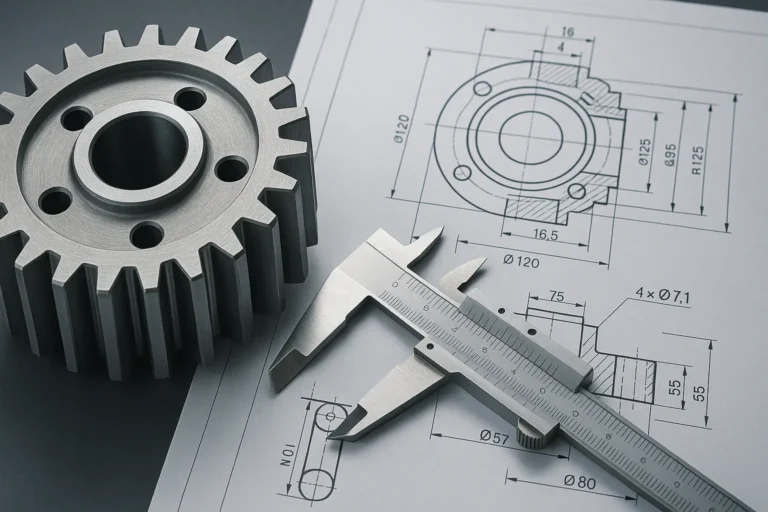
Machine design and manufacturing form the foundation of industrial engineering, transforming creative ideas into functional systems and products. This process...
Devamını Oku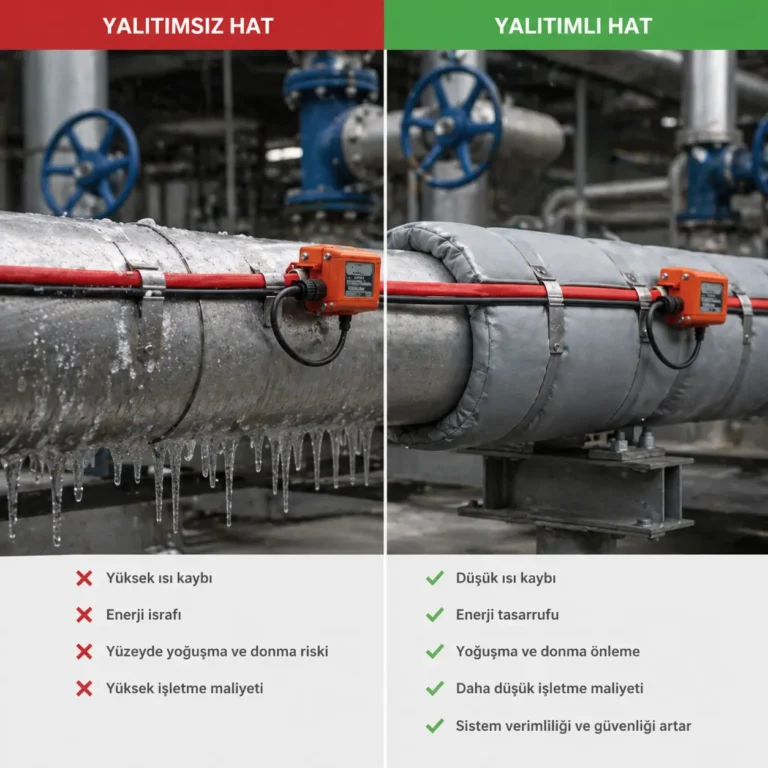
In industrial environments where temperature control is essential, heat tracing systems play a crucial role in maintaining process stability and...
Devamını Oku