



What is Cathodic Protection? In Which Areas Is It Used?
Cathodic protection is an advanced electrochemical method used to prevent corrosion in metal structures. Corrosion occurs when metal surfaces react...
Devamını Oku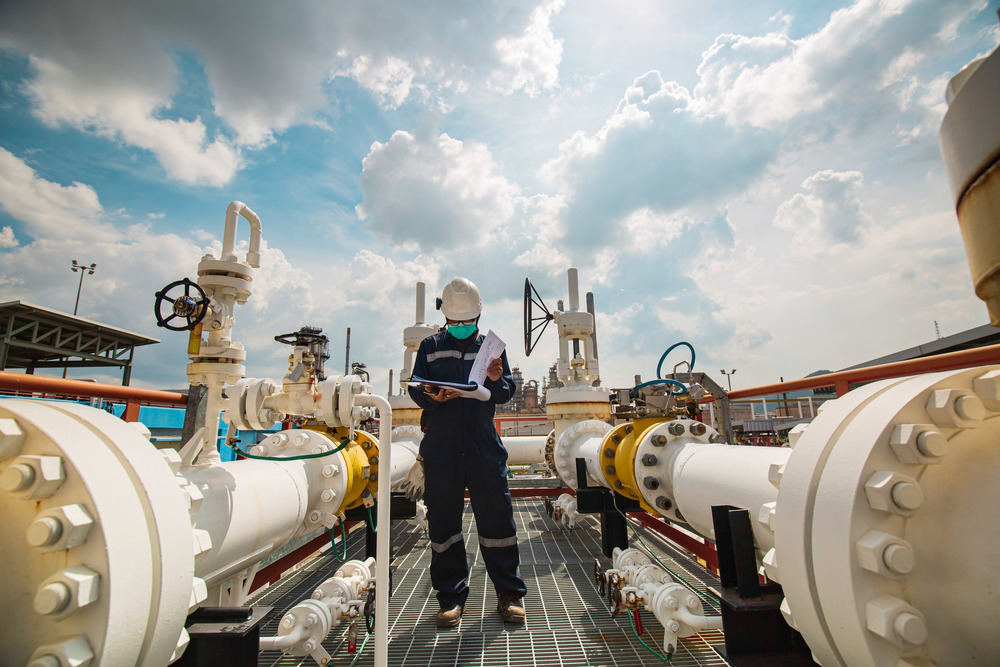
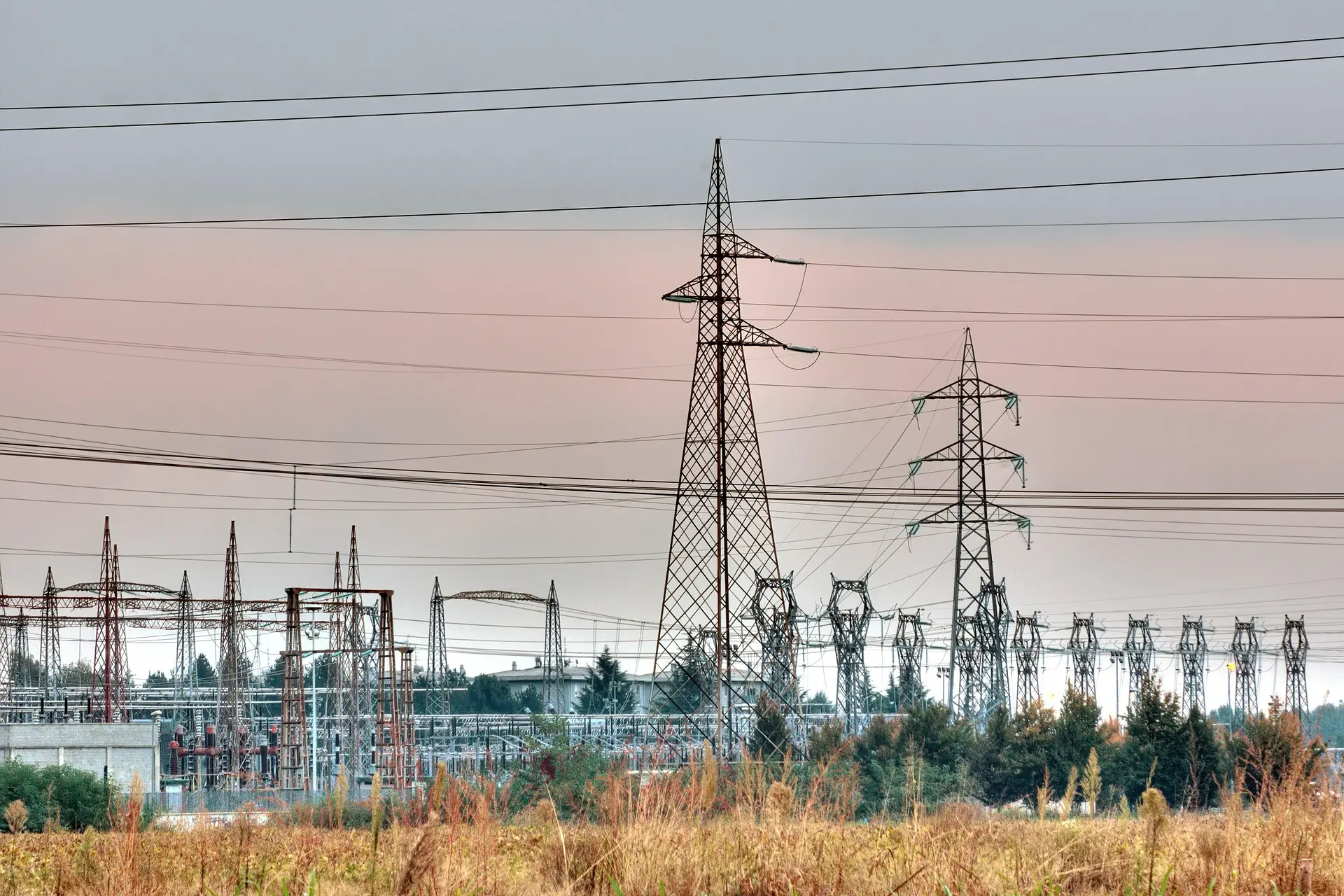
Electricity distribution networks are complex infrastructures responsible for delivering power from transmission systems to end users such as homes, industries, and commercial facilities. As energy demand grows and electrical networks become more interconnected, managing these systems efficiently has become increasingly important. Modern distribution networks rely on digital monitoring, automation, and advanced analytics to ensure reliability and operational efficiency. In this context, SCADA and DMS systems play a central role in enabling utilities to monitor, control, and optimize electricity distribution processes.
SCADA (Supervisory Control and Data Acquisition) systems provide real-time monitoring and control of electrical infrastructure across large geographic areas. These systems collect operational data from substations, switches, sensors, and field devices, allowing operators to observe network conditions instantly. Through advanced SCADA software, distribution operators can monitor voltage levels, load conditions, equipment status, and alarm notifications from centralized control rooms. This visibility significantly improves the ability to detect abnormalities and respond quickly to operational challenges.
Distribution Management Systems (DMS), on the other hand, focus on advanced analytics and optimization of electrical distribution networks. While SCADA collects and visualizes data, DMS processes this information to support decision-making. Functions such as load flow analysis, outage management, network reconfiguration, and voltage optimization are commonly performed within DMS platforms. By analyzing network behavior and performance, these systems help operators manage distribution networks more intelligently and efficiently.
As of 2026, the transformation of the energy sector toward digitalization and smart grids has increased the importance of SCADA and DMS technologies. The integration of renewable energy sources, distributed generation, and energy storage systems introduces new complexities to electricity distribution networks. SCADA and DMS platforms help utilities adapt to these challenges by enabling real-time visibility, predictive analysis, and automated control of the grid.
For energy utilities and infrastructure providers, implementing integrated SCADA and DMS solutions is no longer just a technological upgrade—it is a strategic necessity. These systems improve grid reliability, reduce outage durations, enhance operational efficiency, and support the transition to smarter and more sustainable energy systems.
Electricity distribution networks are responsible for delivering electrical energy from transmission systems to end users such as residential buildings, commercial facilities, and industrial plants. After electricity is generated at power plants, it is transmitted through high-voltage transmission lines to regional substations. At these substations, voltage levels are reduced so electricity can be safely distributed through medium-voltage distribution lines. From there, power travels through local transformers that further reduce voltage levels before electricity reaches homes and businesses. This hierarchical system ensures that electricity can be transported efficiently over long distances while remaining safe and usable for consumers.
The infrastructure of an electricity distribution network consists of several key components including substations, transformers, circuit breakers, switches, distribution lines, and monitoring equipment. Substations play a critical role by controlling voltage levels and routing electricity through the network. Distribution lines carry electricity across cities and industrial zones, while transformers adjust voltage levels to match the requirements of different users. Protective equipment such as relays and circuit breakers help prevent damage by isolating faults or abnormal conditions within the network. These components work together to ensure that electricity is delivered reliably and continuously.
Modern electricity distribution networks are increasingly supported by automation and digital monitoring technologies. Utilities deploy sensors, communication devices, and advanced control systems to monitor network performance in real time. These technologies allow operators to track voltage levels, detect faults, and analyze load conditions across the grid. With the growing adoption of renewable energy sources and distributed generation systems, distribution networks are becoming more dynamic and complex. As a result, advanced monitoring and control solutions such as SCADA and DMS systems have become essential tools for maintaining stability, reliability, and operational efficiency in modern electricity distribution systems.
SCADA (Supervisory Control and Data Acquisition) systems are essential technologies used to monitor and control electrical infrastructure in modern distribution networks. These systems collect real-time operational data from substations, transformers, sensors, and field devices across the electricity grid. Through centralized monitoring platforms, operators can observe voltage levels, power flows, equipment conditions, and alarm signals in real time. This continuous visibility allows utilities to maintain stable grid operations and quickly identify abnormal conditions within the network. In large electricity distribution systems that cover wide geographic areas, SCADA technology enables centralized management without requiring constant physical inspection of field equipment.
One of the main capabilities of SCADA systems is remote control and automation of network components. Operators in control centers can remotely open or close circuit breakers, adjust system parameters, and isolate faulty sections of the network when needed. This ability significantly improves response time during grid disturbances or outages. Instead of dispatching field teams immediately, operators can analyze the situation and perform initial corrective actions remotely. As a result, electricity distribution companies can minimize downtime and maintain service continuity for a larger number of customers.
Another critical advantage of SCADA systems is their ability to support data-driven decision-making in network operations. The continuous data streams collected from field devices are stored and analyzed to detect patterns, predict equipment failures, and improve maintenance planning. In 2026, many utilities are integrating SCADA platforms with advanced analytics and automation tools to improve operational efficiency and reliability. By combining real-time monitoring with predictive analysis, SCADA systems help utilities move from reactive maintenance to proactive grid management, ensuring more resilient and efficient electricity distribution networks.
Distribution Management Systems (DMS) are advanced software platforms designed to monitor, analyze, and optimize the performance of electricity distribution networks. Unlike basic monitoring systems, DMS solutions provide utilities with powerful analytical tools that support decision-making and operational planning. These systems use real-time and historical data from the electrical grid to evaluate network performance, identify inefficiencies, and recommend corrective actions. In modern electricity distribution infrastructures, DMS platforms are often integrated with SCADA systems to enhance grid visibility and control. This integration allows operators to move beyond simple monitoring and perform deeper network analysis and optimization.
One of the key functions of a DMS platform is to analyze the flow of electricity within the distribution network. Through load flow analysis and network modeling, operators can understand how electricity moves through feeders, transformers, and substations. This capability allows utilities to balance loads more effectively and prevent overload conditions that may lead to outages or equipment damage. DMS systems also support voltage management and network reconfiguration, enabling operators to adjust the grid structure when demand patterns change. With increasing energy consumption and the integration of renewable generation sources, these optimization capabilities have become essential for modern grid operations.
DMS platforms also play a critical role in outage management and reliability improvement. When faults occur within the distribution network, the system can analyze the available data and help operators quickly identify the affected area. By providing detailed network visualization and analytical tools, DMS systems support faster decision-making during emergency situations. In 2026, the expansion of distributed energy resources such as solar panels, energy storage systems, and electric vehicle infrastructure has made network management more complex than ever before. DMS technology helps utilities address these challenges by providing advanced forecasting, automation, and optimization tools that support resilient and efficient electricity distribution systems.
SCADA and DMS systems are both essential technologies used in modern electricity distribution networks, but they serve different purposes within grid management. SCADA systems primarily focus on real-time monitoring and control of electrical infrastructure. They collect operational data from field devices such as sensors, circuit breakers, and remote terminal units (RTUs) installed across substations and distribution lines. This data is transmitted to centralized control centers where operators can observe network conditions and perform remote control actions. SCADA platforms provide visibility into voltage levels, equipment status, power flows, and alarms, enabling operators to respond quickly to abnormal conditions within the grid.
DMS systems, in contrast, focus on advanced analytics, optimization, and decision support for electricity distribution operations. While SCADA provides raw operational data, DMS processes and analyzes this data to improve the performance and reliability of the distribution network. Functions such as load flow analysis, voltage optimization, outage management, and feeder reconfiguration are typically handled within DMS platforms. These tools allow utilities to simulate different operating scenarios and determine the most efficient way to manage energy distribution across the network. As electricity networks become more complex with distributed energy resources and fluctuating demand, DMS systems provide critical analytical capabilities that support more strategic grid management.
Another key difference between the two systems lies in their operational focus. SCADA systems are designed for real-time operational control, enabling operators to monitor and interact with equipment directly. DMS systems operate at a higher analytical level, using network models and algorithms to optimize the overall performance of the distribution grid. In practice, these systems are often integrated to create a comprehensive network management solution. SCADA gathers and transmits operational data, while DMS analyzes that data to improve efficiency, reliability, and long-term planning. Together, they form the technological foundation for modern digital energy management and smart grid development.
SCADA and DMS systems are designed to complement each other in modern electricity distribution networks. While SCADA focuses on collecting real-time operational data and enabling direct control of field devices, DMS uses that data to perform advanced analysis and optimization of the distribution grid. The integration of these systems creates a comprehensive operational environment where utilities can both monitor and improve the performance of their networks. Through continuous data exchange, SCADA provides the real-time visibility needed for immediate operational control, while DMS transforms that data into actionable insights for strategic decision-making.
In an integrated environment, SCADA systems gather information from substations, sensors, switches, and other field equipment across the distribution network. This data includes measurements such as voltage levels, current flows, equipment status, and alarms. The information is transmitted to the control center where operators can visualize network conditions in real time. DMS platforms then use this data to perform advanced grid analysis, including load flow simulations, voltage optimization, and outage management. This collaborative operation allows utilities to respond to operational events more effectively while also improving long-term network performance.
By combining real-time monitoring with advanced analytical capabilities, SCADA and DMS systems enable utilities to operate smarter and more resilient electricity networks. Operators gain both immediate situational awareness and deeper analytical insights into grid behavior. This integrated approach has become especially important as electricity networks evolve with distributed energy resources, electric vehicle charging infrastructure, and renewable generation. As of 2026, utilities increasingly rely on integrated SCADA-DMS architectures to manage the complexity of modern distribution systems and ensure reliable energy delivery.
The integration of data collection and analysis processes is one of the key benefits of combining SCADA and DMS systems. SCADA platforms continuously gather operational data from field devices such as sensors, remote terminal units, and intelligent electronic devices installed throughout the grid. This data provides real-time insight into equipment conditions and network performance. When integrated with DMS platforms, the collected data is processed using advanced analytical tools that allow utilities to understand the behavior of the network more comprehensively.
Through this integration, operators can perform complex analyses such as load flow calculations, voltage stability assessments, and fault location identification. Instead of relying solely on raw operational data, utilities can interpret system conditions through detailed network models and simulations. This capability enables proactive decision-making and improves the efficiency of grid management.
Control centers are the operational hubs where SCADA and DMS systems work together to manage electricity distribution networks. Operators in these centers monitor the entire grid through advanced visualization interfaces that display real-time data from thousands of field devices. SCADA systems provide the control functionality that allows operators to interact with network equipment, while DMS platforms provide analytical tools that support operational planning and optimization.
Through this combined environment, control center teams can quickly detect faults, analyze network conditions, and implement corrective actions. DMS applications assist operators by recommending optimal switching actions or network reconfiguration strategies to maintain stability. As electricity networks become more complex due to distributed energy resources and dynamic load patterns, integrated control center operations supported by SCADA and DMS systems are becoming increasingly important for maintaining reliable grid performance.
The integration of SCADA and DMS systems provides significant advantages for electricity distribution utilities seeking to improve network reliability, operational efficiency, and service quality. As distribution networks grow more complex with the addition of renewable energy sources, distributed generation, and increased energy demand, utilities require advanced digital tools to manage grid operations effectively. SCADA systems provide real-time monitoring and control of field equipment, while DMS platforms analyze network data to optimize performance and support operational decision-making. Together, these systems enable utilities to operate distribution networks with greater visibility and precision.
One major advantage of integrated SCADA-DMS solutions is the ability to improve operational efficiency across the grid. Operators gain real-time awareness of network conditions and can respond quickly to abnormal events such as voltage fluctuations or equipment failures. Automated control capabilities also reduce the need for manual intervention in many routine operations. As a result, utilities can streamline maintenance planning, improve workforce productivity, and reduce operational costs. In addition, continuous monitoring allows utilities to identify inefficiencies within the network and implement corrective actions before they escalate into larger problems.
Another important benefit is improved reliability and resilience of electricity distribution systems. By combining real-time monitoring with advanced analytics, SCADA and DMS platforms enable faster fault detection and more effective outage management. Operators can isolate faults, reconfigure the network, and restore service to unaffected areas more quickly. In 2026, as energy infrastructure becomes increasingly digital and interconnected, utilities rely on these systems not only to manage daily operations but also to strengthen grid resilience against disruptions and evolving energy demands.
Fault detection is one of the most critical functions of SCADA and DMS systems in electricity distribution networks. When a fault occurs, sensors and intelligent devices within the network immediately transmit data to the control center through SCADA platforms. Operators can quickly identify abnormal conditions such as sudden voltage drops or circuit interruptions. With this real-time visibility, utilities can determine the location of the fault and initiate corrective actions much faster than traditional manual processes.
DMS systems further enhance fault management by analyzing network topology and recommending optimal switching actions to isolate the affected section of the grid. This capability allows utilities to restore power to unaffected areas quickly while repair teams address the fault. By reducing the time required to detect and respond to network disruptions, SCADA and DMS systems significantly minimize outage duration and improve service reliability.
Energy losses within distribution networks can occur due to technical inefficiencies, overloaded equipment, or other operational challenges. SCADA and DMS systems help utilities monitor power flows and identify areas where losses may be occurring. Through continuous data analysis, operators can evaluate network performance and detect abnormal patterns that may indicate inefficiencies or equipment problems.
DMS platforms support detailed load flow analysis and network optimization strategies that help utilities balance loads across the grid. By redistributing power flows and improving voltage regulation, utilities can reduce energy losses and increase operational efficiency. These capabilities are particularly important in modern grids where electricity demand patterns fluctuate due to renewable energy generation and changing consumption behavior.
Grid security and sustainability are becoming increasingly important priorities for electricity distribution operators. SCADA and DMS systems provide the technological foundation needed to maintain secure and stable grid operations. Continuous monitoring of network equipment allows operators to detect potential risks such as equipment overload, abnormal voltage levels, or system instability before they cause significant disruptions.
In addition, advanced analytics provided by DMS platforms help utilities operate the grid in a more sustainable and efficient manner. By optimizing power flows and integrating distributed energy resources more effectively, utilities can support the transition toward cleaner and more resilient energy systems. As smart grid initiatives continue to expand globally, SCADA and DMS technologies play a key role in ensuring reliable, secure, and sustainable electricity distribution.
The evolution of modern energy infrastructure has led to the development of smart grids, which rely on advanced digital technologies to improve the efficiency, reliability, and flexibility of electricity networks. Smart grids integrate communication systems, automation technologies, and data analytics to enable real-time monitoring and intelligent control of energy flows. Within this environment, SCADA and DMS systems play a fundamental role by providing the operational visibility and analytical capabilities needed to manage increasingly complex distribution networks. These systems allow utilities to collect data from thousands of grid components and transform that information into actionable insights for better grid management.
One of the main reasons SCADA and DMS systems are essential in smart grids is their ability to support the integration of distributed energy resources. Renewable energy technologies such as solar panels, wind turbines, and battery storage systems are increasingly connected to distribution networks rather than centralized transmission systems. This shift creates new challenges in maintaining grid stability and balancing supply with demand. SCADA systems provide real-time monitoring of distributed assets, while DMS platforms analyze network conditions and optimize power flows to maintain stable operations. This coordinated approach allows utilities to effectively manage variable energy generation and maintain reliable service.
In 2026, the continued expansion of electric vehicles, decentralized energy production, and digital infrastructure has made smart grid technologies more important than ever. SCADA and DMS systems provide utilities with the tools needed to respond to these evolving demands by enabling predictive analytics, automated control strategies, and advanced network optimization. Through improved situational awareness and intelligent decision support, these systems help utilities operate more resilient and sustainable electricity distribution networks. As the global energy sector continues to transition toward smarter and cleaner power systems, the integration of SCADA and DMS technologies remains a critical component of modern grid management.
Cathodic protection is an advanced electrochemical method used to prevent corrosion in metal structures. Corrosion occurs when metal surfaces react...
Devamını Oku
In industrial environments where temperature control is critical, maintaining consistent heat along pipelines, tanks, and process equipment is essential for...
Devamını Oku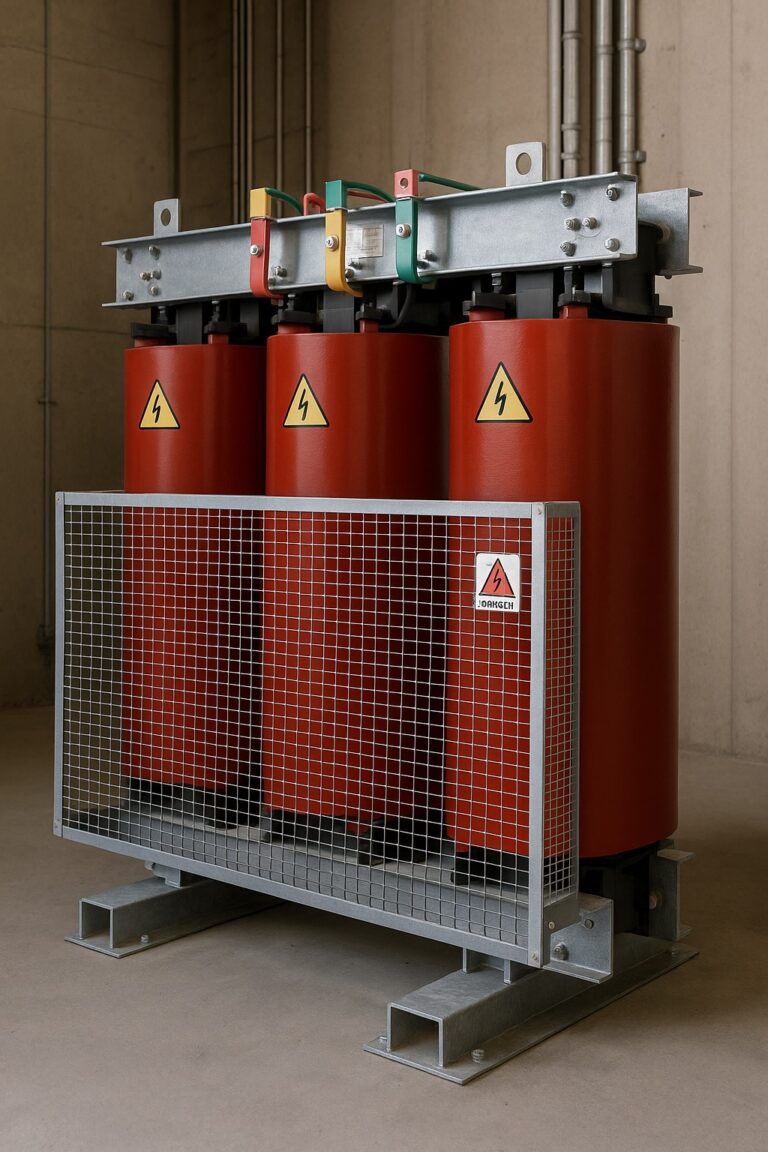
A dry-type transformer is a type of electrical transformer that operates without the use of liquid insulation, making it a...
Devamını Oku