



What is Automation? What Does It Do?
In the age of digital transformation, automation has become an essential component across industries. From manufacturing to healthcare, logistics to...
Devamını Oku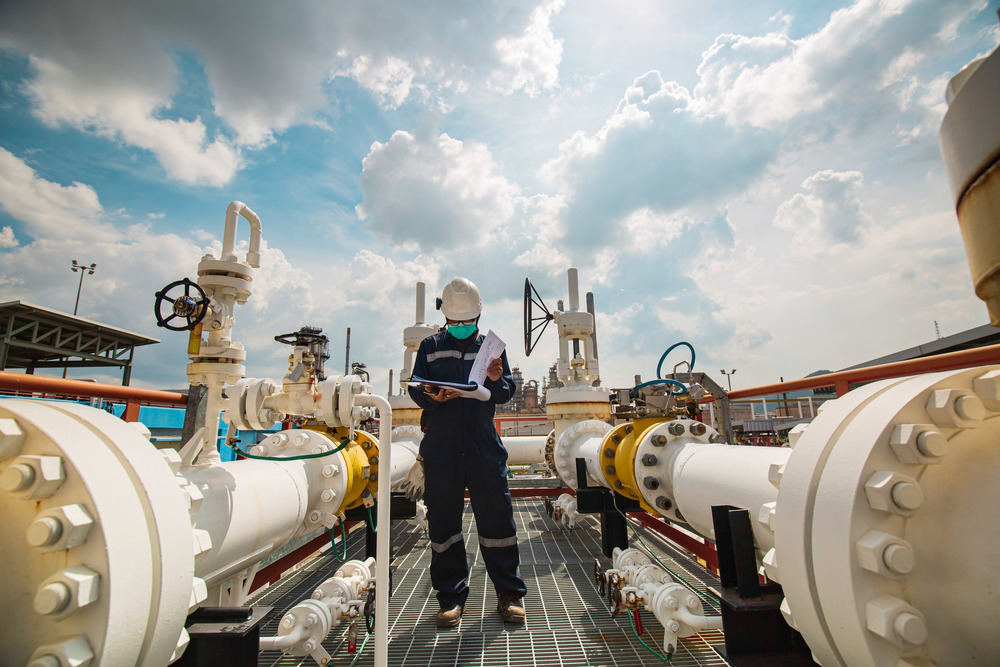

The global energy sector is rapidly evolving as digital technologies transform how power systems are monitored and managed. Power plants, transmission networks, and renewable energy facilities are becoming more complex due to increasing demand, distributed energy resources, and smart grid integration. To manage this complexity, energy companies rely on advanced monitoring and control technologies that allow operators to track system performance and respond quickly to operational changes. Energy SCADA systems play a crucial role in enabling this digital transformation by providing centralized visibility and control across large-scale energy infrastructures.
Energy SCADA (Supervisory Control and Data Acquisition) systems collect operational data from equipment across energy facilities and transmit it to centralized control centers. Sensors, PLCs, and remote terminal units gather information such as voltage levels, energy output, temperature, and system status. These data streams allow operators to monitor operations in real time, detect anomalies, and optimize performance. By providing a unified operational view, SCADA systems help ensure the stability and reliability of energy networks.
Modern SCADA software platforms do far more than simple monitoring. They integrate advanced analytics, alarm management, and automated control mechanisms that help operators make faster and more informed decisions. Through graphical dashboards and data visualization tools, energy operators can quickly identify performance trends and potential system risks. This capability significantly improves operational awareness, especially in large-scale energy infrastructures that span multiple geographic locations.
As of 2026, the role of SCADA technology has expanded with the integration of IoT sensors, cloud-based data platforms, and predictive analytics tools. These innovations allow energy companies to move beyond reactive system monitoring and toward predictive operational strategies. Instead of responding to failures after they occur, operators can detect potential issues early and implement proactive maintenance plans. This shift toward intelligent energy management helps improve reliability, reduce downtime, and optimize energy production.
Energy SCADA systems also support the growing integration of renewable energy sources such as solar and wind power. Because renewable energy generation is influenced by environmental conditions, real-time monitoring is essential for maintaining grid stability. SCADA platforms help operators balance energy supply and demand while ensuring smooth integration with traditional power infrastructure.
Engineering companies that specialize in automation and industrial control systems play an important role in delivering these advanced monitoring solutions. By combining electrical engineering expertise, automation technologies, and digital monitoring systems, companies like Adatech contribute to the modernization of energy infrastructures and support the transition toward smarter energy management.
With the ability to provide real-time visibility, centralized control, and data-driven operational insights, energy SCADA systems have become an essential component of modern power infrastructure. They enable energy operators to maintain system reliability, improve efficiency, and manage increasingly complex energy networks with greater confidence.
Energy systems operate across large and complex infrastructures that include power plants, substations, transmission lines, and distribution networks. Managing these interconnected systems requires continuous monitoring, fast decision-making, and precise operational control. SCADA technology is widely used in energy systems because it enables centralized monitoring and management of these distributed assets. By collecting real-time data from field devices and transmitting it to control centers, SCADA systems provide operators with complete visibility over energy production and distribution processes.
One of the main reasons SCADA technology is used in energy infrastructure is to ensure operational reliability. Energy networks must maintain a stable balance between electricity generation and consumption at all times. Through centralized monitoring platforms, operators can quickly detect fluctuations in voltage levels, load distribution, or equipment performance. Advanced SCADA software platforms support alarm management, automated responses, and real-time data visualization, allowing energy operators to respond rapidly to abnormal conditions and prevent system failures.
Another key advantage of SCADA technology is its ability to improve operational efficiency in energy facilities. By continuously collecting performance data from turbines, transformers, generators, and distribution equipment, operators gain valuable insights into system performance. These insights allow energy companies to optimize production processes, identify inefficiencies, and implement predictive maintenance strategies. As a result, energy facilities can reduce operational costs while maintaining high levels of system reliability.
SCADA systems also support remote monitoring and automation across geographically distributed energy infrastructure. Many energy assets are located in remote or difficult-to-access areas, such as wind farms, solar plants, and high-voltage transmission lines. SCADA technology allows operators to manage these assets from centralized control rooms without requiring physical intervention. This capability significantly improves response times during operational incidents and ensures more efficient management of energy infrastructure.
Energy SCADA systems operate through a layered architecture that connects field equipment, communication networks, and centralized control platforms. These systems continuously collect operational data from various components within energy facilities and transmit that information to control centers for monitoring and analysis. The architecture typically includes sensors, programmable logic controllers (PLCs), remote terminal units (RTUs), communication protocols, and centralized monitoring software. Together, these components enable operators to maintain visibility and control over complex energy infrastructures.
At the field level, sensors and measurement devices collect real-time operational data such as voltage, current, temperature, pressure, and equipment status. These signals are processed by PLCs or RTUs installed near energy equipment like turbines, transformers, and switchgear. The collected information is then transmitted through secure communication networks to centralized control systems. Modern SCADA software platforms consolidate these incoming data streams into unified dashboards where operators can monitor system performance and respond to operational changes.
Communication infrastructure plays a critical role in ensuring that SCADA systems function reliably. Data from field devices is transmitted using industrial communication protocols such as Modbus, DNP3, IEC 60870-5-104, and IEC 61850. These protocols enable reliable and standardized communication between field equipment and control centers. In large-scale energy networks, communication channels may include fiber optic networks, industrial Ethernet, wireless networks, or satellite connections depending on the location and infrastructure requirements.
Once the data reaches the control center, it is processed and visualized through graphical user interfaces that display system status, alarms, and performance indicators. Operators can monitor energy production levels, grid load conditions, equipment health, and operational trends in real time. In addition to monitoring, SCADA systems also allow operators to send control commands back to field equipment. This means operators can remotely adjust equipment settings, start or stop machinery, or open and close circuit breakers from the control room.
Overall, SCADA systems act as the digital backbone of modern energy management. They connect field operations with centralized intelligence, enabling energy operators to monitor, analyze, and control complex energy networks efficiently.
Field data collection forms the foundation of every energy SCADA system. In energy facilities, numerous sensors and measurement devices are installed across critical infrastructure such as generators, transformers, substations, and transmission lines. These sensors continuously measure operational parameters including voltage, current, frequency, temperature, pressure, and equipment status. By capturing these data points in real time, energy operators gain a detailed understanding of system performance and can detect operational changes immediately.
The collected data is transmitted through industrial control devices such as programmable logic controllers (PLCs) and remote terminal units (RTUs). These devices act as intermediaries between field equipment and centralized monitoring platforms. They process raw sensor data and transmit it through secure communication networks to the control center. Modern SCADA software platforms integrate this data into unified monitoring dashboards, enabling operators to visualize field conditions and system performance across the entire energy infrastructure.
Sensor infrastructure also plays a critical role in improving system safety and reliability. When abnormal conditions occur—such as overheating transformers, voltage fluctuations, or abnormal equipment vibrations—sensors immediately transmit alerts to the SCADA system. These alerts trigger alarms and notifications within the control center, allowing operators to quickly identify potential problems and initiate corrective actions before failures occur.
Control centers are the operational hubs where all field data collected from energy infrastructure is analyzed and managed. These centers receive continuous data streams from sensors, PLCs, and RTUs installed across power plants, substations, and transmission networks. Operators use advanced visualization dashboards to monitor system performance, track operational parameters, and identify any abnormalities in real time. This centralized visibility allows energy providers to maintain control over large and geographically distributed infrastructures.
Within the control center, modern SCADA software transforms raw operational data into meaningful insights through advanced analytics and visualization tools. Operators can monitor energy production levels, track grid load variations, and evaluate equipment performance through dynamic graphs and real-time dashboards. Alarm management systems also play an important role by immediately notifying operators when predefined thresholds are exceeded, enabling rapid response to potential operational risks.
Operational management through SCADA systems also supports strategic decision-making. Historical data and performance reports allow engineers and operators to analyze long-term system trends, optimize energy generation schedules, and plan maintenance activities more effectively. By combining real-time monitoring with historical analytics, control centers can maintain stable energy operations while improving overall system efficiency.
Energy facilities rely on complex infrastructure that includes generation equipment, substations, transmission lines, and distribution systems. Managing these interconnected components requires advanced monitoring and control technologies that provide real-time operational visibility. SCADA systems play a central role in this environment by enabling operators to monitor equipment performance, manage energy flows, and maintain system stability from centralized control centers. Through continuous data acquisition and automated control mechanisms, SCADA platforms help ensure reliable and efficient energy operations.
In modern energy facilities, SCADA software integrates data from a wide range of equipment and monitoring devices into a single operational platform. This integration allows engineers and operators to analyze system performance, detect irregularities, and respond quickly to operational issues. By consolidating information from multiple energy assets, SCADA systems provide a comprehensive overview of the entire energy infrastructure, enabling better coordination across generation, transmission, and distribution processes.
Another important application of SCADA systems is supporting automation in energy operations. Automated control features allow operators to regulate equipment behavior based on predefined conditions. For example, SCADA platforms can automatically adjust generator output, manage load distribution, or activate safety mechanisms when abnormal conditions are detected. This automation reduces the risk of human error while improving the speed and accuracy of operational responses.
SCADA systems also support long-term operational planning in energy facilities. By collecting and storing historical performance data, operators can analyze production trends, equipment performance, and system reliability over time. These insights help organizations develop more effective maintenance schedules, optimize energy production, and reduce operational costs. Historical analytics also assist in identifying inefficiencies that may otherwise remain unnoticed in complex energy infrastructures.
Power generation plants are among the most critical components of energy infrastructure, as they are responsible for producing electricity that supports industrial, commercial, and residential consumption. These facilities include a wide range of equipment such as turbines, generators, boilers, cooling systems, and electrical control units. Efficient management of these systems requires continuous monitoring and rapid operational decision-making. SCADA systems enable centralized monitoring of these complex processes, allowing operators to supervise generation activities from a single control platform.
In modern power plants, SCADA software collects real-time data from sensors and control devices installed throughout the facility. This data includes parameters such as turbine speed, generator output, temperature levels, fuel consumption, and system load conditions. By consolidating these data streams into intuitive dashboards, operators can closely track production performance and detect any deviations from normal operating conditions. Early detection of abnormalities helps prevent equipment damage and reduces the risk of unplanned shutdowns.
SCADA platforms also allow operators to remotely control key generation equipment. Through the system interface, operators can start or stop turbines, regulate generator output, and adjust operational parameters based on energy demand. This capability enables power plants to quickly adapt to changes in electricity consumption while maintaining system stability. Automated control mechanisms further enhance operational efficiency by adjusting equipment settings according to predefined thresholds.
Another important benefit of SCADA systems in power plants is improved maintenance planning. Continuous monitoring of equipment performance allows engineers to identify early signs of wear or inefficiency. By analyzing historical performance data, maintenance teams can implement predictive maintenance strategies that prevent unexpected failures and extend the lifespan of critical components.
Power transmission and distribution networks are responsible for delivering electricity from generation facilities to end users across vast geographic regions. These networks consist of substations, transformers, circuit breakers, transmission lines, and distribution equipment that must operate in coordination to maintain grid stability. Because of the scale and complexity of these systems, continuous monitoring is essential to ensure reliable electricity delivery. SCADA systems provide operators with real-time visibility into network performance, enabling them to monitor voltage levels, load conditions, and equipment status across the entire grid.
Within transmission and distribution networks, SCADA software gathers operational data from substations and remote monitoring devices installed along transmission lines. This information is transmitted to centralized control centers where operators can analyze grid conditions and quickly detect irregularities such as voltage fluctuations, equipment overloads, or line faults. Real-time alerts and alarm systems allow operators to respond immediately, helping to prevent widespread outages and maintain grid stability.
SCADA platforms also enable remote control of critical network equipment. Operators can remotely open or close circuit breakers, adjust transformer settings, and balance electrical loads across different network sections. This capability significantly improves response times during grid disturbances and reduces the need for manual field interventions. In large-scale transmission networks, remote control functions are essential for maintaining operational efficiency and ensuring rapid incident response.
Another important advantage of SCADA systems in transmission and distribution is improved load management. By continuously monitoring electricity demand across different regions, operators can redistribute power flows to maintain balance within the grid. This helps prevent overload conditions and supports stable energy delivery, especially during periods of peak demand.
Renewable energy plants have become an essential part of the modern energy landscape as countries continue transitioning toward cleaner and more sustainable power generation. Facilities such as solar farms, wind power plants, hydroelectric stations, and biomass plants generate electricity from natural resources that are often variable and dependent on environmental conditions. Because energy production in these systems can fluctuate based on weather patterns and environmental factors, continuous monitoring and operational control are crucial. SCADA systems provide the technological infrastructure required to monitor renewable energy assets and maintain stable power generation.
In renewable facilities, SCADA software collects operational data from devices such as wind turbines, solar inverters, battery storage systems, and environmental sensors. These systems monitor key parameters including energy output, equipment performance, weather conditions, and system efficiency. Operators can view this information through centralized dashboards that provide a comprehensive overview of plant performance. Real-time monitoring allows operators to detect irregularities, identify underperforming equipment, and optimize overall system productivity.
SCADA systems also enable remote management of renewable energy plants, which are often located in remote areas such as deserts, offshore wind farms, or mountainous regions. Through centralized control platforms, operators can adjust turbine settings, monitor inverter performance, or manage battery storage systems without needing to physically access the site. This capability significantly reduces operational costs while improving the responsiveness of energy management teams.
Another important advantage of SCADA technology in renewable energy plants is production optimization. By analyzing environmental data such as wind speed, solar radiation, and temperature, SCADA platforms can help operators maximize energy output. Performance analytics allow engineers to identify patterns and optimize equipment operation based on changing environmental conditions, ensuring that renewable resources are used as efficiently as possible.
Energy infrastructure requires highly reliable and efficient operational management to ensure uninterrupted electricity supply. Power plants, substations, and distribution networks consist of numerous interconnected components that must operate in coordination at all times. SCADA systems provide a centralized monitoring and control environment that allows operators to supervise these complex systems effectively. By continuously collecting operational data and presenting it in a unified interface, SCADA platforms significantly enhance operational visibility across the entire energy network.
Modern energy operations rely heavily on data-driven decision-making, and SCADA software provides the digital foundation for this capability. These platforms gather large volumes of operational data from field equipment and convert them into actionable insights through visualization dashboards, alarms, and analytics tools. Operators can quickly detect performance changes, identify system bottlenecks, and respond to operational issues before they escalate into larger disruptions.
Another major operational advantage of SCADA systems is improved automation within energy facilities. Automated control mechanisms allow the system to respond instantly to predefined conditions without requiring manual intervention. For example, when system thresholds are exceeded, SCADA platforms can automatically trigger safety responses, adjust equipment settings, or redistribute loads across the network. This level of automation helps reduce operational risks and improves the overall stability of energy infrastructure.
SCADA systems also enhance maintenance management across energy facilities. Continuous monitoring of equipment performance enables operators to identify early signs of wear, inefficiency, or malfunction. Maintenance teams can use these insights to schedule predictive maintenance activities, minimizing unexpected equipment failures and reducing downtime. This proactive approach improves both operational reliability and asset lifespan.
Real-time performance monitoring is one of the most valuable capabilities provided by energy SCADA systems. Energy facilities operate continuously, and even small fluctuations in system performance can lead to inefficiencies or operational risks. SCADA platforms collect data from sensors, control devices, and monitoring equipment throughout the infrastructure, enabling operators to track operational parameters as they change. This constant flow of information allows operators to maintain full visibility of system conditions and respond quickly to any abnormal situations.
Through advanced dashboards and visualization tools, SCADA software presents operational data in a clear and accessible format. Operators can monitor key indicators such as energy production levels, voltage stability, equipment temperatures, and load distribution in real time. Graphs, trend charts, and automated alerts help operators quickly identify performance changes or unusual patterns within the system. This level of visibility significantly improves operational awareness and enables faster decision-making during critical situations.
Real-time monitoring also helps reduce the risk of equipment failures and system disruptions. When SCADA systems detect abnormal conditions—such as overheating equipment, sudden voltage drops, or unexpected load increases—alerts are immediately generated for control center operators. Early detection enables maintenance teams to intervene before minor issues escalate into major failures, helping maintain operational continuity across energy infrastructure.
Another advantage of real-time monitoring is its ability to support operational optimization. By continuously analyzing performance data, energy operators can identify inefficiencies and adjust system parameters to improve productivity. For example, operators can optimize turbine output, balance electrical loads, or adjust distribution flows based on current demand conditions. These adjustments help maintain stable energy production while improving overall system efficiency.
Energy infrastructure must operate continuously and reliably, as even small disruptions can lead to significant operational and economic impacts. One of the key advantages of SCADA systems is their ability to detect faults quickly and enable rapid response to system abnormalities. By continuously monitoring operational parameters such as voltage levels, equipment temperature, load conditions, and system status, SCADA platforms can identify irregular patterns that indicate potential faults within the energy network.
Modern SCADA software uses alarm management systems to immediately notify operators when predefined thresholds are exceeded. When abnormal conditions occur—such as equipment overheating, unexpected voltage drops, or sudden load imbalances—the system generates alerts in the control center interface. These alerts help operators quickly identify the source of the issue and initiate corrective actions before the problem escalates into a major system failure.
Rapid response capabilities are especially important in large-scale energy infrastructures where delays in intervention can lead to cascading outages. SCADA systems provide operators with detailed information about the location and nature of the fault, allowing them to isolate affected components and restore normal operation as quickly as possible. This targeted response helps minimize downtime and prevents disruptions from spreading across the network.
Another important benefit of SCADA-based fault detection is the ability to analyze historical event data. When faults occur, the system records operational parameters and system behavior leading up to the event. Engineers can later analyze these records to identify root causes and implement improvements that reduce the likelihood of similar incidents in the future. This continuous learning process strengthens the reliability of energy infrastructure.
Improving energy efficiency is a critical objective for modern energy infrastructure. Energy providers must continuously optimize production and distribution processes to reduce operational costs while maintaining reliable service. SCADA systems contribute to this goal by providing detailed insights into system performance and energy consumption patterns. By collecting operational data from across the network, operators can identify inefficiencies, monitor equipment utilization, and adjust operational strategies to improve overall system efficiency.
Advanced SCADA software platforms provide powerful analytics tools that help operators evaluate energy production and consumption trends. Through performance dashboards, trend analysis, and historical reporting, operators can identify areas where energy losses occur or where equipment is operating below optimal efficiency levels. These insights allow energy companies to implement targeted improvements that reduce energy waste and enhance productivity across the entire infrastructure.
Another important contribution of SCADA systems to energy efficiency is equipment optimization. Continuous monitoring allows operators to track the performance of turbines, generators, transformers, and other critical assets. When equipment performance begins to decline, operators can take corrective action or schedule maintenance before efficiency losses become significant. This proactive approach ensures that equipment operates within optimal performance ranges while reducing unnecessary energy consumption.
SCADA systems also support load balancing and energy distribution optimization. By monitoring real-time demand patterns across the grid, operators can redistribute energy flows and adjust generation output accordingly. This dynamic balancing helps prevent overload conditions and ensures that energy resources are used as efficiently as possible across the network.
Through intelligent monitoring, predictive insights, and optimized operational strategies, SCADA systems play a key role in helping energy providers achieve higher efficiency levels while supporting sustainable energy management practices.
Energy infrastructure often spans large geographic areas that include power plants, substations, transmission lines, and renewable energy facilities located far from centralized operational centers. Managing these distributed assets efficiently requires technologies that enable operators to monitor and control equipment remotely. SCADA systems provide the technological framework that allows energy operators to supervise infrastructure in real time without requiring constant physical presence at each facility.
Through centralized monitoring platforms, SCADA software collects operational data from field devices and transmits it to control centers where operators can observe system conditions continuously. Parameters such as voltage levels, equipment performance, energy production, and load distribution are displayed on monitoring dashboards. This real-time visibility allows operators to detect operational changes quickly and maintain stable energy delivery across the entire network.
Remote monitoring significantly improves operational efficiency by reducing the need for manual inspections and on-site interventions. Instead of sending technical teams to physically inspect equipment, operators can assess system conditions through digital monitoring platforms. When potential issues are detected, maintenance teams can be dispatched with precise information about the problem, reducing response times and improving maintenance planning.
In addition to monitoring capabilities, SCADA systems also allow remote control of critical infrastructure components. Operators can send commands from control centers to field equipment such as circuit breakers, transformers, and generators. For example, they can open or close breakers, adjust generation levels, or balance electrical loads across the grid. These remote control functions enable operators to stabilize the system quickly during disturbances or unexpected demand fluctuations.
Remote monitoring and control capabilities are particularly important in modern energy networks where distributed energy resources such as wind farms, solar plants, and energy storage systems are widely deployed. These facilities are often located in remote regions, making remote management essential for efficient operation. SCADA systems allow operators to integrate these assets into the broader energy network while maintaining real-time control over their performance.

In the age of digital transformation, automation has become an essential component across industries. From manufacturing to healthcare, logistics to...
Devamını Oku
Lightning is a natural phenomenon that poses serious risks to buildings, electrical systems, and human safety. A single lightning strike...
Devamını Oku
Industrial facilities rely on advanced automation technologies to monitor and control their operations efficiently. In this context, scada software plays...
Devamını Oku