



Energy Transmission and Distribution: Reliable and Efficient Solutions
In today’s modern world, the continuous and efficient flow of electricity is essential for both industrial operations and daily life....
Devamını Oku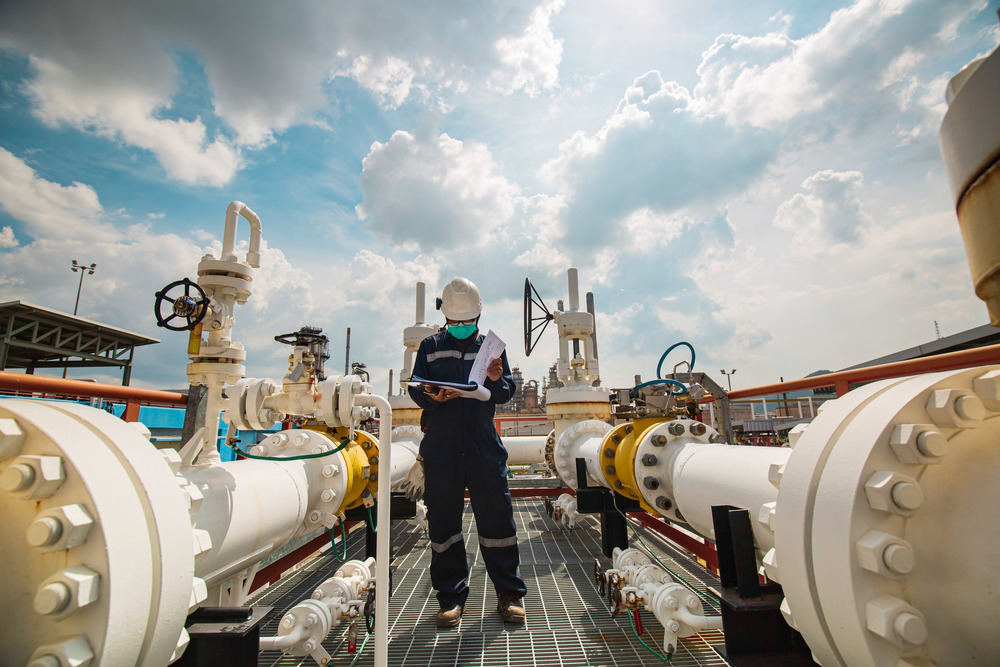

Remote monitoring and control technologies have become essential for managing modern infrastructure and industrial operations. Among these technologies, RTU-based SCADA systems play a crucial role in collecting data from remote field equipment and transmitting it to centralized control centers. These systems allow operators to monitor and control widely distributed assets such as power grids, pipelines, water facilities, and industrial plants from a single location.
An RTU (Remote Terminal Unit) is a field device designed to gather data from sensors, meters, and industrial equipment. The collected data is transmitted to a central SCADA system where it can be visualized, analyzed, and used to control remote operations. When integrated with modern scada software, RTU devices enable real-time monitoring, automation, and alarm management, which significantly improves operational efficiency and reliability across large infrastructures.
Today, RTU SCADA systems are widely used across critical sectors including energy, water management, oil and gas, and industrial manufacturing. These systems allow operators to detect faults early, optimize operations, and reduce downtime by continuously monitoring infrastructure performance. They are particularly valuable in environments where assets are spread across large geographic areas and manual monitoring would be inefficient or impractical.
With the rise of digital transformation and Industry 4.0 technologies, RTU SCADA systems have become even more advanced. Modern implementations support cloud connectivity, IoT integration, cybersecurity features, and advanced analytics. These capabilities transform SCADA systems from simple monitoring tools into intelligent platforms that support data-driven decision making.
In large infrastructure projects, RTU-based monitoring ensures that critical systems operate safely and efficiently. By collecting field data and enabling remote control capabilities, these systems help organizations maintain operational continuity and improve overall system reliability.
An RTU (Remote Terminal Unit) is an industrial control device used to collect data from field equipment and transmit it to a centralized monitoring system. In SCADA architectures, RTUs serve as the interface between field instruments and the control center. They gather information from sensors, meters, and actuators installed in the field and send this data to the SCADA server for visualization and analysis.
RTU devices are designed to operate in remote and often harsh environments such as substations, pipelines, water facilities, and industrial plants. These devices collect analog and digital signals from equipment and convert them into data that can be transmitted through communication networks. Operators can then monitor system conditions in real time through SCADA interfaces and respond quickly to abnormal situations.
Another key function of RTUs is enabling remote control. In addition to sending field data to the control center, RTUs can receive commands from the SCADA system and execute them on connected equipment. For example, operators can remotely open or close valves, start or stop pumps, or control electrical breakers. This capability significantly improves response time and reduces the need for on-site intervention.
Modern RTU devices support multiple industrial communication protocols such as Modbus, DNP3, and IEC standards. These protocols allow RTUs to communicate with various automation devices and systems within the infrastructure. As a result, organizations can integrate equipment from different manufacturers into a single monitoring platform.
In today’s digital infrastructure environments, RTUs are often combined with advanced monitoring platforms and scada software to create intelligent automation systems. These integrated systems provide real-time monitoring, alarm management, data logging, and remote operational control, helping organizations manage complex infrastructures more efficiently.
RTU devices communicate with SCADA systems through industrial communication networks. These networks can include fiber optic cables, Ethernet connections, radio links, cellular networks, or satellite communication depending on the infrastructure environment. The RTU collects data from field devices and transmits it to the central SCADA server through these communication channels.
Once the data reaches the SCADA system, it is processed and displayed on operator interfaces where engineers can monitor system performance. Operators can also send control commands back to the RTU devices, enabling remote operation of field equipment. This bidirectional communication allows critical infrastructure to be monitored and controlled efficiently from centralized control rooms.
RTU-based SCADA systems are designed to monitor and control distributed infrastructure efficiently. One of their most important features is real-time data acquisition. RTU devices continuously collect operational data from sensors and field equipment, allowing operators to monitor system performance instantly. This capability is critical for infrastructures such as power networks, water systems, and industrial facilities where continuous monitoring is required.
Another key feature is remote control capability. Through centralized monitoring platforms, operators can send commands from the control center to field equipment via RTUs. This allows remote operation of pumps, valves, switches, and other critical devices without requiring physical presence at the site. Modern scada software platforms provide user-friendly interfaces that make these remote operations more efficient and secure.
Reliability is also a fundamental characteristic of RTU-based SCADA systems. RTU devices are built to operate in harsh environmental conditions such as extreme temperatures, electrical noise, or remote outdoor locations. Additionally, communication networks often include redundancy mechanisms to ensure uninterrupted data transmission between field equipment and control centers.
Another important feature is interoperability. RTU systems support multiple industrial communication protocols such as Modbus, DNP3, and IEC standards. This enables integration with equipment from different manufacturers and allows organizations to manage diverse automation components within a single SCADA platform.
Finally, RTU SCADA systems provide advanced alarm management and data logging capabilities. The system automatically detects abnormal conditions and notifies operators through alarms or alerts. Historical data collected by RTUs can also be analyzed to improve operational efficiency, optimize maintenance planning, and support long-term infrastructure management strategies.
Electrical power systems are spread across large geographical areas and require continuous monitoring to ensure stable and reliable energy delivery. RTU-based SCADA systems play a critical role in monitoring electrical infrastructure such as substations, transformers, and distribution lines. RTU devices collect operational data including voltage, current, and power measurements from field equipment and transmit this information to a centralized control center.
With the help of centralized monitoring platforms, operators can observe the real-time status of electrical networks and quickly identify potential faults or abnormal operating conditions. When integrated with modern scada software, these systems allow utilities to visualize energy flow, monitor equipment performance, and respond quickly to power disturbances.
Another important advantage of RTU SCADA systems in energy infrastructure is remote control capability. Operators can control breakers, switches, and other electrical devices directly from the control center. This reduces the need for manual intervention in remote locations and significantly improves response time during system faults or outages.
In addition, RTU-based monitoring supports the development of smart grid technologies. By continuously collecting operational data, utilities can optimize power distribution, improve grid reliability, and reduce energy losses. As energy systems become more digital and interconnected, RTU SCADA systems are becoming essential tools for modern energy management.
Electrical substations are critical components of power distribution networks, responsible for voltage transformation and energy routing. RTU devices installed at substations collect operational data such as voltage levels, transformer status, and breaker positions. This data is transmitted to the central SCADA system where operators can monitor substation performance in real time.
Remote monitoring improves the reliability of power infrastructure by enabling early detection of equipment failures or abnormal conditions. Operators can analyze substation performance and take preventive actions before small issues develop into major outages.
Energy transmission and distribution lines extend across long distances and require continuous supervision to maintain stable power flow. RTU devices installed along these lines collect data related to current flow, line status, and system conditions. This information helps operators maintain balance across the electrical grid.
Through SCADA control interfaces, engineers can remotely operate switches and circuit breakers to isolate faults or reroute power. This capability allows energy providers to restore service more quickly and minimize the impact of outages on consumers.
Water and wastewater infrastructure requires continuous monitoring to ensure reliable distribution and safe treatment processes. RTU-based SCADA systems are widely used in water management networks to collect operational data from reservoirs, pumping stations, pipelines, and treatment facilities. RTU devices gather information such as water levels, pressure values, and flow rates and transmit this data to centralized control centers for monitoring and analysis.
With centralized monitoring, operators can supervise water distribution systems in real time and quickly detect abnormalities such as pressure drops or equipment failures. Integrated scada software platforms allow operators to visualize network performance, manage alarms, and maintain system stability. This capability is particularly important in large municipal water networks where manual monitoring would be inefficient.
RTU SCADA systems also support remote control of pumps, valves, and other infrastructure components. Operators can adjust pumping schedules, regulate water flow, or activate backup systems directly from control rooms. This level of automation helps maintain balanced water distribution while reducing operational costs.
Another major advantage is improved resource management. By continuously collecting operational data, water utilities can analyze consumption patterns, detect leaks earlier, and optimize energy usage within pumping systems. These improvements contribute to more sustainable water management practices and better infrastructure reliability.
Water reservoirs and pumping stations are critical components of water supply systems. RTU devices installed in these facilities continuously monitor water levels, pump status, and pressure conditions. The collected data is transmitted to the SCADA control center where operators can track system performance in real time.
Through remote monitoring, operators can quickly identify equipment failures or abnormal operating conditions. Early detection allows maintenance teams to respond faster and prevents disruptions in water supply services.
Wastewater treatment plants rely on coordinated operation of pumps, valves, and treatment equipment to maintain effective purification processes. RTU SCADA systems allow operators to monitor treatment stages and equipment performance from centralized control rooms.
Operators can remotely adjust operational parameters, activate pumps, or manage treatment processes through the SCADA interface. This remote control capability improves operational efficiency and helps ensure that wastewater treatment facilities operate safely and consistently.
Oil and natural gas infrastructures consist of extensive networks including pipelines, pumping stations, compressor stations, and storage facilities. Because these assets are often spread across large geographic areas, continuous monitoring and control are essential. RTU-based SCADA systems enable operators to collect real-time data from field equipment and manage operations from centralized control centers.
RTU devices gather important operational parameters such as pressure, temperature, flow rate, and valve positions from different points within the pipeline network. This data is transmitted to control rooms where engineers can monitor system performance and identify irregularities. When integrated with advanced scada software, operators gain full visibility into the infrastructure and can quickly respond to operational issues.
Another critical advantage of RTU SCADA systems in the oil and gas industry is improved safety. Early detection of abnormal pressure changes or pipeline leaks helps operators take preventive action before problems escalate. Real-time monitoring also helps protect the environment by reducing the risk of spills or system failures.
RTU systems also enable remote control of field equipment. Operators can manage pumps, compressors, and valve systems directly from the control center without needing personnel at every remote location. This capability improves operational efficiency and reduces maintenance costs while ensuring reliable energy transportation.
Oil and natural gas pipelines can extend hundreds or even thousands of kilometers across remote terrain. RTU devices installed along the pipeline collect data related to pressure, flow rate, and pipeline integrity. This information is transmitted continuously to the SCADA system for monitoring.
By analyzing this data in real time, operators can quickly detect potential leaks, pressure fluctuations, or operational irregularities. Early detection allows maintenance teams to respond faster, minimizing operational disruptions and preventing environmental risks.
Storage and transfer stations are key points in oil and gas distribution networks. These facilities store large volumes of fuel and manage the transfer of resources between pipelines, transportation systems, and distribution networks. RTU devices installed at these stations monitor tank levels, pump operations, and valve positions.
Through centralized SCADA interfaces, operators can remotely supervise transfer processes and control equipment when needed. This improves operational coordination and ensures that fuel storage and transportation processes are managed safely and efficiently.
Industrial facilities rely on continuous monitoring and control to maintain stable production processes and operational efficiency. RTU-based SCADA systems are widely used in manufacturing plants, processing facilities, and large industrial complexes to collect data from production equipment and field instruments. RTU devices gather operational parameters such as temperature, pressure, machine status, and energy consumption, and transmit this information to centralized monitoring systems.
With the help of centralized monitoring platforms, engineers and operators can supervise production processes in real time. When integrated with modern scada software, these systems provide visual dashboards, alarm notifications, and automated reporting tools. This allows facility managers to quickly detect abnormal conditions and respond before production interruptions occur.
Another important benefit of RTU SCADA systems in industrial environments is improved operational control. Operators can remotely manage machinery, adjust process parameters, and control equipment such as pumps, valves, and motors directly from control rooms. This capability increases productivity while reducing the need for manual intervention across the facility.
In addition, RTU-based monitoring systems support predictive maintenance strategies. By continuously collecting operational data, organizations can analyze equipment performance trends and identify potential failures early. This approach reduces unplanned downtime, extends equipment lifespan, and improves overall production efficiency.
Many industrial facilities operate multiple production units and distributed equipment across different areas of the plant. RTU devices allow operators to monitor these distributed systems from a centralized control environment. Data collected from machines, sensors, and control devices is transmitted to the SCADA system for real-time visualization.
Centralized monitoring helps operators maintain consistent performance across production lines. By observing equipment status and operational parameters, engineers can detect inefficiencies or potential malfunctions early and take corrective actions to maintain stable operations.
RTU SCADA systems enable automated data collection across industrial processes. Sensors and control devices continuously send operational data to the SCADA platform where it can be analyzed and stored for reporting purposes. This allows organizations to track production performance and operational efficiency over time.
Operators and managers can use this data to optimize workflows, improve process control, and identify opportunities for efficiency improvements. Detailed operational records also support regulatory compliance and long-term production planning in industrial environments.
RTU-based SCADA systems provide numerous advantages for organizations that manage large-scale infrastructure and industrial operations. One of the most significant benefits is the ability to monitor remote assets in real time. RTU devices continuously collect operational data from field equipment and transmit it to centralized control systems. This allows operators to track system performance instantly and respond quickly to abnormal conditions.
Another important advantage is improved operational efficiency. With centralized monitoring platforms, engineers can supervise multiple facilities, pipelines, substations, or production units from a single control center. Integrated scada software platforms provide visualization tools, alarm systems, and automated reporting features that simplify operational management and decision-making processes.
RTU SCADA systems also enhance system reliability and safety. By detecting irregular conditions such as pressure fluctuations, equipment malfunctions, or system overloads, these systems allow operators to take corrective actions before failures occur. Early detection reduces downtime and prevents costly disruptions in critical infrastructure operations.
Cost reduction is another major benefit. Remote monitoring and automation reduce the need for frequent on-site inspections and manual interventions. Organizations can optimize maintenance activities, allocate resources more efficiently, and reduce operational expenses while maintaining high system performance.
Finally, RTU SCADA systems support data-driven infrastructure management. Historical operational data collected from field devices can be analyzed to identify performance trends, improve maintenance strategies, and optimize operational planning. These insights help organizations improve long-term infrastructure reliability and support sustainable operational practices.

In today’s modern world, the continuous and efficient flow of electricity is essential for both industrial operations and daily life....
Devamını Oku
In today’s industrial automation landscape, system failures and production downtimes can lead to significant financial losses and operational setbacks. To...
Devamını Oku
A voltage transformer is a specialized type of instrument transformer designed to safely reduce high voltage levels to standardized, lower...
Devamını Oku