



Why Is Heat Tracing Necessary at Valves and Flange Points?
In industrial piping systems, ensuring process continuity depends not only on protecting straight pipeline sections but also on securing critical...
Devamını Oku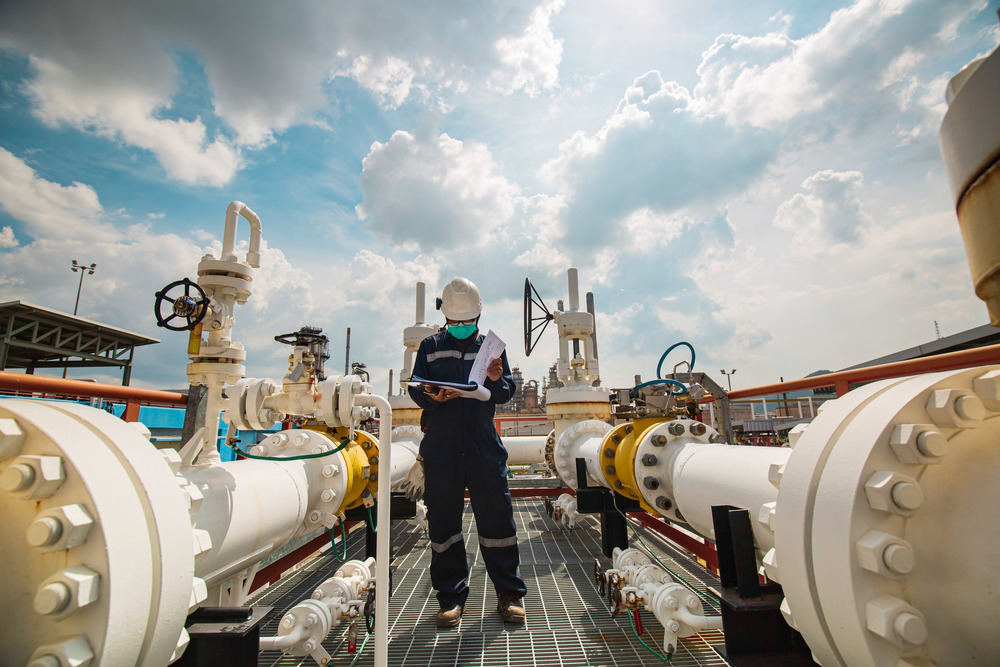

In today’s rapidly evolving technological landscape, smart building automation has become a critical innovation for managing modern infrastructures efficiently. These systems are designed to control and monitor a building’s essential operations—such as lighting, heating, ventilation, air conditioning, energy consumption, security, and access—through an integrated and automated platform. The goal is to reduce energy consumption, optimize system performance, and enhance the comfort and safety of occupants. As sustainability and efficiency become central to architectural design and facility management, smart building automation systems have emerged as indispensable tools.
Whether applied in commercial buildings, industrial facilities, or residential complexes, smart building solutions offer a future-ready approach to managing infrastructure. These technologies not only reduce operational costs but also support green initiatives by lowering environmental impact. The answer to what is smart building automation lies in its ability to bring together all technical components of a building into a centralized, intelligent ecosystem. This leads to improved control, better decision-making through data analytics, and seamless integration of everyday operations. In short, smart automation transforms buildings from static structures into responsive, efficient, and intelligent environments.
Smart building automation refers to the use of integrated technologies that control and monitor various systems within a building. These systems include lighting, HVAC (heating, ventilation, and air conditioning), security, access control, energy consumption, and more. With the help of sensors, software platforms, and IoT technologies, these components are managed automatically and intelligently, often through a centralized interface. The main objective is to enhance energy efficiency, user comfort, operational efficiency, and building sustainability. As a result, smart building automation systems offer both economic and environmental advantages for owners, managers, and occupants alike.
The concept of what is smart building automation goes beyond simple control. It encompasses adaptability, learning algorithms, and proactive optimization of resources. For example, systems can adjust lighting based on occupancy or temperature based on outdoor weather. Furthermore, smart building solutions offer remote access, allowing facility managers to monitor and control building functions in real time, from anywhere. This transformation of traditional buildings into intelligent environments is becoming increasingly crucial in modern urban planning and architecture.
Smart building automation systems are integrated networks that connect and control a building’s key operational components through intelligent software and hardware. These systems include heating, ventilation, air conditioning (HVAC), lighting, energy monitoring, security, and access control. Each component functions independently but communicates with the centralized platform to ensure coordinated and efficient performance. The systems rely on sensors, actuators, and advanced analytics to make real-time decisions based on data gathered from the building’s environment. This allows operations to adjust automatically without human intervention, minimizing energy waste and enhancing building functionality.
By implementing smart building automation, facility owners can reduce maintenance costs, prolong equipment life, and provide a safer, more comfortable space for occupants. These technologies are scalable and can be customized based on the specific needs of each building—be it a small office or a large industrial plant. Smart building solutions also support remote monitoring, giving users the flexibility to oversee operations from any device. Understanding what is smart building automation is essential to recognizing the immense value these systems bring in terms of operational excellence, sustainability, and digital transformation.
Energy management systems are a core part of smart building automation systems, designed to monitor, analyze, and optimize energy consumption throughout a building. These systems collect real-time data from meters and sensors to identify inefficiencies and implement corrective actions automatically. By reducing unnecessary energy usage, they help lower operational costs and carbon footprint while contributing to long-term sustainability goals. Integration with other systems ensures seamless building-wide performance.
Lighting control systems are an essential feature of smart building automation, allowing facilities to automatically adjust lighting based on occupancy, daylight levels, or predefined schedules. These systems help reduce energy waste and extend the life of lighting fixtures. In commercial spaces, they enhance comfort and visibility while supporting sustainability initiatives. Automated lighting also contributes to lower utility costs and improved operational efficiency.
HVAC automation plays a vital role in smart building automation systems, enabling buildings to maintain optimal temperature, humidity, and air quality. These systems use real-time data from sensors to adjust heating and cooling dynamically, improving comfort while minimizing energy consumption. Automated HVAC controls also detect faults early, reduce equipment wear, and ensure consistent performance across different zones of a building.
Security and camera system integration is a key component of smart building solutions, allowing all surveillance devices—such as IP cameras, motion detectors, and alarms—to be centrally managed. These systems enable real-time monitoring, recording, and alerts for suspicious activities. Integration with access control and emergency response systems enhances overall safety while simplifying security operations across the entire facility.
Access control and card access systems provide a secure and efficient way to manage who enters specific areas within a building. Integrated into smart building automation, these systems use technologies such as RFID cards, biometric scanners, and mobile credentials to authenticate users. They enhance security, allow for customizable permissions, and generate detailed logs for audits or incident investigations.
Water and waste management systems in smart building automation systems focus on optimizing resource usage and promoting environmental sustainability. These systems monitor water consumption, detect leaks, and automate irrigation based on weather data. For waste management, smart bins and sensors track fill levels and streamline collection schedules. Together, they reduce waste, lower costs, and support green building standards.
Smart building automation provides a wide range of benefits that enhance operational efficiency, reduce costs, and improve the overall user experience. One of the most significant advantages is energy savings. By automatically regulating lighting, HVAC systems, and other equipment based on real-time conditions, buildings consume less energy and operate more sustainably. In addition, these systems improve occupant comfort through intelligent climate control and personalized environmental settings. Maintenance is also more efficient, as issues can be identified and addressed before they become costly problems.
From a security perspective, smart building automation systems offer advanced monitoring, intrusion detection, and emergency response coordination. Real-time analytics and centralized control help managers make informed decisions quickly. Understanding what is smart building automation highlights how valuable these systems are in creating safer, smarter environments. Ultimately, smart building solutions support long-term savings, improved building performance, and a strong commitment to environmental responsibility—making them essential for modern infrastructure.
Smart building automation systems are used across a variety of sectors, from commercial and residential buildings to healthcare, education, and industrial facilities. In office complexes and shopping malls, these systems help optimize lighting, HVAC, and security operations to improve comfort and reduce costs. In hotels and residential buildings, smart automation enhances the guest experience with personalized settings, efficient energy use, and integrated room controls.
Hospitals, factories, and schools also benefit greatly from smart building automation. In healthcare environments, for example, these systems help maintain strict climate and air quality standards. Industrial plants use automation to manage energy consumption and ensure safety compliance. Understanding what is smart building automation is key to unlocking its full potential in these diverse environments. No matter the sector, smart building solutions bring efficiency, safety, and sustainability to the forefront of modern building management.
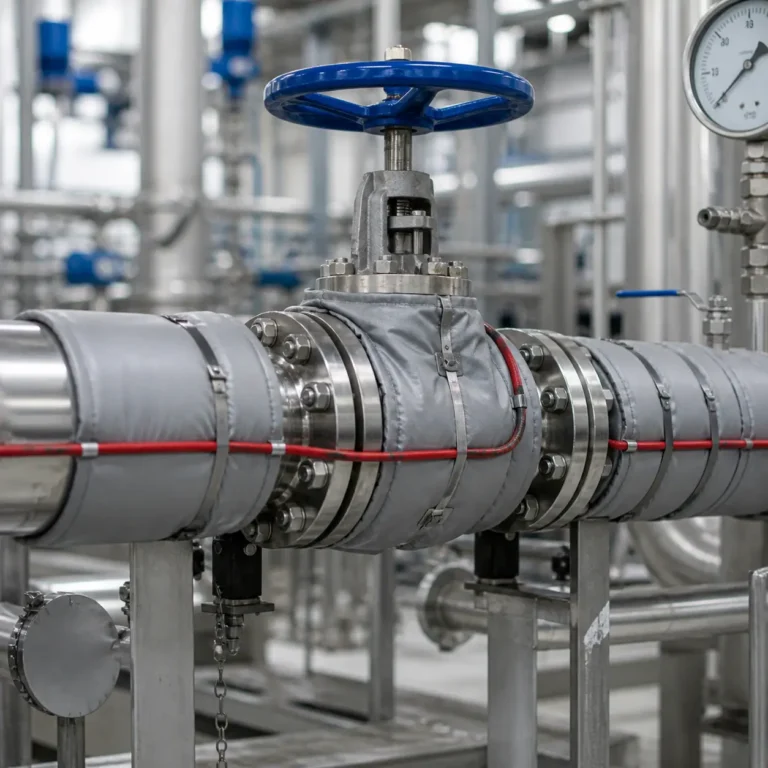
In industrial piping systems, ensuring process continuity depends not only on protecting straight pipeline sections but also on securing critical...
Devamını Oku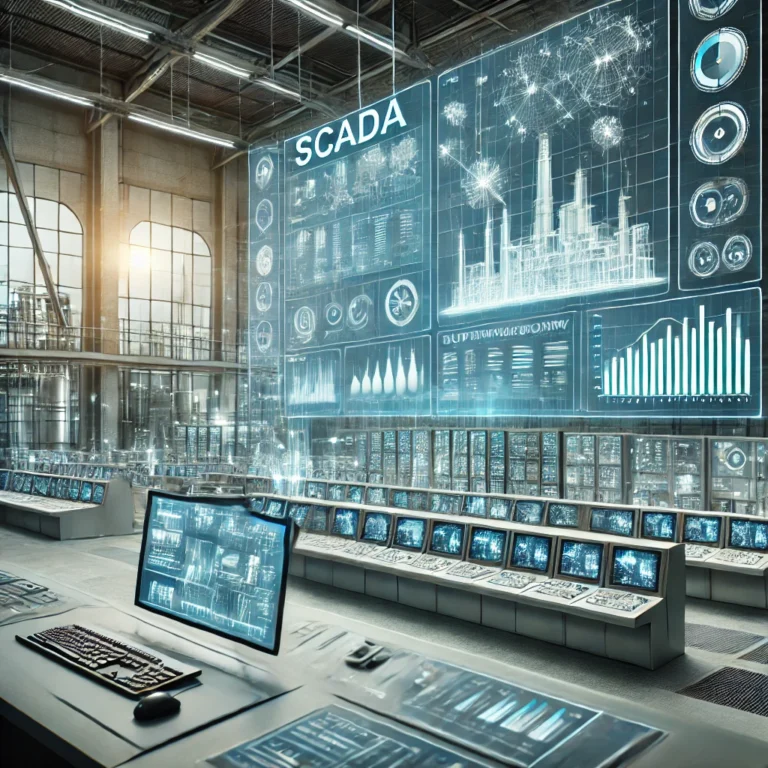
SCADA (Supervisory Control and Data Acquisition) is a comprehensive system designed to monitor, control, and manage industrial processes in real...
Devamını Oku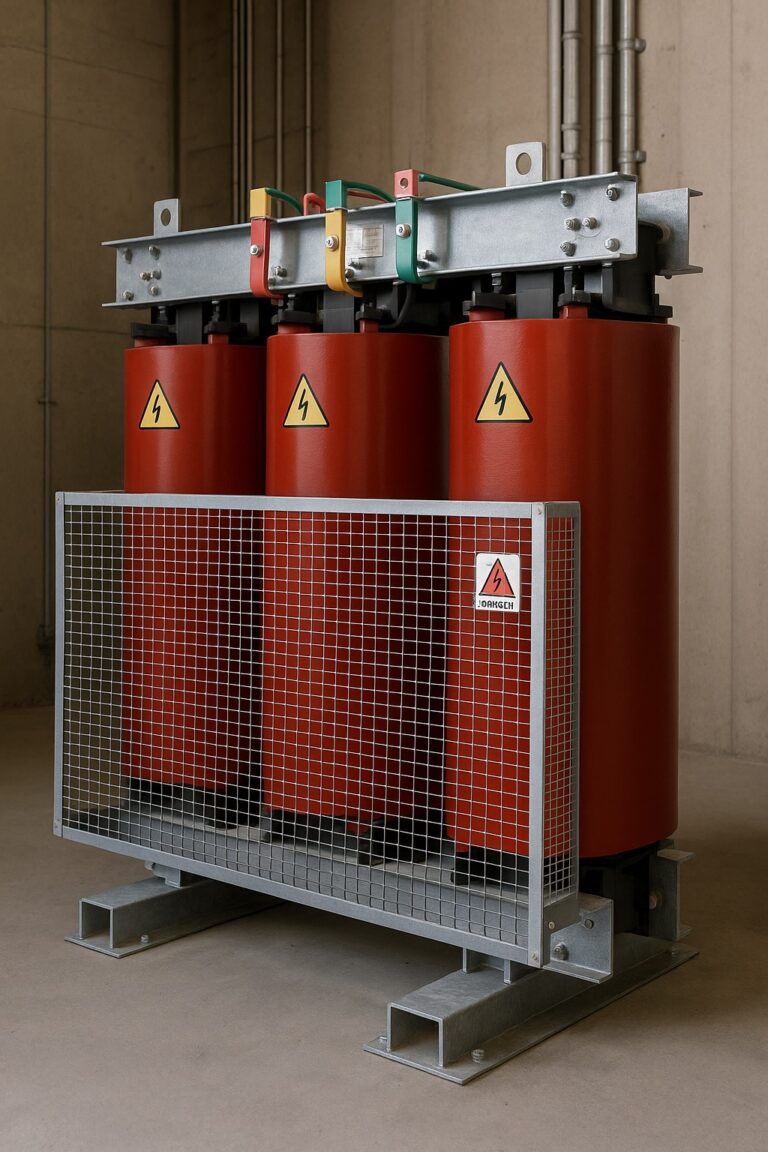
A dry-type transformer is a type of electrical transformer that operates without the use of liquid insulation, making it a...
Devamını Oku